 France
 Who is Charles De Gaulle?
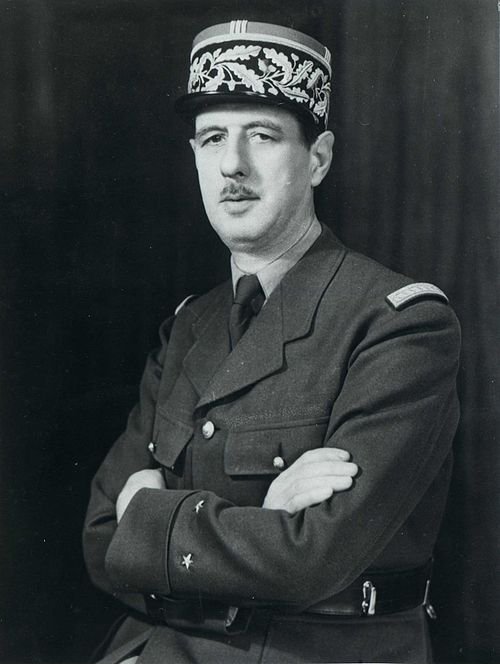
Charles André Joseph Marie de Gaulle (November 22, 1890 – November 9, 1970), one of the most influential figures in twentieth-century French history, was a general and statesman who played a crucial role in liberating France during World War II and later served as President of the Fifth Republic.
De Gaulle was born into an upper-middle-class family in Lille. His father, Henri de Gaulle, was a professor of literature with strong Catholic and royalist views that influenced young Charles’s early development. After graduating from Saint-Cyr military academy, De Gaulle served as a junior officer during World War I on the Western Front, where he distinguished himself for his bravery.
De Gaulle’s rise to prominence began when he published The Army of the Future, advocating for mechanized warfare and drawing attention to the importance of tanks. This earned him the notice of French military leaders but also led to conflicts with more traditionalist officers. His career took a significant turn during World War II, where he emerged as a key figure in the Free French movement after the fall of France.
Following the war, De Gaulle returned to politics and became Prime Minister before resigning due to disagreements over his policies for rebuilding the nation. In 1958, amidst the Algerian crisis, he was called upon once more to restore order and establish a new constitution that would become the Fifth Republic. He served as President until 1969 but maintained significant influence in French politics.
On a personal note, De Gaulle married Yvonne Vendroux in 1921; together they had three children: Anne, Élisabeth, and Philippe. Despite his public prominence, he was known for maintaining privacy within his family life. His legacy is cemented by his role in shaping post-war France’s political and military landscape.
De Gaulle died on November 9, 1970, of an aneurysm at age 79, leaving behind a complex and enduring legacy that continues to influence French politics today.
Common Questions
What was Charles De Gaulle's early military career like?
De Gaulle graduated from the École Spéciale Militaire de Saint-Cyr in 1912 and served as a junior officer during World War I, where he gained recognition for his bravery.
How did Charles De Gaulle become involved with the Free French movement?
After France’s surrender to Nazi Germany in 1940, De Gaulle made a famous radio broadcast calling for resistance against the occupation and became the leader of the Free French Forces.
What were some key political achievements during Charles De Gaulle's presidency?
De Gaulle was instrumental in drafting the constitution of the Fifth Republic and served as President from 1958 to 1969, overseeing significant reforms and maintaining France’s independence on the world stage.
Did Charles De Gaulle have any children?
Yes, De Gaulle had three children: Anne, Élisabeth, and Philippe. They were born during his marriage to Yvonne de Gaulle from 1921 until her death in 1970.
What was the significance of Charles De Gaulle's role in World War II?
De Gaulle played a vital role in leading the Free French movement against Nazi occupation, which helped to liberate France and establish his prominence in post-war politics.