 Cuba
Cuba Who is Fidel Castro?
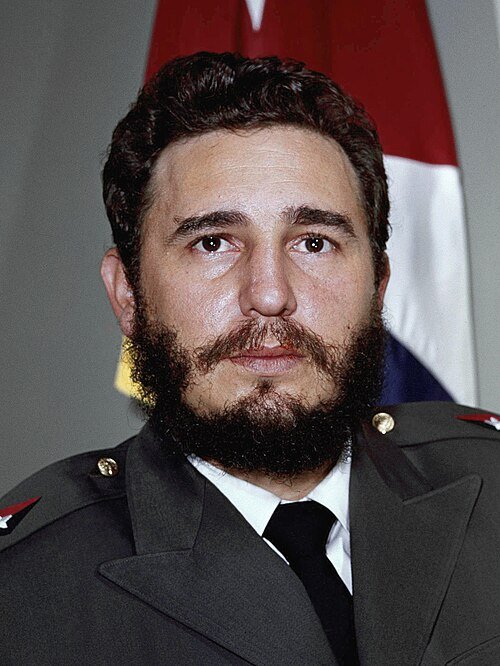
Fidel Alejandro Castro Ruz, born on August 13, 1926, and died on November 25, 2016, was a towering figure in Latin American politics, known for leading the Cuban Revolution that overthrew the Batista regime and establishing a communist government in Cuba. His life story is one of political upheaval, ideological commitment, and international controversy.
Castro was born into a family of modest means on his father’s sugar plantation near Birán, Cuba. Despite financial challenges, he excelled academically and graduated from the University of Havana with degrees in law and diplomacy. His formative years were marked by political activism and a growing disdain for the oppressive regime under Fulgencio Batista.
Castro’s journey to prominence began in earnest when he joined the 26th of July Movement, which aimed to overthrow Batista through armed struggle. After several failed attempts, Castro led an assault on the Moncada Barracks in 1953, a move that landed him in prison but also garnered national attention and sympathy for his cause.
Released from jail in 1955, he fled to Mexico where he met Che Guevara and other revolutionaries. In December of that year, they returned to Cuba with the intention of liberating their homeland. Over the next two years, Castro’s guerrilla forces gained ground against Batista’s regime until his final defeat and exile in January 1959.
Following the revolution, Castro became Prime Minister and later President of Cuba, implementing socialist reforms that nationalized industries and aligned the country closely with the Soviet Union. His tenure was marked by significant achievements such as universal healthcare and education but also faced criticism for curtailing political freedoms and human rights.
Castro’s personal life was equally complex. He married Mirta Díaz-Balart, with whom he had one child, Fidel Ángel Castro Díaz-Balart, before divorcing in 1955. Later, he married Dalia Soto del Valle, and together they had five children: Alina Fernández, Jorge Ángel Castro, Fransiska Pupo, Alex Castro-Soto, Alexis Castro-Soto, Alejandro Castro-Soto, and Ángel Castro-Soto.
Fidel Castro’s legacy is a subject of intense debate. Admired by many for his socialist ideals and opposition to U.S. imperialism, he was also criticized for human rights abuses and economic policies that led to widespread emigration from Cuba. His death in 2016 marked the end of an era, leaving behind a country deeply entrenched in the ideology and governance style he established.
Common Questions
What were some key events during Fidel Castro's early life?
Castro was born on August 13, 1926, to a wealthy farmer. He graduated from the University of Havana with degrees in law and diplomacy in 1950.
How did Fidel Castro become involved in politics?
After graduating, Castro became politically active, joining movements against Fulgencio Batista's regime. In 1953, he led an assault on the Moncada Barracks which failed but made him a national figure.
What were some of Fidel Castro’s major accomplishments?
Castro overthrew the Batista government in 1959 and established a communist state that focused on socialist reforms, including universal healthcare and education.
How many children did Fidel Castro have?
Fidel Castro had nine children from two marriages: one child with Mirta Díaz-Balart and eight with his second wife, Dalia Soto del Valle.