 India
India Who is Jawaharlal Nehru?
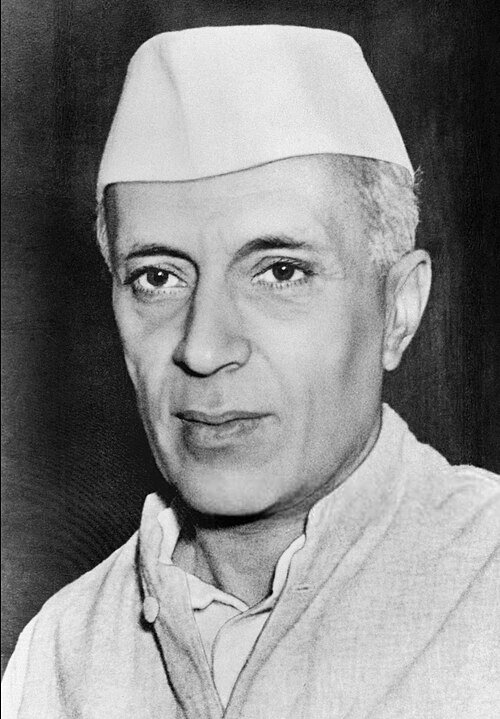
India’s first Prime Minister, Jawaharlal Nehru (November 14, 1889 – May 27, 1964), was a towering figure who shaped the nation’s post-independence destiny. Born into an affluent Kashmiri Pandit family in Allahabad, Nehru’s early years were marked by privilege and intellectual curiosity.
Nehru’s father, Motilal Nehru, was a prominent lawyer and political leader in the Indian nationalist movement. Jawaharlal’s education began at Harrow School in London before he continued his studies in England at Trinity College, Cambridge. Upon returning to India, he became a barrister from City Law School.
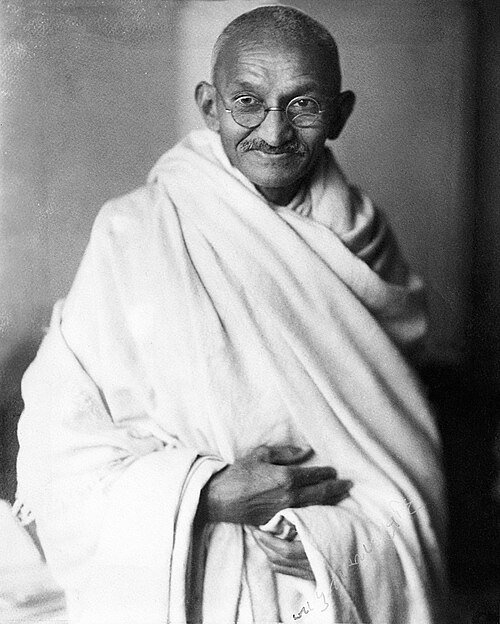
As Nehru entered adulthood, his life took an ideological turn when he joined the Indian National Congress and immersed himself in political activism against British rule. He was imprisoned several times for participating in protests and civil disobedience campaigns, including the Salt March led by Mahatma Gandhi.
Nehru’s rise to prominence within the Indian National Congress was rapid. His role as a negotiator with Lord Mountbatten during India’s partition and independence in 1947 cemented his status as a key figure in shaping the nation’s future. He served as India’s first Prime Minister from 1947 until his death in 1964, navigating challenges such as communal violence, economic reconstruction, and international diplomacy.
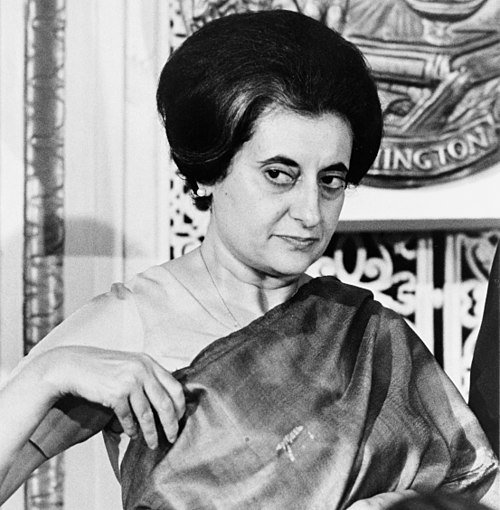
Married to Kamala Nehru, Jawaharlal had one daughter, Indira Gandhi, who would follow in her father’s footsteps by becoming India’s Prime Minister. His political ideology was deeply rooted in secularism, democracy, and socialism, which he sought to implement through various policies during his tenure.
In 1950, Nehru was nominated for the Nobel Peace Prize for his work towards world peace and international cooperation. Despite facing significant opposition at times, especially from conservative factions within India’s political spectrum, Nehru remained steadfast in his commitment to a pluralistic and democratic India.
On May 27, 1964, Jawaharlal Nehru passed away due to myocardial infarction, leaving behind a legacy of profound influence on Indian politics and society. His vision for an independent, secular, and modernizing India continues to resonate in the nation’s ongoing struggle for development and unity.
Common Questions
What was Jawaharlal Nehru's educational background?
Jawaharlal Nehru received his early education at Harrow School in London. He later attended Trinity College, Cambridge, where he studied natural sciences before becoming a barrister from City Law School.
How did Jawaharlal Nehru contribute to India's independence movement?
Nehru joined the Indian National Congress and actively participated in protests against British rule. He was imprisoned multiple times for his involvement in civil disobedience campaigns, including the Salt March led by Mahatma Gandhi.
What were some of Jawaharlal Nehru's key achievements as India's first Prime Minister?
Nehru served as India’s first Prime Minister from 1947 to 1964. He was instrumental in negotiating India's partition and independence, and his tenure saw efforts towards economic reconstruction and social reforms.
Who were Jawaharlal Nehru's family members?
Jawaharlal Nehru married Kamala Nehru and had a daughter named Indira Gandhi, who later became Prime Minister of India. His siblings include Krishna Hutheesing and Vijaya Lakshmi Pandit, both prominent figures in Indian politics.
What is Jawaharlal Nehru's legacy?
Nehru's vision for an independent, secular, and modernizing India has left a lasting impact. His commitment to democracy and socialism influenced various policies during his tenure as Prime Minister.