 India
India Who is Narendra Modi?
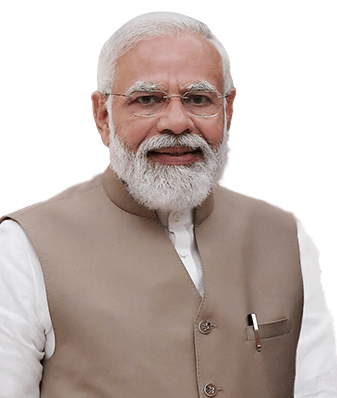
Narendra Damodardas Modi, known affectionately as ‘Modi Ji’ and by numerous other aliases, is a towering figure in contemporary Indian politics. A charismatic leader with an indelible impact on the nation’s socio-economic landscape, he has redefined political engagement through digital platforms and mass mobilization.
Born on September 17, 1950, in Vadnagar, Gujarat, Narendra Modi was raised in a humble family deeply rooted in Hindu traditions. His father Damodardas Mulchand Modi ran a tea stall where young Narendra worked during his formative years. This early exposure to the intricacies of running a business and interacting with people laid the foundation for his future leadership.
Modi’s political career began in earnest when he joined the Rashtriya Swayamsevak Sangh (RSS) as a teenager. His dedication and strategic acumen quickly propelled him through the ranks, eventually leading to his election as General Secretary of the Bharatiya Janata Party (BJP). In 2001, Modi was appointed Chief Minister of Gujarat, where he introduced several innovative policies aimed at economic development and infrastructure improvement.
His tenure in Gujarat saw significant reforms that catapulted him into national politics. His leadership during the 2002 riots and subsequent efforts to rebuild communal harmony earned him both praise and criticism. In 2014, Modi’s campaign slogan ‘Sabka Saath, Sabka Vikas’ (Together with all, Development for all) resonated widely, leading him to a historic victory as Prime Minister of India.
Modi’s personal life is marked by simplicity and adherence to his cultural roots. Married to Jashodaben Narendrabhai Modi since 1968, the couple has no children. His relationship with his wife is often highlighted in biographical accounts for its traditional values and mutual respect.
The legacy of Narendra Modi is characterized by ambitious projects like the ‘Make in India’ initiative aimed at boosting manufacturing and infrastructure development. Under his leadership, India’s economic growth has been robust, though challenges such as poverty reduction and rural development continue to be major focuses. His global diplomacy efforts have also brought India into the forefront of international politics.
As Modi continues to shape the future of a rapidly modernizing yet culturally rich nation, his influence on Indian society and governance is undeniable, making him one of the most significant leaders in the world today.
Common Questions
What is Narendra Modi's early political career?
Modi joined the Rashtriya Swayamsevak Sangh (RSS) as a teenager and quickly rose through the ranks. He became General Secretary of the Bharatiya Janata Party (BJP).
When did Narendra Modi become Chief Minister of Gujarat?
Narendra Modi was appointed Chief Minister of Gujarat in 2001.
What were some major achievements during Modi's tenure as Prime Minister?
Under Modi, India launched the 'Make in India' initiative to boost manufacturing and infrastructure. His government also introduced measures like demonetization and digital payments.
How did Narendra Modi become Prime Minister of India?
Modi won a decisive victory in the 2014 general election with his slogan 'Sabka Saath, Sabka Vikas' (Together with all, Development for all).
What is the significance of Narendra Modi's personal life?
Modi's marriage to Jashodaben Narendrabhai Modi since 1968 reflects traditional values and mutual respect. The couple has no children.
How did Narendra Modi's leadership during the 2002 riots affect his career?
His handling of the 2002 Gujarat riots was controversial but also marked a turning point in his political trajectory, leading to national prominence.