 United Kingdom
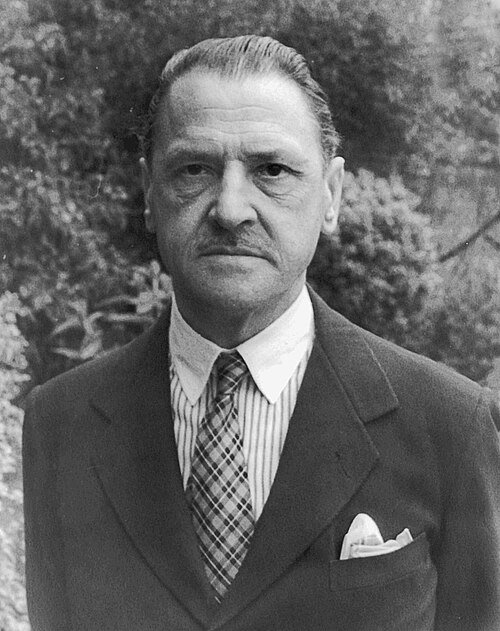
 Who is William Somerset Maugham?
W. Somerset Maugham is one of the most acclaimed English writers of the twentieth century. His prolific output spanned novels, short stories, plays, essays, and screenplays, earning him numerous accolades including multiple nominations for the Nobel Prize in Literature.
Maugham was born on January 25, 1874, in Paris, France, to Robert Ormond Maugham and Edith Mary Snell. His early life was marked by tragedy; his parents died when he was young, leaving him orphaned at age ten. He was sent to live with his uncle in England, which shaped much of his formative years. Maugham’s education included studies at King’s College London and Heidelberg University, followed by medical training at St Thomas’ Hospital Medical School.
After briefly practicing medicine, Maugham turned to writing. His debut novel, Liza of Lambeth, was published in 1897, but it was the short story collection Rain (1921) and his play <emOf Human Bondage (1915), which he later adapted into a novel of the same name, that catapulted him to international fame. His novels and stories often explored themes of human nature, morality, and sexuality with unflinching honesty.
Maugham married Syrie Wellcome in 1914; they had one daughter, Mary Elizabeth Maugham. The marriage ended in divorce after about a decade. Throughout his life, Maugham was known to be discreetly homosexual, which influenced both his personal relationships and some of the themes in his work.
W. Somerset Maugham’s career continued well into old age. In 1965, he passed away at his home in Nice, France, from complications related to pneumonia, leaving behind a vast literary legacy that continues to be celebrated today for its sharp wit and profound insight into human character.
Common Questions
What was Somerset Maugham's early life like?
W. Somerset Maugham had a difficult childhood after losing both parents at age ten in Paris, France, leading to his upbringing by an uncle in England.
When did W. Somerset Maugham become famous?
Maugham gained fame with the publication of Of Human Bondage, originally a play (1915) and later as a novel (1919), which brought him international acclaim.
Did Somerset Maugham win any awards for his work?
While W. Somerset Maugham was nominated multiple times for the Nobel Prize in Literature, he never won it.
Who were some of Somerset Maugham's siblings and family members?
He had a brother named Henry Neville Maugham and divorced his wife Syrie Wellcome after about ten years of marriage, raising their daughter Mary Elizabeth Maugham alone.
What themes did W. Somerset Maugham explore in his work?
Maugham often delved into the complexities of human nature, morality, and sexuality in his writings, reflecting his personal experiences and observations.