-
01
At age 74, he became the oldest winner of the Best Director Oscar for Million Dollar Baby 2004.
-
02
When directing, he says okay instead of action and cut.
-
03
He insists actors wear little makeup and prefers to print first takes, keeping films on schedule and budget.
-
04
He learned mountain climbing for The Eiger Sanction 1975 and performed dangerous rope scenes himself.
-
05
He wore the same unwashed sarape in all three Man with No Name westerns.
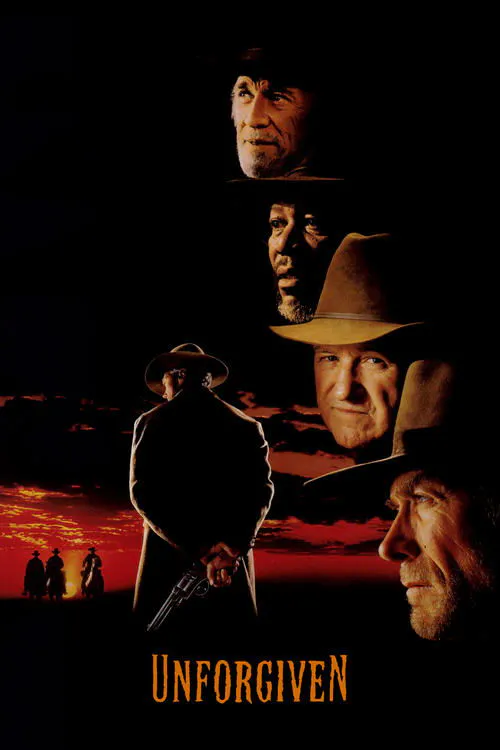
-
06
As a director, he has never test-screened his films before release.
-
07
Though he often smokes on screen, he is a lifelong non-smoker off-screen.
-
08
His production company Malpaso was named after the Italian advice that taking the role in A Fistful of Dollars would be a mal paso bad move.
-
09
He allowed his name to be used for Marty McFly’s alter ego in Back to the Future Part III.
-
10
He turned down the role of James Bond in Live and Let Die 1973, saying Bond should be played by an English actor.
-
11
He claimed racism was the trait he most despised.
-
12
An accomplished jazz pianist, he performs music for his films, including the bar scene in In the Line of Fire 1993.
-
13
He joked that a sixth Dirty Harry movie would show Harry fly-fishing with his .44 Magnum.
-
14
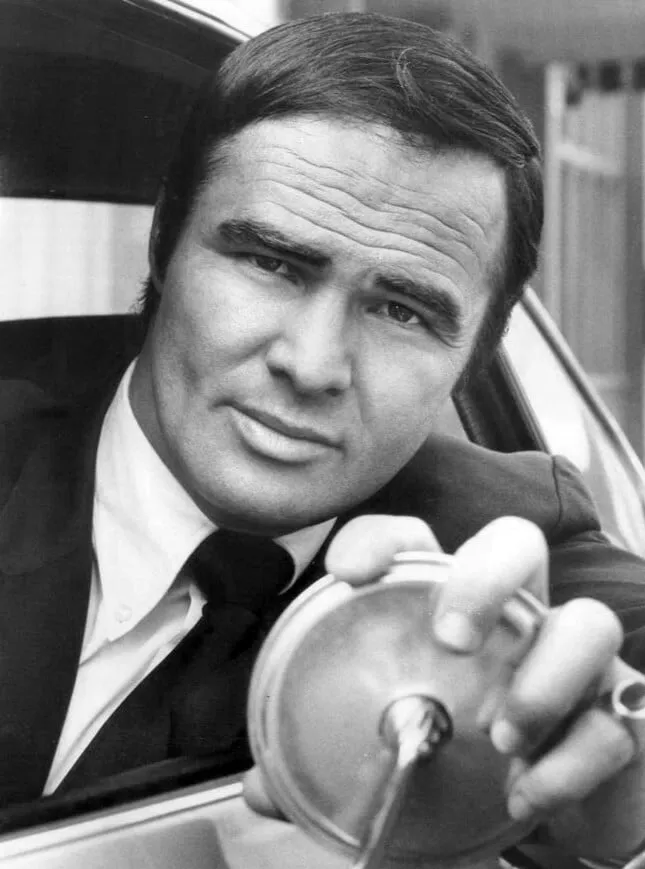
He and Burt Reynolds influenced each other’s careers; Eastwood sent Reynolds Sharky’s Machine, and Reynolds sent him The Outlaw Josey Wales.
-
15
Though associated with violence, he personally detests it and showed its consequences in Unforgiven and Million Dollar Baby.
-
16
He developed his movie voice by listening to audio recordings of Marilyn Monroe.
-
17
He once stood 6’4 but due to back problems can only reach 6’2.
-
18
He is 35 years older than ex-wife Dina Eastwood, making him older than her parents.
-
19
He turned down the role in Any Given Sunday because Warner Bros. wouldn’t let him direct.
-
20
He has always maintained his films are apolitical, focused on entertainment.
-
21
William Goldman said Eastwood was the only star in the 1970s, 1980s, and 1990s.
-
22
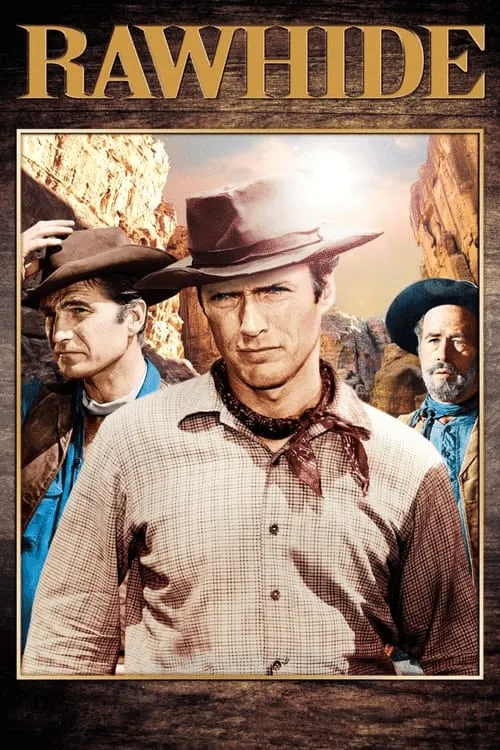
The boots he wore in Unforgiven 1992 were the same from Rawhide 1959 and are now in his private collection.
-
23
He directed 12 actors to Oscar-nominated performances, including Sean Penn and Hilary Swank who won.
-
24
He got his role in Rawhide when a CBS exec spotted him while visiting a friend.
-
25
He served as a lifeguard and projectionist in the U.S. Army at Fort Ord from 1951 to 1953.
-
26
He was sworn in as a California state parks commissioner in 2002.
-
27
He turned down Paul Newman’s role in The Towering Inferno 1974.
-
28
He is one of only six actor-directors to win the Best Director Oscar.
-
29
He declined a party for his 80th birthday, saying he only planned to go out for a drink with his wife.
-
30
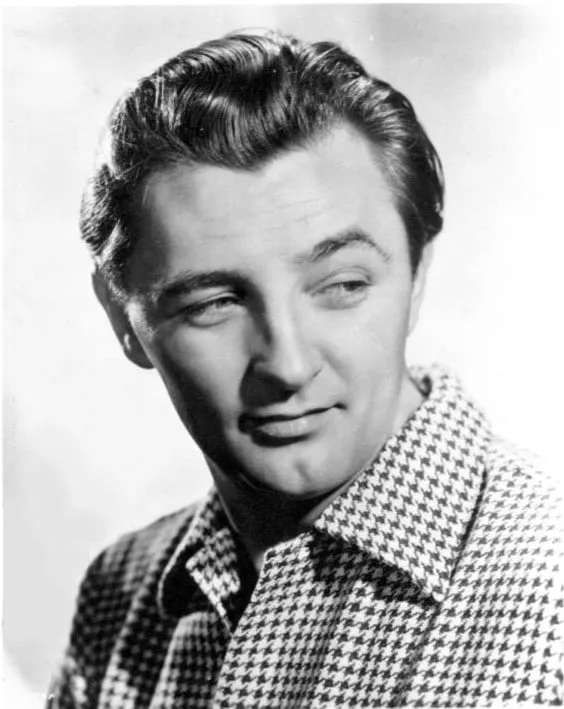
His favorite actors include Gary Cooper, Humphrey Bogart, Robert Mitchum, and James Stewart.
-
31
He walked out of an interview when asked about his children.
-
32
He accepted the role in A Fistful of Dollars for $15,000 after James Coburn asked for $25,000.
-
33
He objected to the end of Dirty Harry when Harry throws his badge away, arguing it was out of character.
-
34
He claims he was an early choice for the title role in Superman 1978.
-
35
He stepped in as director during the jumper sequence in Dirty Harry when Don Siegel fell ill.
-
36
He worked as a logger, steel furnace stoker, and gas station attendant before acting.
-
37
As Cannes jury president in 1994, his favorite film was To Live, not Pulp Fiction which won.
-
38
He is left-eye dominant but right-handed, evident when shooting rifles.
-
39
He is allergic to horses and used medication to ride them in westerns.
-
40
Three of his films are in the National Film Registry: Dirty Harry, The Outlaw Josey Wales, and Unforgiven.
-
41
He participated in the Pebble Beach golf tournament annually from 1962 to 2002 and now hosts.
-
42
He was considered for the role of Rambo in First Blood before Stallone.
-
43
He once owned a bluegum eucalyptus tree believed to be the largest hardwood in the U.S.
-
44
He finished directing Absolute Power 1997 days ahead of schedule.
-
45
He has practiced transcendental meditation twice a day for over 40 years.
-
46
His eight children include Laurie Murray born 1954, Kimber 1964, Kyle 1968, Alison 1972, Scott 1986, Kathryn 1988, Francesca 1993, and Morgan 1996.