 China
China Who is Lu Xun?
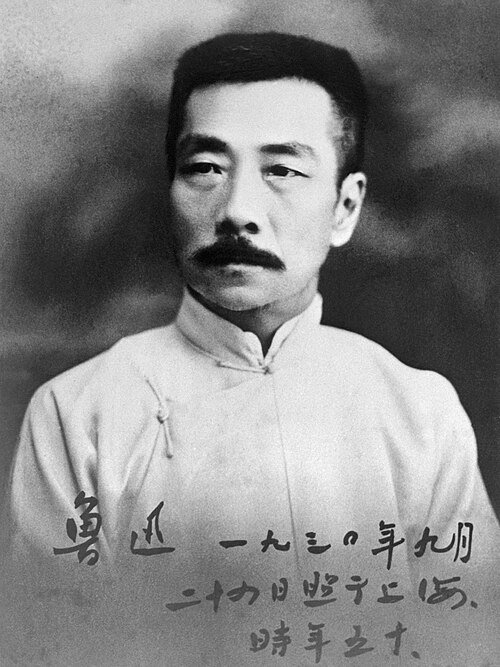
Lu Xun (Zhou Shuren, pen name), born on September 25, 1881, in Shaoxing, Zhejiang Province, China, was a seminal writer and thinker whose works continue to influence Chinese literature and culture. Despite facing numerous political challenges during his lifetime, he managed to leave an indelible mark through his writings that remain relevant today.
Lu Xun’s early life was marked by significant family struggles. His father, Zhou Boyi, a scholar who fell into hardship due to illness and financial difficulties, deeply affected Lu Xun’s worldview. He moved to Japan in 1902 for further education at the Sendai Medical College, but later shifted his focus from medicine to literature after witnessing social injustices that fueled his political consciousness.
Returning to China in 1906, Lu Xun embarked on a career as a translator and writer. He published his first notable work, A Madman’s Diary, in 1918, which is considered one of the earliest modern Chinese novels. This piece marked the beginning of his prolific literary output and his transition from being primarily a translator to an influential essayist, novelist, and social critic.
Lu Xun’s personal life was characterized by resilience and intellectual engagement. He married Zhu An, but after her death in 1923, he remained close to another woman, the writer Xu Guangping. While they never officially married, she became his lifelong partner, supporting him through tuberculosis until his passing on October 19, 1936.
Throughout his career, Lu Xun was a vocal critic of social and political issues in China. His writings not only addressed the need for cultural reform but also critiqued the oppressive nature of Chinese society under various regimes. Despite these challenges, he received international recognition when nominated for the Nobel Prize in Literature in 1927.
Lu Xun’s legacy is profound and enduring. He continues to be celebrated as a pioneer of modern Chinese literature, influencing generations through his essays, novels, and short stories that explore themes of social injustice and cultural renewal. His work remains essential reading for understanding the complexities of early 20th-century China.
Common Questions
What was Lu Xun's original name?
Lu Xun's original name was Zhou Shuren, which he used before adopting his pen name Lu Xun.
When did Lu Xun move to Japan?
Lu Xun moved to Japan in 1902 at the age of 21 to study medicine.
What is one of Lu Xun's most famous works?
A Madman's Diary was published in 1918 and is considered a cornerstone of modern Chinese literature.
Did Lu Xun win the Nobel Prize for Literature?
Lu Xun was nominated for the Nobel Prize in Literature in 1927, but he did not receive it.
Who were some significant people in Lu Xun's life?
Zhu An and Xu Guangping were two significant women in Lu Xun’s life; Zhu An was his first wife, while Xu Guangping became his lifelong partner.