United States Who is Margaret Mead?
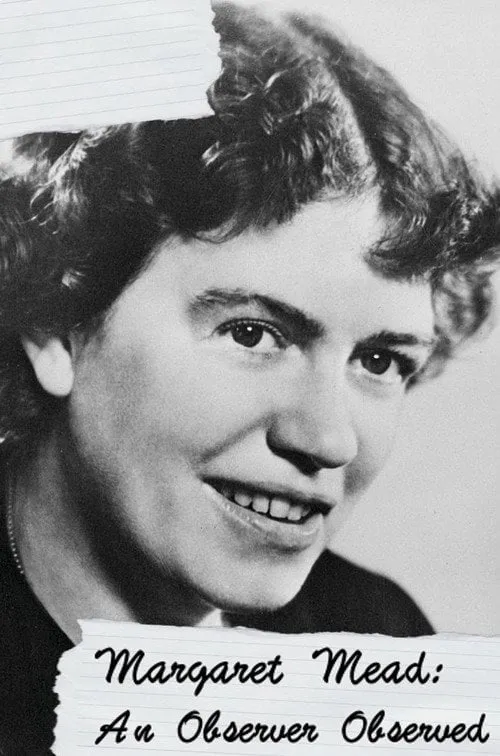
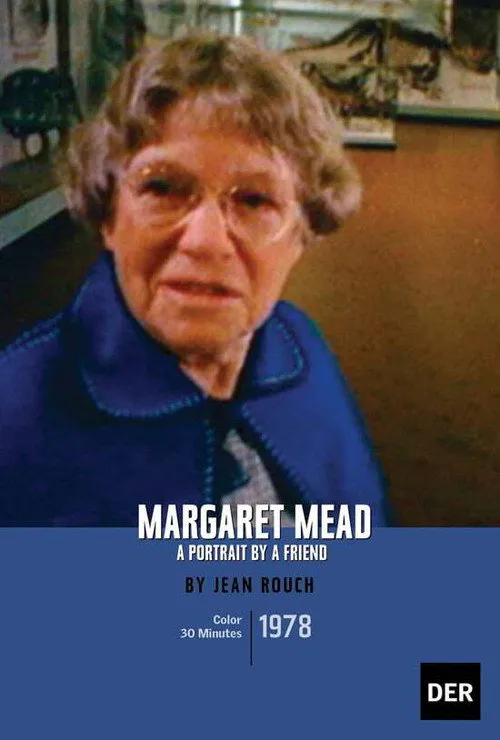
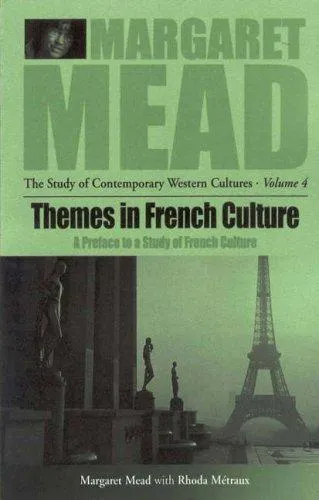
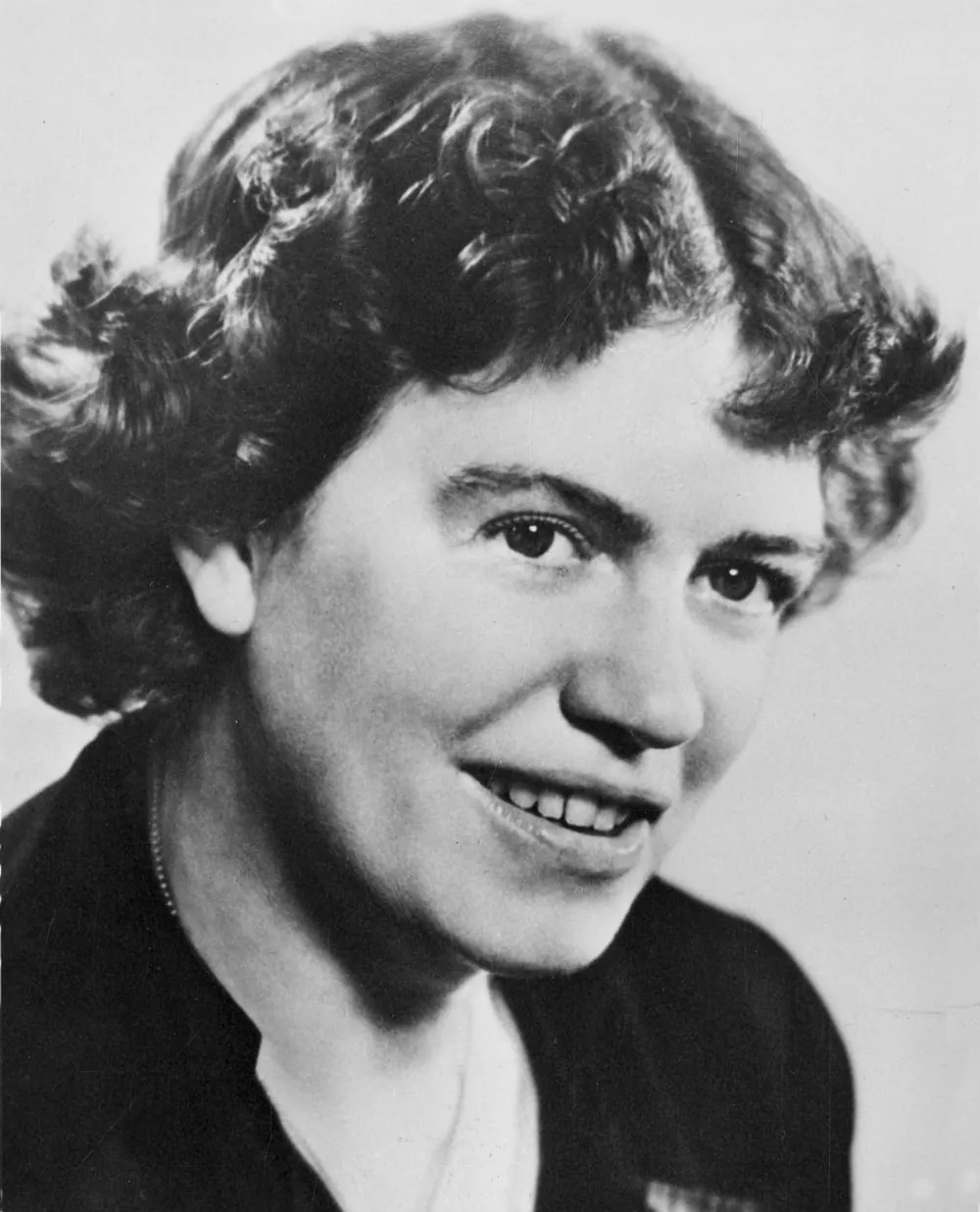
Margaret Mead (December 16, 1901 – November 15, 1978) was a trailblazing American anthropologist whose work on human culture and society revolutionized the field of social science. Born in Philadelphia to educators Edward Sherwood Mead and Emily Fogg, she grew up with a deep appreciation for intellectual pursuits and an early curiosity about the nature of human behavior.
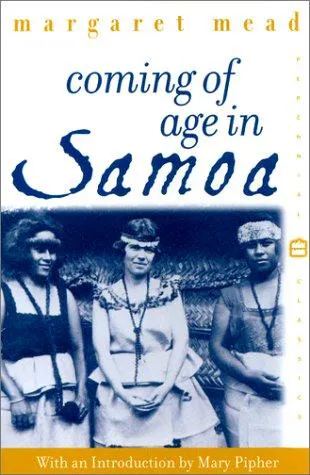
Mead’s education at Barnard College, Columbia University, and Depauw University laid the foundation for her groundbreaking research career. Her first major fieldwork in Samoa at the age of 23 brought international attention to her work with the publication of Coming of Age in Samoa. This book challenged conventional Western ideas about adolescence and sexuality by contrasting them with Samoan culture.
In subsequent decades, Mead continued to expand her research geographically and intellectually. She conducted extensive studies on New Guinea tribes and contributed significantly to the understanding of gender roles across cultures. Her work not only highlighted cultural diversity but also emphasized the adaptability and resilience of human societies in response to environmental and societal changes.

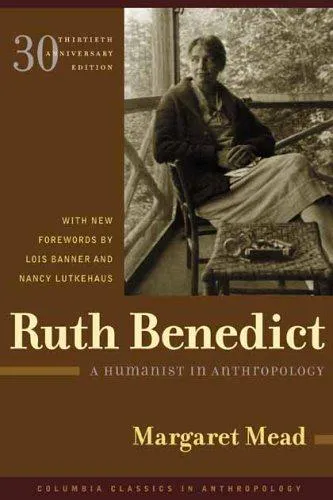
Throughout her career, Mead’s personal life was as dynamic as her professional achievements. She married three times—Reo Fortune, Luther Cressman, and Gregory Bateson—and had a significant relationship with fellow anthropologist Ruth Benedict. Her daughter Mary Catherine Bateson became an influential figure in the field of anthropology herself.
Mead passed away on November 15, 1978, from pancreatic cancer. Her legacy endures as one of the most prominent figures in social science and a pioneering voice for women’s rights and cultural awareness. Today, her work continues to influence academic research and public discourse about human behavior and societal norms.