 France
 Who is Marquis De Sade?
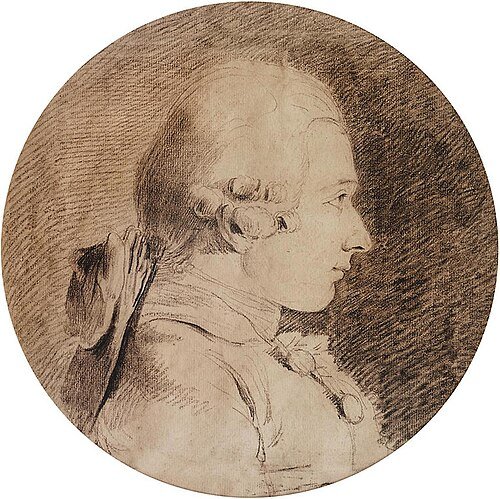
Donatien Alphonse François De Sade, better known by his title the Marquis de Sade (June 2, 1740 – December 2, 1814), was a French writer and philosopher whose work challenged societal norms and explored themes of power and sexual liberation. His influence on literature remains significant to this day.
De Sade was born into the aristocratic Sade family in Paris. His father, Jean-Baptiste-François-Joseph De Sade, served as a military officer while his mother, Marie Eleonore de Maillé des Étagnes, came from an old noble family. At the Lycée Louis-le-Grand, young Donatien received a classical education, which laid the foundation for his later intellectual pursuits.
His rise to prominence was marked by scandal and controversy rather than conventional success. In 1763, De Sade married Renée-Pélagie de Montreuil, with whom he had three children: Armand, Louis-Marie, and Madeleine Laure. Throughout his life, he engaged in numerous affairs and scandals that led to multiple imprisonments, most notably at the Bastille and later at the fortress of Vincennes.
De Sade’s literary career was characterized by bold experimentation with form and content. He is best known for works such as The 120 Days of Sodom, published in secret during his incarceration, and Juliette. These texts pushed the boundaries of acceptable literature with their explicit sexual content and radical political ideas.
In addition to his writings, De Sade was also involved in philosophical debates that questioned traditional morality. He spent the last years of his life under house arrest in a mental asylum where he continued to write until his death at 74.
Common Questions
What is Marquis de Sade's birth and death date?
Marquis de Sade was born on June 2, 1740, in Paris, France, and died on December 2, 1814.
Where did De Sade receive his education?
De Sade studied at the Lycée Louis-le-Grand in Paris.
What were some of Marquis de Sade's most famous works?
Some of his most notable works include The 120 Days of Sodom and Juliette, both known for their controversial content.
How many children did De Sade have?
De Sade had three children with Renée-Pélagie de Montreuil: Armand, Louis-Marie, and Madeleine Laure.
What was the cause of Marquis de Sade's death?
Marquis de Sade died on December 2, 1814, in an asylum near Paris from infectious diseases.
How did De Sade influence literature?
De Sade influenced literature by challenging societal norms through his exploration of taboo subjects and the questioning of traditional morality.