 France
 Who is Napoleon?
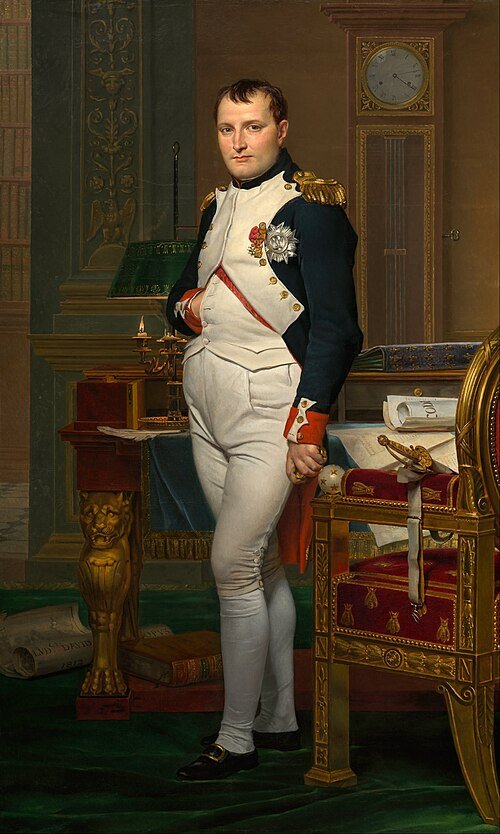
Napoleon Bonaparte (born Napulione Buonaparte on August 15, 1769; died May 5, 1821) was one of the most influential figures in modern history. A military and political strategist of unparalleled skill, his rise to power marked a transformative period for France and Europe.
Born into a minor noble family on the island of Corsica, Napoleon faced early challenges that would shape his character. His father, Carlo Bonaparte, sent him to mainland France for education at age nine, where he attended military school in Brienne-le-Château and later joined the École Militaire in Paris. The formative years spent away from home instilled in him a sense of ambition and a deep appreciation for French culture.
Napoleon’s rise to prominence was swift and spectacular. After distinguishing himself as an artillery officer during the French Revolution, he played a key role in several military victories that consolidated his reputation as a brilliant tactician. In 1799, at age 29, Napoleon seized control of France in a coup d’état and became First Consul of the Republic. Within ten years, he had crowned himself Emperor of the French in 1804.
His personal life was as tumultuous as his political career. In 1796, Napoleon married Joséphine de Beauharnais, who had two children from a previous marriage but none with him. Despite their eventual separation due to pressure to produce an heir for the throne, Napoleon remained deeply attached to Joséphine until he dissolved their marriage in 1810. Later that year, he wed Marie Louise of Austria, and they had one son together.
The legacy of Napoleon is profound and enduring. His military campaigns reshaped Europe’s political landscape, while his legal reforms, particularly the Napoleonic Code, continue to influence civil law systems worldwide. Despite his grand ambitions and numerous victories, Napoleon’s empire eventually crumbled under the weight of international coalitions and internal dissent.
Napoleon Bonaparte died in exile on May 5, 1821, at age 51, succumbing to stomach cancer. His death marked the end of an era that had seen dramatic transformations in European society and governance. Napoleon’s influence continues to be felt today through his enduring impact on military strategy, legal codes, and national identity.
Common Questions
What was Napoleon Bonaparte's background?
Napoleon was born into a minor noble family in Corsica. His father sent him to mainland France for education at age nine.
How did Napoleon rise to power?
He rose through the ranks of the military during the French Revolution and orchestrated a coup d'état in 1799, becoming First Consul and later Emperor of the French in 1804.
What were some of Napoleon's key achievements?
Napoleon was renowned for his military campaigns that reshaped Europe. He also implemented the Napoleonic Code, a legal system still influential today.
Who were Napoleon's wives and children?
Napoleon married Joséphine de Beauharnais in 1796 but divorced her in 1810 to marry Marie Louise of Austria. He had one son with Marie Louise.