Paul Claudel Profile & Biography

Paul Claudel

Born: August 6, 1868
Died: February 23, 1955
French writer Paul Claudel (1868-1955) was a prolific diplomat and Nobel Prize nominee, known for his influential poetry and plays.

Who is Paul Claudel?

Paul Louis Charles Claudel (August 6, 1868 – February 23, 1955), a towering figure in French literature and diplomacy, left an indelible mark on the cultural landscape of the early twentieth century. Born to Louis Prosper Claudel and Louise-Athanaïse Cécile Amélie Cerveaux in Villeneuve-sur-Fère, France, Claudel grew up in a family rich with intellectual and artistic pursuits.

His early years were formative, shaped by his father’s position as an inspector of schools and later his posting to the United States, where young Paul developed a fascination for American culture. Returning to Paris, Claudel was educated at prestigious institutions such as Lycée Louis-le-Grand and École Libre des Sciences Politiques.

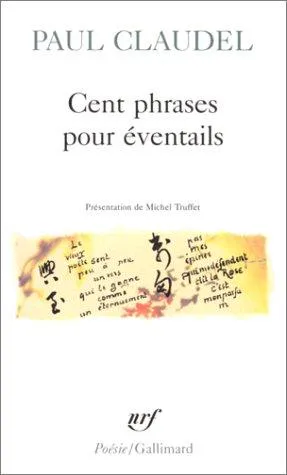
As he rose through academic circles and diplomatic ranks, Claudel’s literary career flourished with the publication of his first volume of poetry in 1892. Over the next several decades, he produced a vast body of work including poems, plays, essays, and novels that explored themes of spirituality, human nature, and the interplay between faith and reason.

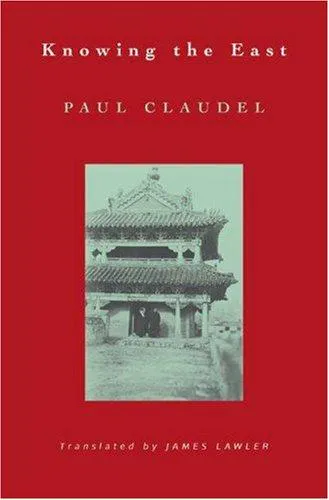
His diplomatic career took him to various posts across Europe, South America, and Asia, where he engaged deeply with local cultures and politics. Claudel was nominated for the Nobel Prize in Literature multiple times but never won. His literary output continued unabated through his tenure as a diplomat, culminating in the late 1930s when he retired from public service to focus entirely on writing.

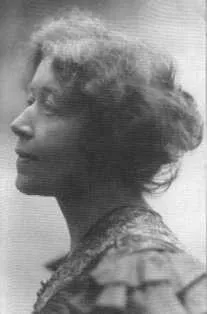
Paul Claudel’s personal life was marked by significant relationships and family ties that influenced his work deeply. He married Reine Paris, with whom he had six children: Louise Vetch, Pierre Claudel, Henri Claudel, Renée Nantet, Marie Frégnac-Claudel, and Madeleine. His sister, Camille Claudel, was also a renowned sculptor whose life intersected with his in both artistic and personal ways.

Paul Claudel passed away on February 23, 1955, leaving behind a legacy that extends far beyond the boundaries of France. His contributions to literature and diplomacy are celebrated for their depth, complexity, and enduring relevance. Today, Claudel is remembered as one of the most versatile and influential figures of his time.

Common Questions

What was Paul Claudel's early education like?
Claudel received a rigorous education at Lycée Louis-le-Grand in Paris before attending École Libre des Sciences Politiques. His early years were also influenced by his father’s postings abroad, particularly to the United States.
What are some of Paul Claudel's notable literary works?
Claudel is known for a wide array of works including poetry collections such as Choses et Cœurs (Things and Hearts) in 1896, plays like The Tête d'Or, and essays reflecting on his spiritual journey.
How did Paul Claudel's diplomatic career progress?
Claudel began his diplomatic service early in life and held several important positions including ambassador to Japan from 1923 to 1927. His career spanned various continents, enriching his literary work with diverse cultural insights.
What impact did Camille Claudel have on Paul's life?
Paul Claudel's sister Camille was a sculptor who had a significant influence on her brother’s artistic and spiritual development, though their relationship also had its complexities and tensions.
Why wasn't Paul Claudel awarded the Nobel Prize in Literature?
Despite being nominated multiple times, Claudel never won the Nobel Prize. The reasons for this remain speculative, but his prolific output across literature and diplomacy may have made it challenging to categorize him solely as a literary figure.
What was Paul Claudel's legacy after his death?
Claudel’s influence continues through his extensive body of work which explores profound themes of faith and humanity. His diplomatic experiences also left an indelible mark on French foreign policy and cultural relations.

People Also Viewed