 India
India Who is Subhas Chandra Bose?
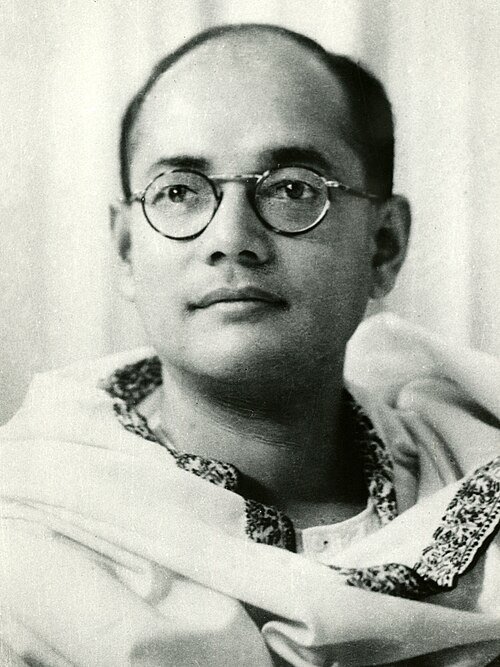
Subhas Chandra Bose, known affectionately as Netaji, was a pivotal figure in India’s struggle for independence from British rule. Born on January 23, 1897, in Cuttack, Orissa (now Odisha), he emerged from humble beginnings to become one of the most revered leaders of his time.
Bose hailed from an educated Bengali family; his father, Janakinath Bose, was a lawyer and member of the Brahmo Samaj. Young Subhas showed promise early on, excelling academically at places like the Scottish Church College in Calcutta (now Kolkata) before moving to London for further studies.
Upon returning to India, Bose quickly rose through political ranks. He joined the Indian National Congress but soon found himself at odds with its leadership over methods of achieving independence. In 1930, he was elected president of the party but resigned after ideological differences with Mahatma Gandhi and Jawaharlal Nehru.
Following his departure from the Congress, Bose established the All India Forward Bloc in 1939, a political group dedicated to more aggressive anti-colonial tactics. He also founded the Indian National Army (INA), which sought independence through military action against British rule.
Bose’s personal life was marked by deep commitment and sacrifice. In 1942, he married Emilie Schenkl, a German journalist who had become his lifelong companion. They had one daughter together, Anita Bose Pfaff, born in 1936 while they were not officially married.
The legacy of Netaji is multifaceted and enduring. He passed away on August 18, 1945, under mysterious circumstances involving a plane crash near Taipei, Taiwan. Despite the controversies surrounding his death and the methods he employed to achieve freedom for India, Bose remains an iconic figure in Indian history, celebrated for his unwavering dedication to the cause of independence.
Common Questions
What was Subhas Chandra Bose's role in World War II?
Bose sought support from Axis powers during World War II and established the Azad Hind Government in exile. He worked closely with Japan against British forces.
Why did Subhas Chandra Bose leave the Indian National Congress?
Disagreements over methods to achieve independence, especially regarding Mahatma Gandhi's non-violent approach, led Bose to form his own political party and pursue more militant strategies.
When was Subhas Chandra Bose elected president of the Indian National Congress?
Subhas Chandra Bose was first elected President of the Indian National Congress in 1938, but he resigned after ideological differences with Gandhi.
What is the significance of Netaji's legacy today?
Netaji continues to be celebrated for his radical approach and unwavering commitment to India’s independence. His legacy remains a source of inspiration for many nationalists in contemporary India.
Did Subhas Chandra Bose have any siblings?
Yes, he had three brothers: Sarat Chandra Bose, Sunil Chandra Bose, and Suresh Chandra Bose.