 Russia
 Who is Vladimir Lenin?
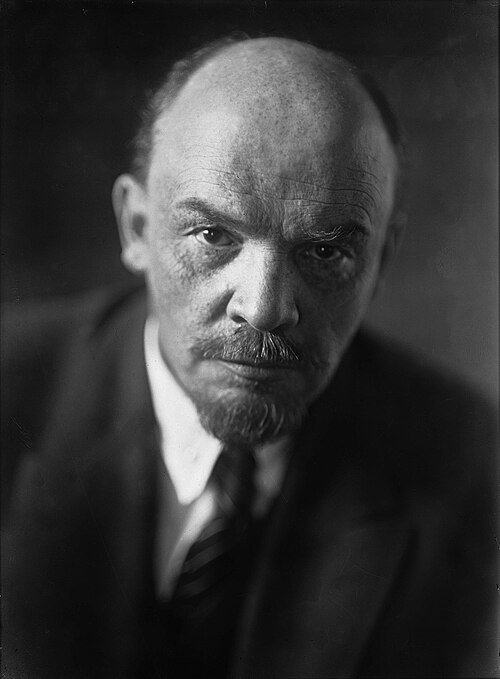
Vladimir Ilyich Lenin, born on April 22, 1870, in Simbirsk, Russian Empire (now Ulianovsk, Russia), was a pivotal figure in shaping modern history. His political career spanned from his early days as an activist to becoming the leader of the Soviet Union. Lenin’s influence extended far beyond Russia’s borders, transforming global politics and ideology.
Lenin came from a family deeply involved with public service. His father, Ilya Ulyanov, was a prominent educator who held various government positions; his mother, Maria Alexandrovna Blank (Ulyanova), was well-educated herself and supported her children’s education. Lenin’s older brother Alexander was executed for participating in an assassination attempt on Tsar Alexander III. This event profoundly affected the young Vladimir, contributing to his radicalization.
Lenin attended Kazan Imperial University but was expelled due to his participation in student protests against tsarist autocracy. He later enrolled at St Petersburg’s Samara Theological Seminary, where he continued to develop his political ideas and socialist leanings. His education influenced his philosophical approach to politics, which would later shape the Russian Revolution.
Lenin’s rise began with his involvement in the Russian Social Democratic Labour Party (RSDLP), founded in 1903. As a key figure within this party, he developed Bolshevik ideology and worked towards establishing an independent proletarian socialist movement. His writings, such as The State and Revolution, laid out principles that would guide his leadership.
His career reached its zenith during the October Revolution in 1917 when the Bolsheviks seized power, toppling the Provisional Government led by Alexander Kerensky. Lenin became the head of the Soviet state, introducing policies such as land reform and workers’ control over factories. His efforts were instrumental in negotiating Russia’s exit from World War I through the Treaty of Brest-Litovsk.
Lenin’s personal life was marked by a dedicated partnership with Nadezhda Krupskaya, whom he married in 1898 after their shared commitment to revolution. Together they had no children but were lifelong companions who supported each other through his political endeavors and health struggles later in life.
Lenin’s impact on history is profound; his ideology helped create the Soviet Union and influenced socialist movements worldwide. His death from an intracranial hemorrhage on January 21, 1924, marked the end of a transformative era for Russia and the global political landscape. Despite controversies surrounding his policies, Lenin remains a towering figure in 20th-century history.
Common Questions
Who were Vladimir Ilyich Lenin's parents?
Vladimir Ilyich Lenin was born to Ilya Ulyanov and Maria Alexandrovna Blank (Ulyanova). His father, Ilya, was a public servant and educator; his mother supported her children’s education.
What major political party did Vladimir Ilyich Lenin lead?
Lenin led the Bolshevik faction of the Russian Social Democratic Labour Party. He played a crucial role in establishing the Soviet state after leading the October Revolution in 1917.
Did Lenin have any siblings?
Yes, Lenin had several siblings including Maria Ulyanova, Olga Ulyanova, Alexander Ulyanov (who was executed for his political activities), Dmitry Ulyanov, and Anna Ulyanova.
When did the Russian Revolution take place under Vladimir Ilyich Lenin’s leadership?
The October Revolution took place in November 1917 (Julian calendar) when Lenin led the Bolsheviks to seize power from the Provisional Government.
What was Lenin's relationship with Nadezhda Krupskaya?
Lenin married Nadezhda Krupskaya in 1898. They were lifelong companions, sharing a commitment to revolutionary politics and supporting each other through his political career and later health issues.
What significant ideological works did Lenin write?
Lenin authored several important texts such as What Is To Be Done?, which laid out the principles of Bolshevik ideology, and The State and Revolution, addressing the role of the state in a socialist society.
How did Vladimir Ilyich Lenin die?
Lenin died on January 21, 1924, from an intracranial hemorrhage. His death marked the end of his transformative leadership and the beginning of a new era for the Soviet Union.