 United States
 Who is Edvard Grieg?
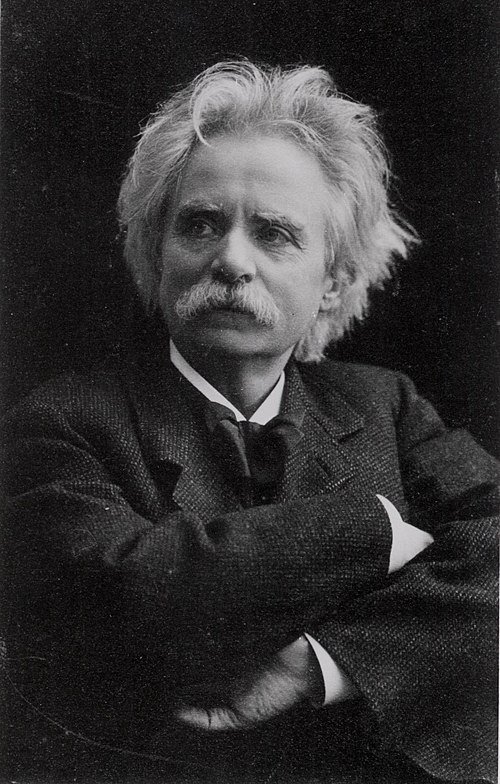
Edvard Hagerup Grieg, one of Norway’s most celebrated composers, left an indelible mark on classical music from 1843 to 1907. Born in Bergen, Norway, he came from a family with deep roots in the country’s cultural heritage and was raised by his mother Gesine, a talented pianist who nurtured his early musical talents.
Formative years spent in Leipzig exposed Grieg to a rich array of European musical traditions, which informed his unique compositional style. Upon returning to Norway, he quickly rose to prominence with works such as the Piano Concerto in A minor, Opus 16, and the Peer Gynt Suite No. 1. His dedication to Norwegian folk music inspired a nationalistic movement that defined much of his work.
Grieg’s personal life was marked by enduring relationships, including his marriage to Nina Hagerup in 1867. The couple supported each other’s creative endeavors and shared a deep love for Norway’s landscapes and traditions. Grieg’s legacy endures through the timeless beauty of his compositions and his role as a pioneer of Scandinavian music.
Edvard Grieg passed away on September 4, 1907, in Bergen due to complications from tuberculosis, leaving behind an enduring musical legacy that continues to inspire audiences around the world. His contributions have solidified him as one of the most influential composers of his era, and his music remains a cornerstone of classical repertoire.
Common Questions
When was Edvard Grieg born?
Edvard Hagerup Grieg was born on June 15, 1843, in Bergen, Norway.
Where did Edvard Grieg study music?
Grieg studied music at the University of Music and Theatre Leipzig from 1859 to 1862.
What is one of Edvard Grieg's most famous compositions?
Peer Gynt Suite No. 1 is among his most recognized works, composed in 1875 and based on Henrik Ibsen’s play 'Peer Gynt'.
Who was Edvard Grieg married to?
Edvard Grieg married Nina Hagerup in 1867. They were deeply devoted to each other's musical careers and shared a passion for Norwegian culture.
How did Edvard Grieg die?
Grieg died on September 4, 1907, in Bergen due to tuberculosis.