Early life
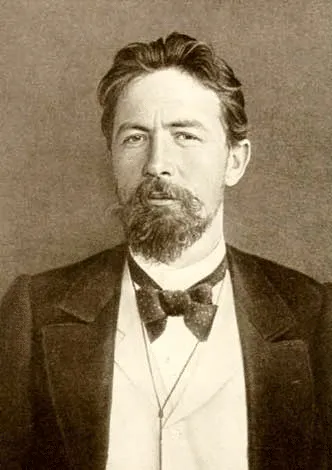
At age 15, Chekhov was abandoned by his bankrupt father and lived alone for three years while finishing the Classical Gymnasium in Taganrog. He was the third of six children born to Pavel Chekhov, a religious fanatic and grocer, and Evgenia Chekhova. In 1879, he obtained a scholarship at Moscow University Medical School, graduating in 1884 as a Medical Doctor.
![Cover for The Lady with the Dog and Other Stories [9 Stories]](https://cdn.famousy.org/book-covers/OL278145W-the-lady-with-the-dog-and-other-stories-9-stories-book-1280w.webp)
![Cover for The Duel and Other Stories [8 Stories]](https://cdn.famousy.org/book-covers/OL278134W-the-duel-and-other-stories-8-stories-book-1280w.webp)
![Cover for The Witch and Other Stories [15 Stories]](https://cdn.famousy.org/book-covers/OL55511W-the-witch-and-other-stories-15-stories-book-1280w.webp)
![Cover for The Bishop and Other Stories [7 Stories]](https://cdn.famousy.org/book-covers/OL55523W-the-bishop-and-other-stories-7-stories-book-1280w.webp)

![Cover for The Wife and Other Stories [9 Stories]](https://cdn.famousy.org/book-covers/OL278147W-the-wife-and-other-stories-9-stories-book-1280w.webp)
![Cover for The Darling and Other Stories [10 Stories]](https://cdn.famousy.org/book-covers/OL278143W-the-darling-and-other-stories-10-stories-book-1280w.webp)
![Cover for Love and Other Stories [23 Stories]](https://cdn.famousy.org/book-covers/OL55514W-love-and-other-stories-23-stories-book-1280w.webp)

![Cover for Plays - Second Series [8 Plays]](https://cdn.famousy.org/book-covers/OL55499W-plays-second-series-8-plays-book-1280w.webp)
![Cover for The Party and Other Stories [11 Stories]](https://cdn.famousy.org/book-covers/OL278146W-the-party-and-other-stories-11-stories-book-1280w.webp)