 Italy
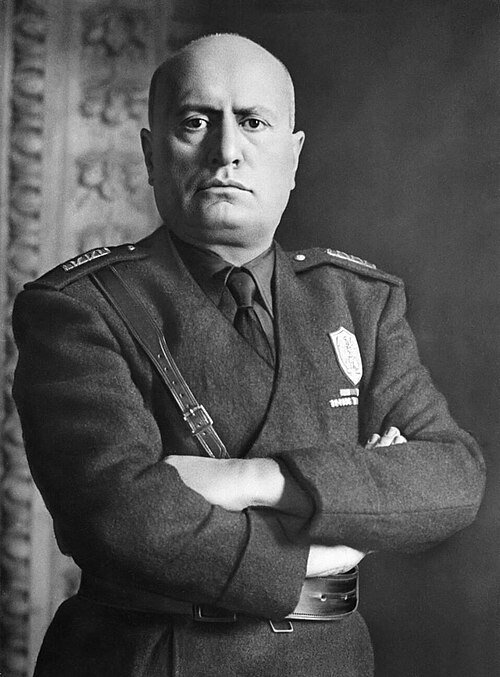
Italy Who is Benito Mussolini?
Benito Amilcare Mussolini (July 29, 1883 – April 28, 1945) was an influential figure who rose to prominence during the early 20th century as a political leader and founder of Italian fascism. His aggressive nationalism and authoritarian policies significantly shaped Italy’s role in both World War I and II.
Mussolini was born into a working-class family in Predappio, Italy. His father, Alessandro Mussolini, was an ardent socialist who encouraged his son to follow in his footsteps politically. This early exposure to radical politics greatly influenced Mussolini’s development as a young man.
After serving briefly in the Italian military during World War I and being wounded in 1917, Mussolini founded Fasci Italiani di Combattimento, which would later become the National Fascist Party. He became Prime Minister of Italy in 1922 following a march on Rome, where he demanded the resignation of then-Prime Minister Luigi Facta and seized power.
Under Mussolini’s rule, Italy experienced significant political repression and censorship. He consolidated his power by eliminating opposition parties and establishing a one-party state controlled by the National Fascist Party. By 1925, Mussolini had declared himself Il Duce (the leader), effectively becoming dictator of Italy.
Mussolini married Rachele Guidi in 1914, with whom he had five children: Vittorio, Edda, Bruno, Romano, and Anna Maria. He also had a relationship with Ida Dalser, who claimed to have been his first wife; however, she was later institutionalized and her existence suppressed by the regime.
The Second World War saw Italy initially aligning itself with Nazi Germany. Mussolini’s decision to enter the war in 1940 proved disastrous for Italy, leading to its eventual defeat and occupation by Allied forces in 1943. Mussolini was rescued from imprisonment by German commandos but his influence had waned significantly.
On April 28, 1945, while attempting to escape across Lake Como with Clara Petacci, Mussolini was captured and shot dead by Italian partisans near the town of Dongo in northern Italy. His death marked the end of his regime but left a lasting legacy that continues to be debated among historians.
Common Questions
What were Benito Mussolini's early political influences?
Mussolini was heavily influenced by his father Alessandro, who was an ardent socialist. This early exposure to radical politics significantly shaped Mussolini's worldview and future political career.
How did Mussolini become Prime Minister of Italy?
In 1922, Mussolini led a march on Rome, demanding the resignation of then-Prime Minister Luigi Facta and seizing power. He was appointed Prime Minister by King Victor Emmanuel III later that year.
What is Mussolini's family life like?
Mussolini married Rachele Guidi in 1914 and they had five children together: Vittorio, Edda, Bruno, Romano, and Anna Maria. He also had a relationship with Ida Dalser, who claimed to have been his first wife.
What were some of Mussolini's key achievements?
Mussolini's most significant achievement was establishing himself as the leader of Italy in 1922 and subsequently consolidating power through political repression and censorship. He also brought Italy into World War II on the side of Nazi Germany.
What is Benito Mussolini's legacy?
Mussolini's legacy is controversial, with many viewing him as a dictator responsible for political oppression and disastrous foreign policy decisions during World War II. Others see his regime as instrumental in shaping modern Italian politics.