 United Kingdom
 Who is Bertrand Russell?
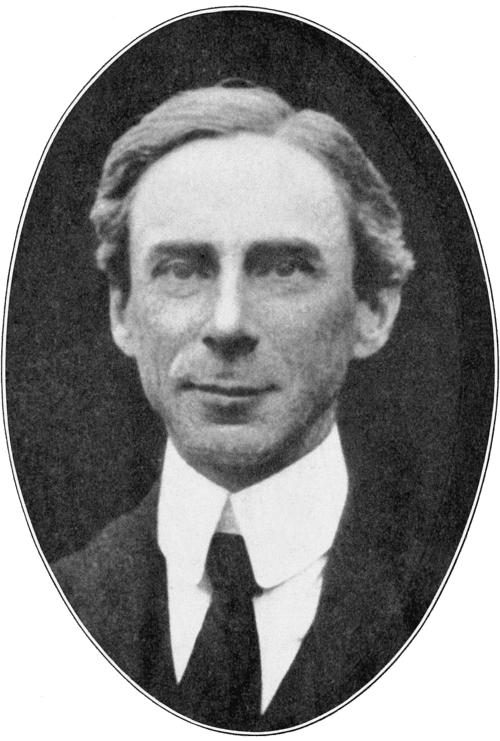
Bertrand Arthur William Russell (May 18, 1872 – February 2, 1970), better known as Bertrand Russell, was a towering figure in the intellectual landscape of the twentieth century. His work spanned philosophy, mathematics, and political activism, making him one of the most influential thinkers of his time.
Born into the aristocratic Russell family, Russell’s early life was marked by tragedy; both his parents died when he was young. Raised largely by his grandmother, Russell inherited a vast intellectual heritage but also faced significant emotional challenges that would shape his later philosophical and political views. His education at Trinity College, University of Cambridge, set the stage for his future achievements in mathematics and philosophy.
Russell’s career took off with groundbreaking contributions to mathematical logic and the foundations of mathematics in works such as Principia Mathematica, co-authored with Alfred North Whitehead. He was also a prolific writer on social and political issues, advocating for pacifism during both World Wars, which led to his imprisonment and ostracization from some academic circles. His philosophical writings, including the influential book The Problems of Philosophy (1912), further established him as one of the leading voices in analytical philosophy.
Russell’s personal life was equally complex and eventful. He married four times and had several children, but his relationships were often marked by scandal and controversy. Despite these personal challenges, he remained committed to his intellectual pursuits and political activism until the end of his long life.
His legacy includes numerous accolades, including nominations for both the Nobel Prize in Literature and the Nobel Peace Prize, though he never received a Nobel award. In his later years, Russell continued to write prolifically on ethics, politics, and education, leaving behind a vast body of work that continues to influence scholars and thinkers today.
Bertrand Russell died of influenza at the age of 97 in 1970, having lived through one of the most tumultuous periods in human history. His writings and teachings have had a profound impact on philosophy, mathematics, and social thought, securing his place as one of the greatest minds of the twentieth century.
Common Questions
What were Bertrand Russell's major philosophical works?
Russell's major philosophical works include Principia Mathematica, co-authored with Alfred North Whitehead, and The Problems of Philosophy. He also wrote extensively on ethics, politics, and education.
What political views did Bertrand Russell hold?
Russell was a pacifist who opposed both World Wars. His political writings often focused on promoting peace and democracy.
When was Bertrand Russell born and when did he die?
Bertrand Russell was born on May 18, 1872, and died on February 2, 1970.
How many times was Bertrand Russell married?
Russell married four times in his lifetime: Alys Pearsall Smith, Dora Black (née Marianne Keynes), Patricia Spence, and Edith Finch Russell.
Why wasn't Bertrand Russell awarded the Nobel Prize?
Although nominated several times, Russell was never awarded a Nobel Prize. He received nominations for both the Nobel Peace Prize and the Nobel Prize in Literature but did not win either award.