United States Who is H.d.?
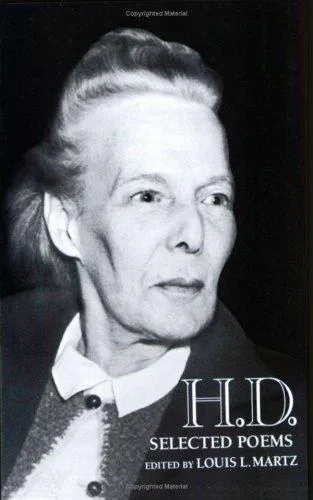
Hilda Doolittle, widely recognized by her pen name H.D., was a distinguished American poet and novelist whose innovative work reshaped modern literature. Born on September 10, 1886, in Bethlehem, Pennsylvania, she grew up in an environment that nurtured her literary ambitions. Her mother, Helen Eugenia Wolle, and father, Charles Leander Doolittle, provided a stable home for H.D., who developed a keen interest in literature from a young age.
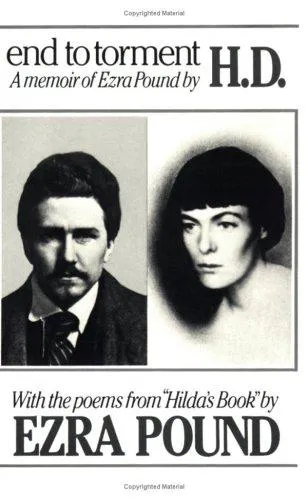
Early on, H.D.’s intellect was evident; she excelled academically at Bryn Mawr College. There, she befriended Ezra Pound, who would become one of her most influential mentors and collaborators. This relationship propelled her into the literary world of the early 20th century. Her participation in the Imagist movement, alongside Pound, was a defining moment that established her as a key figure in modern poetry.
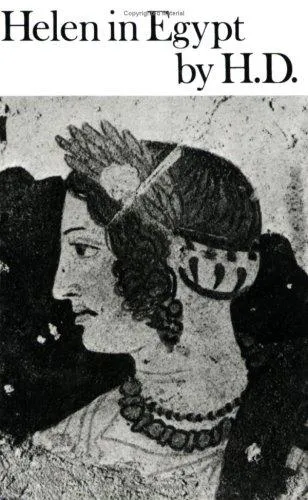
Throughout her career, H.D.’s work spanned various forms, including novels and essays, but she is most renowned for her groundbreaking poetry collections such as Helen in Egypt (1961) and Tribal Angels (1934). She also wrote extensively on literature and psychoanalysis. H.D.’s personal life was marked by significant relationships, including her marriages to Richard Aldington, with whom she had a daughter named Perdita, and her long-term relationship with Bryher.
H.D.’s impact on the literary world extends beyond her prolific writing. She challenged traditional gender roles and explored themes of sexuality in her work, contributing to a broader cultural dialogue about women’s rights and freedoms. Her legacy continues to inspire new generations of writers and scholars. Hilda Doolittle passed away on September 27, 1961, leaving behind an enduring body of work that remains relevant today.