 India
India Who is Indira Gandhi?
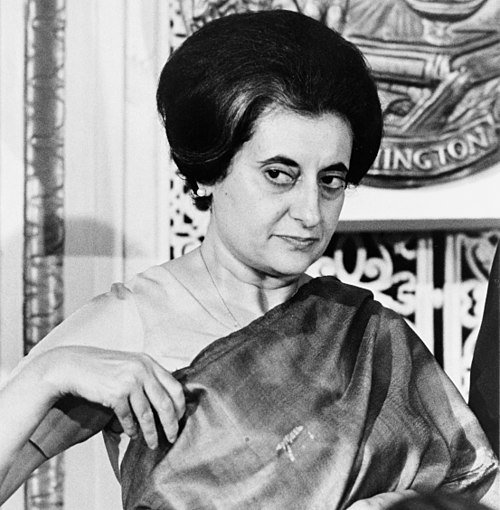
Indira Priyadarshini Nehru Gandhi, better known as Indira Gandhi, was one of the most significant figures in modern Indian history. Born on November 19, 1917, and assassinated on October 31, 1984, she served twice as Prime Minister of India—a role that saw her navigate the complex and often turbulent landscape of post-independence India.
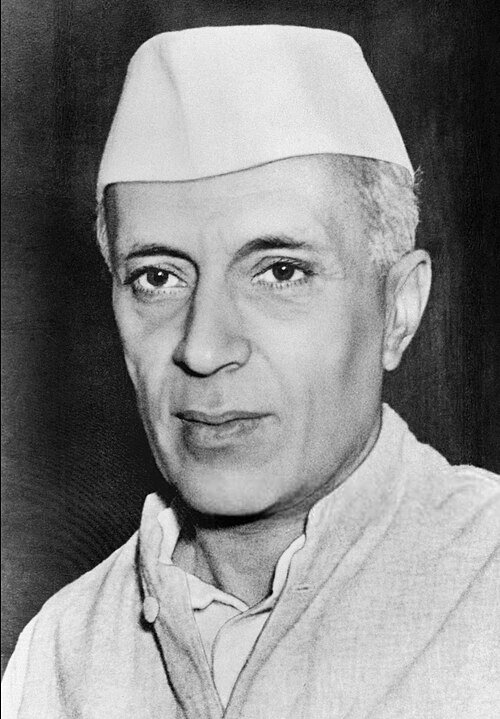
Gandhi’s early life was marked by the political activism of her family. Born in Allahabad to Jawaharlal Nehru, who would go on to become India’s first prime minister, Indira grew up surrounded by the nationalist movement against British colonial rule. Her father, a renowned figure in the Indian National Congress, influenced her deeply. Indira’s mother, Kamala Nehru, died when Indira was just 17 years old.
Indira received her education at Visva-Bharati University and later attended Somerville College at Oxford University but did not complete a degree there due to her father’s political commitments in India. Her formative experiences during these years were shaped by the political climate of pre-independence India, where she often accompanied her father on his travels and meetings.
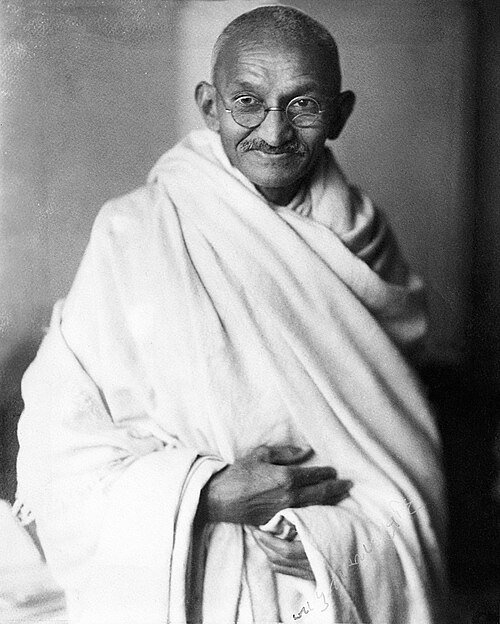
After returning from England, Gandhi married Feroze Gandhi (no relation to Mahatma Gandhi) in 1942, a union that would eventually produce two sons, Rajiv and Sanjay. Her political career began in earnest after India’s independence in 1947 when she became her father’s official hostess and secretary. She quickly immersed herself in the intricate workings of politics and diplomacy.
Indira Gandhi rose to prominence within the Indian National Congress party, leveraging her family legacy while carving out her own political identity. In 1964, after her father’s death, she became a member of parliament and joined Prime Minister Lal Bahadur Shastri’s cabinet as minister for information and broadcasting. When Shastri passed away in 1966 following the Indo-Pakistani War, the Congress party chose Indira Gandhi as its leader, propelling her to become India’s third prime minister at just 47 years old.
During her tenure, she faced significant challenges, including a severe drought and food shortages. In response, she nationalized banks in an effort to modernize India’s economy and launched initiatives such as the Green Revolution to increase agricultural productivity. Despite these efforts, her second term was marked by widespread opposition and criticism for declaring a state of emergency from 1975 to 1977 due to political turmoil. This period saw restrictions on civil liberties and press censorship.
After losing elections in 1977, Indira Gandhi returned to power in 1980, where she continued her efforts towards economic reforms and national security. However, internal conflicts within the Sikh community of Punjab escalated into violence. The culmination was Operation Blue Star in June 1984, a military operation aimed at removing militants from the Golden Temple, one of the most sacred sites for Sikhs.
These events led to a backlash against her leadership and contributed to her assassination on October 31, 1984. Shot by two of her own bodyguards, Indira Gandhi’s death sent shockwaves through India and triggered widespread riots against Sikhs in the capital city of New Delhi.
Indira Gandhi’s legacy is complex; she was both celebrated for her strong leadership during times of national crisis and criticized for authoritarian tendencies. Her political career was marked by fierce loyalty to Indian nationalism, an unwavering commitment to socialism, and a drive towards modernization that reshaped the country’s economic landscape.
Common Questions
What were some key events in Indira Gandhi's early life?
Indira Gandhi was born in Allahabad on November 19, 1917. She lost her mother at a young age and accompanied her father, Jawaharlal Nehru, during his political activities against British rule.
How did Indira Gandhi become Prime Minister of India?
Indira Gandhi became the leader of the Indian National Congress party after the death of Prime Minister Lal Bahadur Shastri in 1966 and subsequently won a general election, becoming India's third prime minister.
What were some major accomplishments during Indira Gandhi's time as Prime Minister?
Indira Gandhi nationalized banks to modernize the economy, initiated the Green Revolution to boost agricultural productivity, and declared a state of emergency in 1975 to address political unrest.
How did Indira Gandhi's family life impact her political career?
Married to Feroze Gandhi with two sons, Rajiv and Sanjay, her family background provided a strong foundation for her political rise. Her father, Jawaharlal Nehru, was instrumental in shaping her early experiences in politics.
What were the circumstances of Indira Gandhi's assassination?
Indira Gandhi was assassinated on October 31, 1984, by two of her own bodyguards who were Sikhs. This event followed Operation Blue Star, a military operation against Sikh militants at the Golden Temple in Amritsar.
How is Indira Gandhi remembered in Indian history?
Indira Gandhi's legacy is complex; she is remembered for both her strong leadership and controversial measures during times of crisis. Her role in shaping India's political and economic landscape remains significant.