 Germany
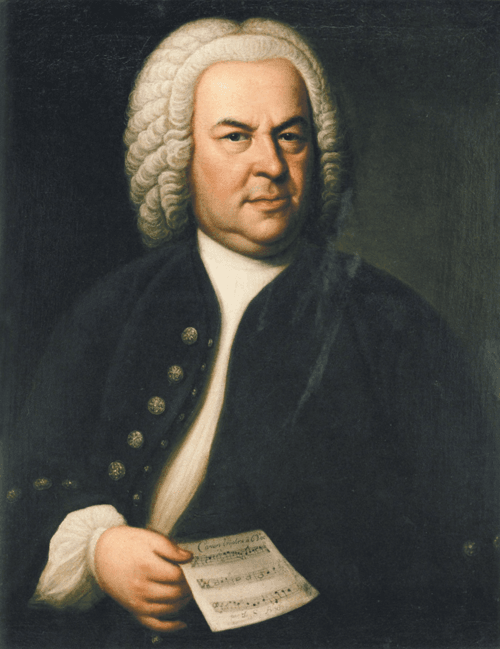
 Who is Johann Sebastian Bach?
Johann Sebastian Bach, one of the most revered figures in Western classical music, was born on March 21, 1685, in Eisenach, Germany. He lived through a period of significant cultural and intellectual change, contributing profoundly to the development of Baroque music.
Bach’s formative years were deeply influenced by his family background. His father, Johann Ambrosius Bach, was also a musician who introduced him to the world of music from an early age. After his father’s death in 1695 when Johann Sebastian was just ten years old, he moved to Ohrdruf to live with his older brother, Johann Christoph, who taught him more advanced musical techniques.
As a young man, Bach worked at various churches and courts throughout Germany, gradually building his reputation as an exceptional organist and composer. His breakthrough came in Weimar from 1708 onwards when he served as the court organist for Duke Johann Ernst III of Saxe-Weimar. Here, he composed many of his famous organ works and began developing his skills as a composer of church cantatas.
In 1723, Bach accepted a position as Thomaskantor in Leipzig, where he spent the rest of his career composing some of his most significant works, including the Mass in B minor, The Passion According to St. Matthew, and numerous cantatas. His time in Leipzig saw him not only compose but also teach music, further cementing his influence on later generations.
Bach’s personal life was marked by several marriages and the birth of many children. He married his first wife, Maria Barbara Bach, in 1707; they had seven children together before her death in 1720. In 1721, he remarried to Anna Magdalena Wilcken, who bore him thirteen more children. Despite this large family and the demands of his professional life, Bach managed to compose prolifically until his death on July 28, 1750.
The legacy of Johann Sebastian Bach is vast; he not only shaped Baroque music but also influenced subsequent musical movements. His works are celebrated for their complexity, depth, and emotional resonance. While largely unrecognized during much of his lifetime, Bach’s reputation grew posthumously as musicians and composers in the Romantic era rediscovered and revered his compositions.
Common Questions
What was Johann Sebastian Bach's early musical education?
Johann Sebastian Bach received early musical training from his father, Johann Ambrosius Bach. After his father’s death, he lived with his brother Johann Christoph in Ohrdruf and learned more advanced techniques under him.
How did Bach become famous as a composer?
Bach's reputation grew after he became the court organist for Duke Johann Ernst III of Saxe-Weimar from 1708 onwards. During this period, he composed many notable works and began developing his skills in writing church cantatas.
What are some of Bach's most famous works?
Some of Bach’s most famous compositions include the Mass in B minor, The Passion According to St. Matthew, numerous cantatas, and extensive organ music such as the Toccata and Fugue in D Minor. These pieces showcase his mastery over various musical forms.
How many children did Johann Sebastian Bach have?
Johann Sebastian Bach had 20 children from two marriages: seven with Maria Barbara and thirteen more with Anna Magdalena Wilcken. Not all of these survived to adulthood.
What impact did Johann Sebastian Bach have on later music?
Bach's influence extends beyond the Baroque era into Romanticism and beyond, as his complex compositions inspired musicians such as Mendelssohn and Brahms who helped bring about a revival in interest around his work after his death.
What was Johann Sebastian Bach’s occupation?
Johann Sebastian Bach was primarily known for being a composer but also held positions as an organist, conductor, music teacher, and church musician throughout his career.
When did Johann Sebastian Bach die?
Johann Sebastian Bach passed away on July 28, 1750, in Leipzig, Germany. His death was due to complications from a stroke he had suffered earlier that year.