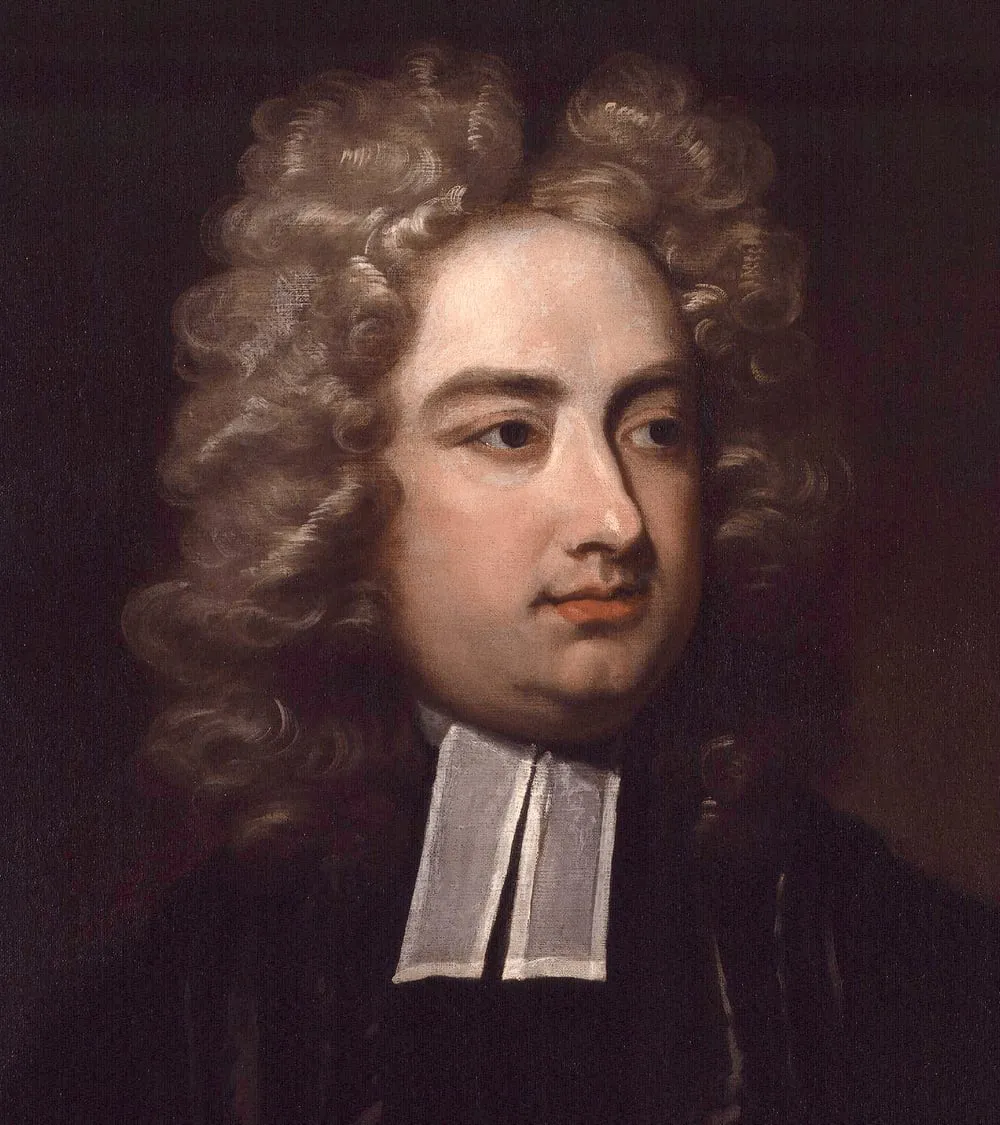
Ireland Who is Jonathan Swift?
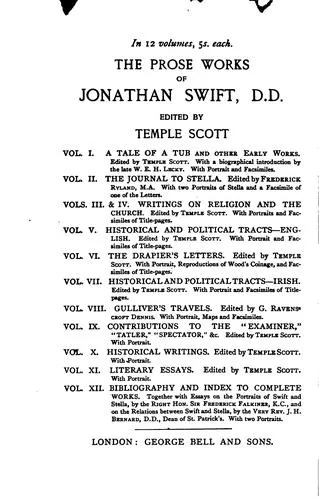
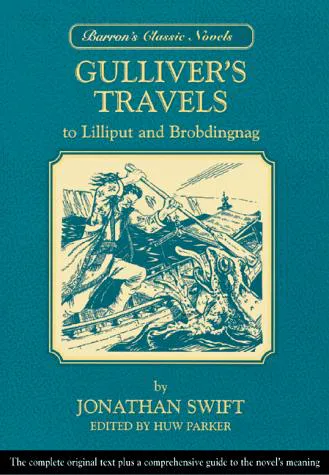
Jonathan Swift (30 November 1667 – 19 October 1745) was a towering figure of the Enlightenment era, renowned as much for his biting satire as for his profound philosophical insights. His literary legacy spans from the fantastical landscapes of Lemuel Gulliver’s Travels to the pointed critiques in A Modest Proposal.
Born in Dublin to Jonathan Swift and Abigail Erick, Swift’s early years were marked by family instability; his father died before his birth. Raised by relatives in Kilkenny, he received a solid education at Kilkenny College and later Trinity College, Dublin.
Swift’s rise to prominence was gradual but steady. After graduating from Trinity, he served as secretary to Sir William Temple in England, an influential diplomat who introduced him to the literary circles of London. This period was crucial for his development as a writer and thinker. In 1694, he became a priest in the Church of Ireland, though his true passion lay in writing.
Swift’s career took off with the publication of A Tale of a Tub in 1704 and The Battle of the Books, both showcasing his satirical prowess. He continued to produce influential works, such as Gulliver’s Travels (1726), which remains one of the most celebrated novels in English literature for its critique of human nature and societal norms.
Beyond his literary pursuits, Swift was involved in political activism, often anonymously using pseudonyms like Isaac Bickerstaff. He also engaged in a long relationship with Esther Vanhomrigh, known as Vanessa to him. This relationship influenced much of his later work, including The Lady’s Dressing Room.
Jonathan Swift died on 19 October 1745 at the age of 77, leaving behind an enduring legacy that has continued to inspire and provoke readers for centuries. His satirical genius, combined with a deep philosophical inquiry into human nature and society, made him one of the most significant figures in English literature.