Kurt Tucholsky Profile & Biography

Kurt Tucholsky

Born: January 9, 1890
Died: December 21, 1935
German journalist Kurt Tucholsky, born January 9, 1890, was a pioneering satirist and critic who died on December 21, 1935.

Who is Kurt Tucholsky?

Kurt Tucholsky (January 9, 1890 – December 21, 1935) was one of Germany’s most influential journalists and writers during the early to mid-20th century. His biting satire and political commentary resonated with a wide audience but also made him numerous enemies.

Tucholsky was born in Berlin to Alex Tucholsky, an engineer, and his wife Boris (née Schüddekopf). Growing up in the capital of Germany provided him with a rich cultural backdrop that deeply influenced his work. His formative years were marked by a love for literature and the arts.

His education was extensive; he studied at the Humboldt University of Berlin, Friedrich Schiller University Jena, and even traveled to Switzerland where he attended the University of Geneva. This broad academic experience laid the foundation for his multifaceted career in journalism and writing.

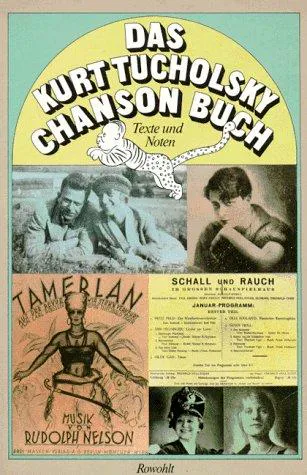
Tucholsky’s rise to prominence began with his satirical essays and columns that appeared in newspapers such as Die Weltbühne. He was also a prolific writer, producing numerous books and pamphlets under various pseudonyms like Kaspar Hauser, Peter Panter, Theobald Tiger, Ignaz Wrobel, Paulus Bünzly, and Theobald Körner. These aliases allowed him to explore different aspects of his personality and the political landscape without being directly identified.

Throughout his career, Tucholsky was known for his sharp wit and unflinching criticism of social injustices. His membership in the Independent Social Democratic Party of Germany reflected his commitment to democratic values and workers’ rights. However, as Nazi power grew, he found it increasingly difficult to continue his work without facing severe repercussions.

Personal life was marked by several significant relationships and marriages. He married Else Weil in 1924 but later had a long-term relationship with Lisa Matthias from the early 1930s until Tucholsky’s death. His brother, Fritz Tucholsky, also a writer, shared his passion for journalism.

Kurt Tucholsky passed away on December 21, 1935, in Sweden due to an accidental drug overdose that stemmed from his struggle with chronic pain and depression. His legacy includes not only his literary contributions but also his courage in standing up against tyranny through the power of words.

Common Questions

What were some of Kurt Tucholsky's most famous works?
Among his notable writings are satirical essays and columns in 'Die Weltbühne' under various pseudonyms. His book 'Das Reichskreuz' is particularly well-regarded for its critique of nationalist symbols.
How did Kurt Tucholsky's political views shape his work?
Tucholsky was a staunch supporter of democratic values and workers' rights, which he expressed through biting satire and critical commentary in newspapers such as 'Die Weltbühne'. His membership in the Independent Social Democratic Party reflected these beliefs.
What impact did Kurt Tucholsky have on German journalism?
Tucholsky's work had a profound influence on German journalism, particularly with his satirical essays and columns. He was known for tackling social injustices head-on, thereby shaping public discourse during the Weimar Republic.
Who were Kurt Tucholsky's parents?
Kurt Tucholsky was born to Alex Tucholsky, an engineer, and his wife Boris (née Schüddekopf).
What led to Kurt Tucholsky's death?
Tucholsky died on December 21, 1935, in Sweden as a result of an accidental drug overdose. He was taking medication for chronic pain and depression.
How did Kurt Tucholsky contribute to the literary world beyond journalism?
In addition to his journalistic work, Tucholsky authored several books and pamphlets. His writings often used humor and satire to critique societal norms and political issues of the time.

People Also Viewed