 United States
 Who is Man Ray?
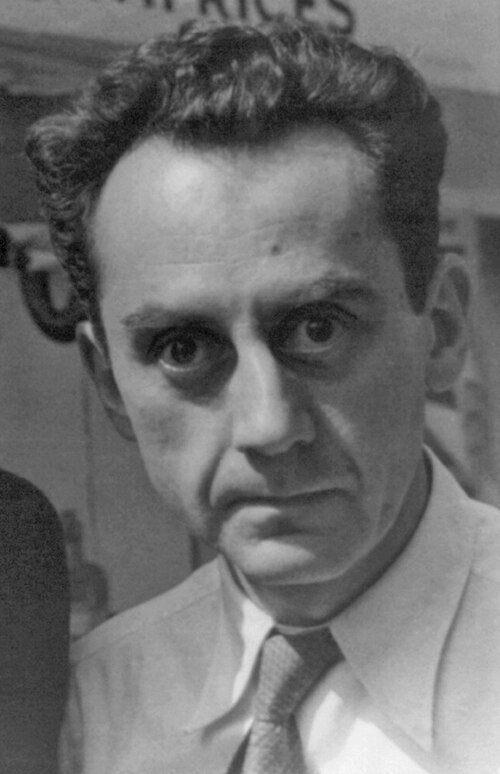
Man Ray (born Emmanuel Radnitzky; August 27, 1890 – November 18, 1976) was a pioneering American artist whose contributions to the worlds of photography, painting, sculpture, and film have left an indelible mark on modern art. Born in South Philadelphia to Jewish-Russian immigrant parents Max Ray and Manya Lourie Ray, he grew up in a family environment marked by financial hardship and cultural richness.
In his formative years, Emmanuel Radnitzky, as he was originally known, moved with his family to Brooklyn, where he began studying art at the age of fourteen. Encouraged by his older brothers, who were also artists, Emmanuel adopted the professional name Man Ray in 1907 when he started exhibiting his work and sought to distance himself from the ethnic connotations of his birth surname.
Man Ray’s career ascended dramatically with his arrival in Paris in 1921. There, he quickly became a central figure within the Dada movement, alongside artists like Marcel Duchamp and Francis Picabia. His innovative use of photography as an art form culminated in iconic portraits and experimental works that challenged traditional aesthetics. Notably, Man Ray developed techniques such as rayographs—photographic images produced without the use of a camera—and solarization, a process he popularized.
Throughout his life, Man Ray maintained several significant relationships, including marriages to Juliet Browner (from 1946 until his death) and Adon Lacroix (briefly in the early 1920s), as well as long-term partnerships with Lee Miller and Alice Prin. These personal connections often influenced his art, reflecting a blend of creativity and intimate expression.
Man Ray’s influence extended beyond visual arts into cinema, where he made experimental films such as Ballet Mécanique (1924) in collaboration with Fernand Léger. His legacy is profound; he helped shape the aesthetics of modern art while pushing boundaries in various media.
Faced with declining health, Man Ray passed away on November 18, 1976, at his home in Paris from an infectious disease, leaving behind a rich and complex body of work that continues to inspire artists around the world.
Common Questions
What was Man Ray's original name?
Man Ray was originally named Emmanuel Radnitzky. He changed his professional name to Man Ray in 1907.
How did Man Ray contribute to the Dada movement?
Man Ray became a central figure in the Dada movement upon arriving in Paris in 1921, collaborating with artists like Marcel Duchamp and contributing innovative techniques such as rayographs and solarization to photography.
What are some of Man Ray's most famous works?
Man Ray is known for his iconic portraits, experimental photographic techniques including rayography, and films such as Ballet Mécanique (1924).
Did Man Ray have any significant relationships that influenced his work?
Yes, Man Ray had long-term partnerships with Lee Miller and Alice Prin, which often reflected in his art through themes of intimacy and expression.
What is the significance of Man Ray's technique called solarization?
Solarization was a photographic process that Man Ray popularized. It involves exposing film to light during development, creating an image with stark contrasts between black and white areas.