 France
 Who is Marcel Duchamp?
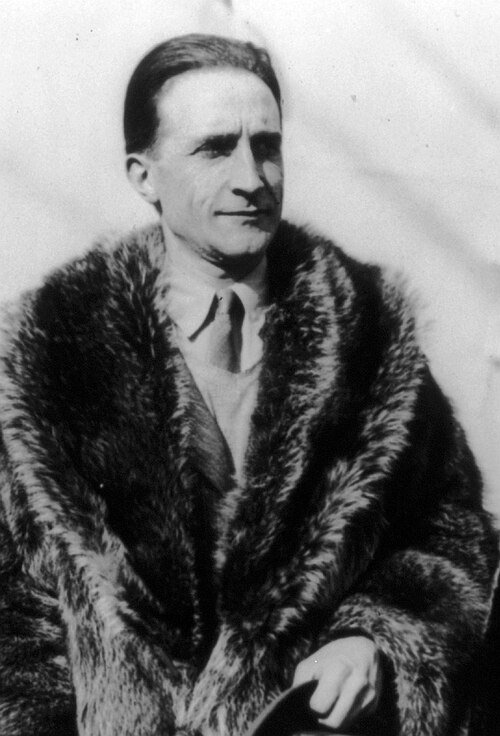
Marcel Duchamp, born Henri-Robert-Marcel Duchamp on July 28, 1887, in Blainville-Crevon, France, is one of the most influential figures in the development of avant-garde art. Renowned for his playful yet profound contributions to modern and conceptual art, Duchamp’s impact extends far beyond the canvas.
The son of Justin-Isidore Eugène Duchamp and Lucie Duchamp, Marcel grew up surrounded by a family deeply immersed in artistic pursuits. His brothers Raymond Duchamp-Villon and Jacques Villon were also artists who contributed to the avant-garde movement. Early exposure to various forms of art influenced Marcel’s unique approach to creativity.
Duchamp began his career as a painter, but it was his shift towards conceptual art that marked his rise to prominence. He gained notoriety in 1917 with “Fountain”, an inverted urinal submitted under the pseudonym R. Mutt for the Society of Independent Artists exhibition in New York City. This piece, often considered a cornerstone of modern art, sparked intense debate about the nature of art and its definition.
In addition to his groundbreaking works, Duchamp was known for his playful use of language and identity. He adopted several aliases throughout his career, including Rrose Sélavy (or Rose Selavy), reflecting an interest in gender roles and sexual ambiguity that often underpinned his work.
Marcel’s personal life saw multiple significant relationships but no long-term marriages. Gabriële Buffet-Picabia was a notable companion who shared his passion for avant-garde art. Duchamp also had a relationship with Maria Martins, which inspired some of his later works. In 1968, he passed away in Neuilly-sur-Seine, France.
His legacy is marked by an enduring influence on the conceptual and experimental aspects of modern art. His work continues to inspire artists and challenge conventional notions of creativity.
Common Questions
What was Marcel Duchamp's birth name?
Marcel Duchamp's full birth name was Henri-Robert-Marcel Duchamp.
Who were Marcel Duchamp's siblings?
Duchamp had two brothers, Raymond Duchamp-Villon and Jacques Villon, both of whom were also artists.
What is Marcel Duchamp known for in the art world?
Marcel Duchamp is renowned for his conceptual approach to art, particularly works like Fountain (1917) and his use of language-based art.
Did Marcel Duchamp ever get married?
Marcel Duchamp had a relationship with Alexina Duchamp but did not marry her. He also was in a significant relationship with Gabriële Buffet-Picabia.