 United Kingdom
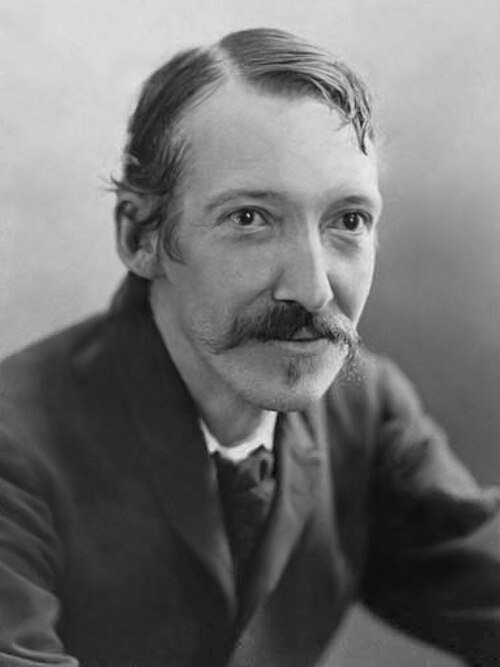
 Who is Robert Louis Stevenson?
Robert Louis Stevenson, the master of Scottish literature and one of the most celebrated authors of his time, was a man whose life and work were marked by an adventurous spirit and a profound curiosity about the world around him. Born on November 13, 1850, in Edinburgh, Scotland, Stevenson’s journey from a sickly child to a literary giant is both inspiring and tragic.
Stevenson was born into a family of lighthouse engineers; his father Thomas Stevenson had already established himself as a leading figure in this field. Robert’s early years were shaped by the intellectual environment of Edinburgh, where he attended the University of Edinburgh and later pursued law at its School of Law. Despite showing little interest in becoming a lawyer like his father, Stevenson was deeply influenced by the city’s rich literary scene.
His health struggles from childhood—particularly tuberculosis and severe asthma—led him to seek out warmer climates for much of his adult life. This nomadic existence took him across Europe, the United States, and even as far as Samoa, where he spent his final years. Despite these challenges, Stevenson’s literary career flourished. His breakthrough came with Treasure Island (1883), a novel that introduced readers to the swashbuckling world of pirates and buried treasure. This was followed by other renowned works such as The Strange Case of Dr Jekyll and Mr Hyde (1886) and Kidnapped (1886).
Stevenson’s personal life was also marked by significant events. He married Fanny Van de Grift Osbourne, a woman 10 years his senior, in 1880 while she was living in California. Their relationship and marriage were tumultuous but ultimately enduring, with Fanny becoming one of Stevenson’s most steadfast supporters.
Robert Louis Stevenson’s life came to an abrupt end on December 3, 1894, when he suffered a cerebral hemorrhage at his home in Samoa. He left behind not only a legacy of influential literature but also a lasting impact on the genre of adventure fiction and a trove of letters that offer intimate insights into his creative process.
Common Questions
What were some of Robert Louis Stevenson's most famous works?
Treasure Island, The Strange Case of Dr Jekyll and Mr Hyde, and Kidnapped are among his most renowned books.
How did Robert Louis Stevenson's health affect his life and work?
Stevenson suffered from tuberculosis and severe asthma, which led him to travel extensively in search of warmer climates that would improve his condition.
Where was Robert Louis Stevenson born and raised?
He was born on November 13, 1850, in Edinburgh, Scotland, where he also spent much of his early life.
How did Fanny Van de Grift Osbourne impact Robert Louis Stevenson's life?
Fanny became Stevenson’s wife and a strong supporter during both the highs and lows of his career, providing him with stability and encouragement.