-
01
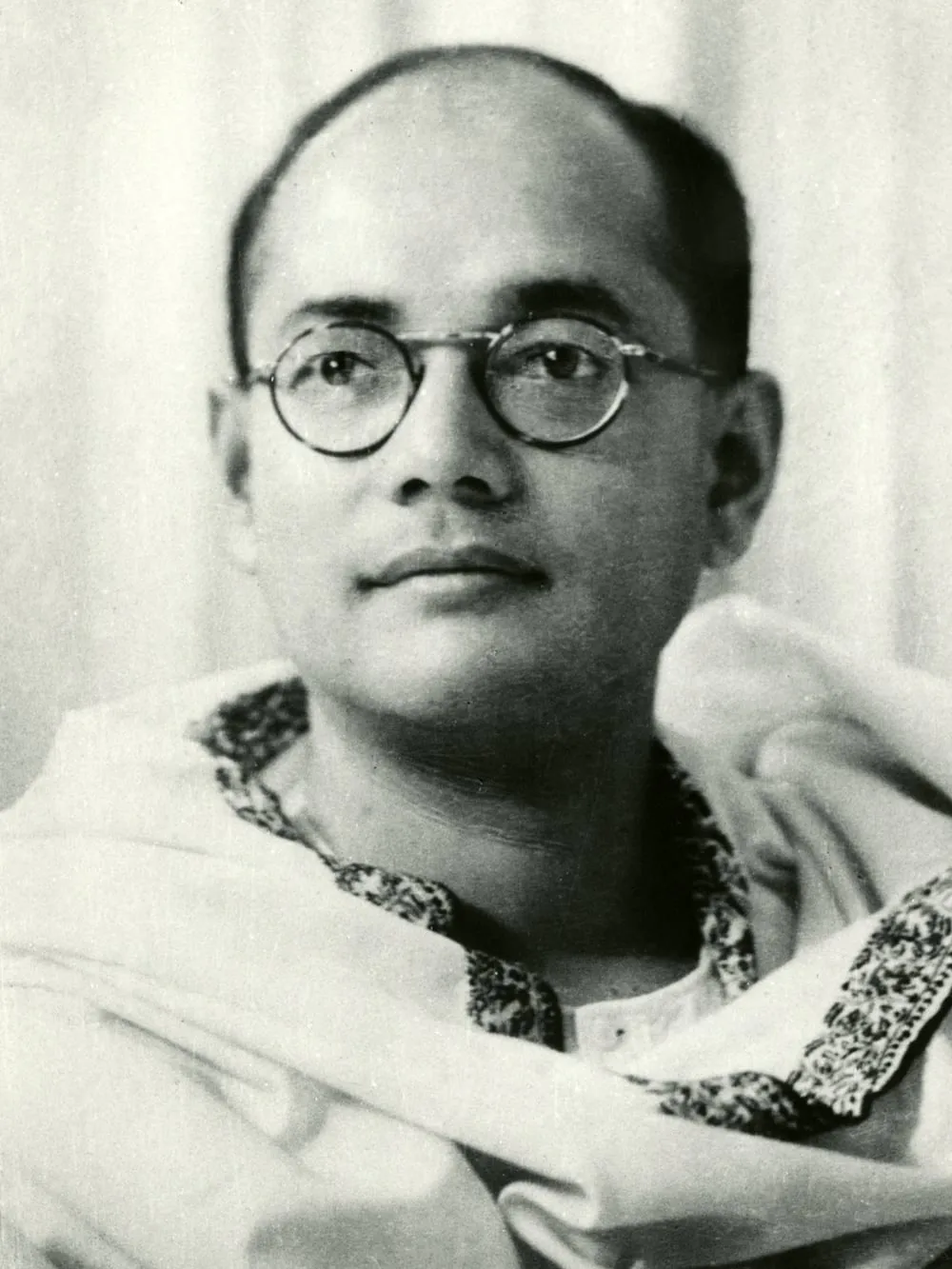
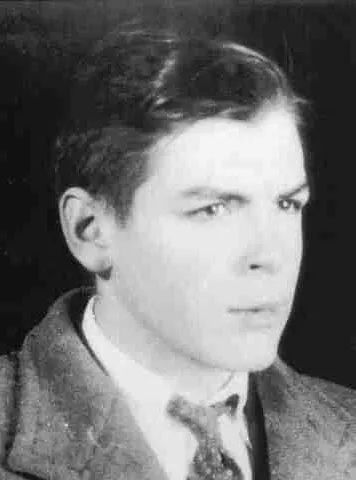
Subhas Chandra Bose was an Indian political leader who fought determinedly for independence.
-
02
Bose’s daughter, Prof. Anita Pfaff, carries on his legacy.
-
03
Even after Bose’s reported death, Prime Minister Jawaharlal Nehru and Home Minister Sardar Vallabhbhai Patel kept his family in Kolkata under surveillance.
-
04
Bose received the Bharat Ratna posthumously in 1992; his family declined it, stating his contributions were beyond any award.
-
05
He regarded Congress leader Chittaranjan Das as his mentor and the Bhagwad Gita as his ultimate source of inspiration.
-
06
Securing 4th position in the All India Civil Services Examination, he chose the independence movement over a civil service career.
-
07
In 1939, after Gandhi refused to acknowledge his re-election as Congress president, he resigned and founded the All India Forward Bloc.
-
08
A portrait of Bose hangs in the Indian parliament building, alongside those of Nehru and Gandhi in government offices across India.
-
09
Kolkata’s international airport is named Netaji Subhas Chandra Bose International Airport in his honor.
-
10
He was the first person to publicly address Gandhi as Father of the Nation during a radio broadcast, seeking his blessings for the INA’s struggle.
-
11
Despite his reported death in 1945, conspiracy theories suggest he survived and lived into the 1970s, with some claiming he was executed in the Soviet Union.
-
12
While the Japanese military supplied the INA, they considered Bose a great motivational speaker but lacking military skill.
-
13
A photograph of Bose with Nazi SS chief Heinrich Himmler generated significant controversy.