-
01
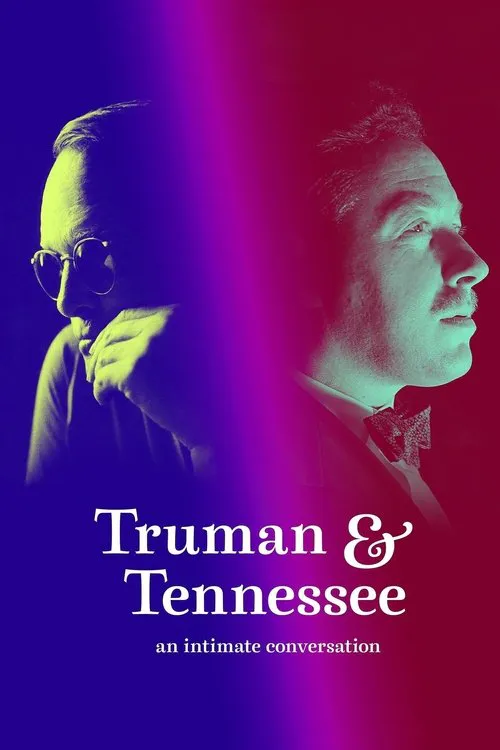
Seventh cousin once removed is novelist and playwright Truman Capote.
-
02
When his body was discovered, a bottle cap was lodged in his throat, with the most likely cause of death being choking while intoxicated.
-
03
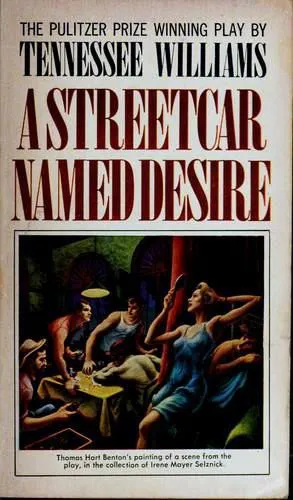
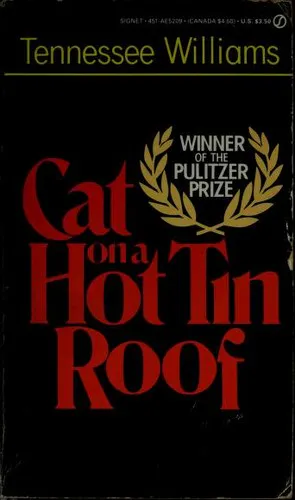
Won the 1948 Pulitzer Prize for Drama for A Streetcar Named Desire and the 1955 Pulitzer Prize for Drama for Cat on a Hot Tin Roof.
-
04
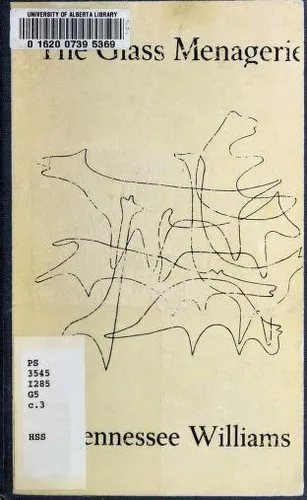
The character Laura in The Glass Menagerie was based on his sister Rose; his distant cousin Rose Diane Lanier, known as actress Diane Ladd, is the mother of Laura Dern.
-
05
Suffered from depression throughout his entire adult life.
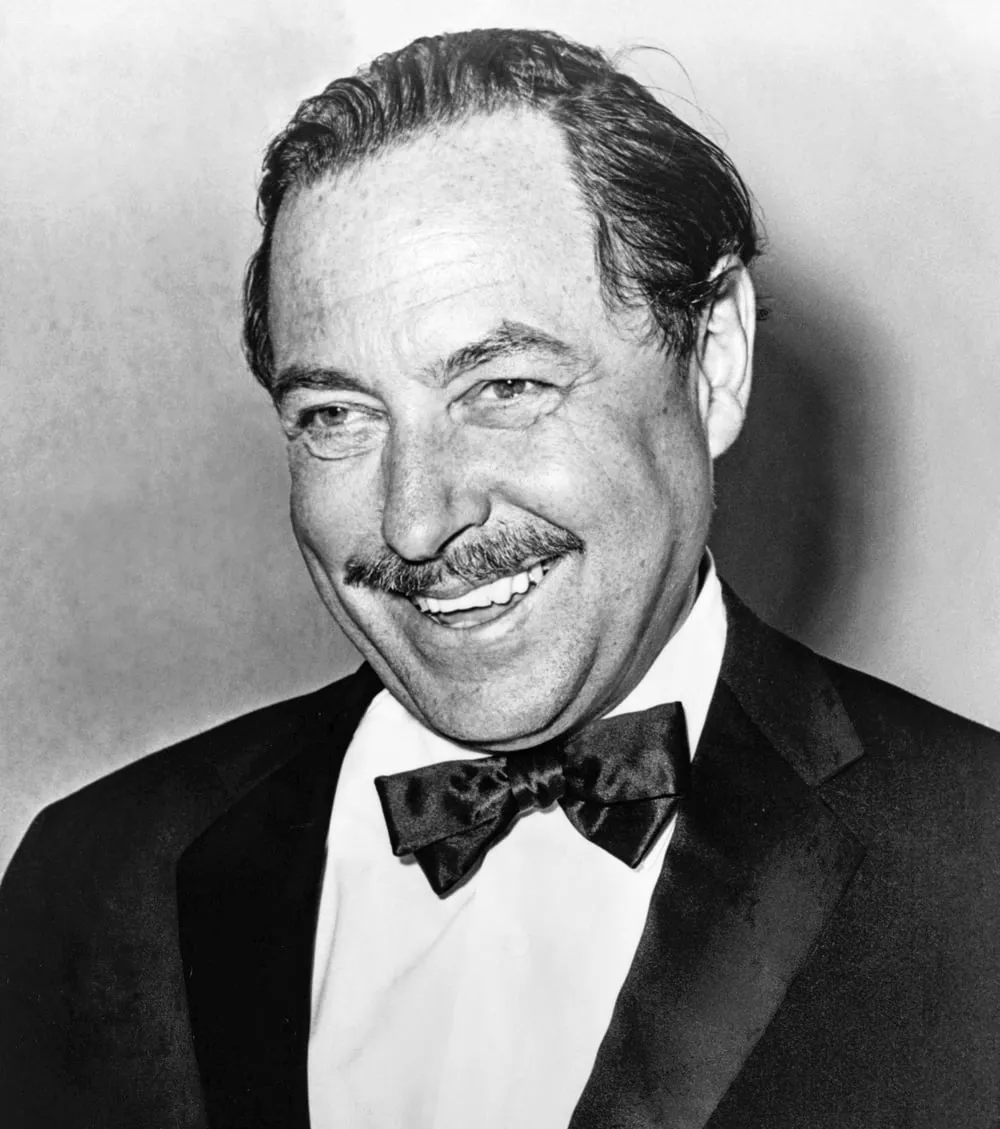
-
06
Claimed he was often mistaken in public for country singer Tennessee Ernie Ford, which he found a relief when his star declined.
-
07
Before the success of The Glass Menagerie, he worked as an usher at the Strand Theatre on 47th Street in New York.
-
08
His play A Streetcar Named Desire performed at the Royal National Theatre: Lyttelton was nominated for a 2003 Laurence Olivier Theatre Award for Best Revival.
-
09
His first theatrical success, The Glass Menagerie, originated from a treatment called The Gentleman Caller submitted to producer Arthur Freed while at MGM in 1941.
-
10
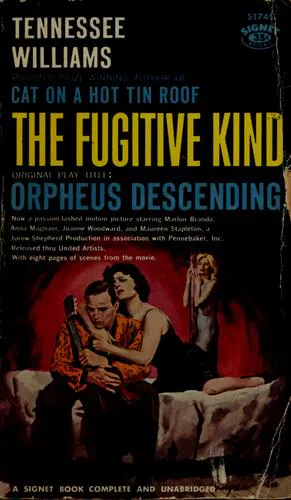
Spent much of his most prolific years in Rome, Italy, and his friendship with Anna Magnani inspired The Rose Tattoo and Orpheus Descending.
-
11
Met long-term partner Frank Merlo in the summer of 1948; Merlo died of lung cancer in fall 1963.
-
12
His plays A Streetcar Named Desire and Suddenly Last Summer were both nominated for the 1973 Joseph Jefferson Award for Best Play Production.
-
13
When writing A Streetcar Named Desire, he had Tallulah Bankhead in mind for Blanche DuBois; Bankhead later played the role in a 1956 Broadway revival.
-
14
His 1980 play Clothes for a Summer Hotel was based on F. Scott Fitzgerald and his wife Zelda.
-
15
Pictured on a 32-cent US commemorative postage stamp in the Literary Arts series, issued October 13, 1995.
-
16
Won the New York Drama Critics’ Circle award for The Glass Menagerie and two Pulitzer Prizes for Drama.
-
17
Won two Tony Awards in 1951 for The Rose Tattoo: Best Author and Best Play; also nominated three times for Best Play.
-
18
Was first cousin to actress Diane Ladd and therefore first cousin once removed to Laura Dern; this relationship is mirrored in The Glass Menagerie and in film collaborations with David Lynch.
-
19
The only authorized biographical book is by Bruce Smith, Costly Performances – Tennessee Williams; The Last Stage, covering 1979-1983.
-
20
Served as head of the jury at the Cannes Film Festival in 1976.
-
21
Earned his B.A. degree from the University of Iowa after being raised in St. Louis, Missouri.
-
22
His play A Streetcar Named Desire at the Writers’ Theatre in Chicago was nominated for a 2010 Joseph Jefferson Award for Production of a Play.
-
23
His play Cat on a Hot Tin Roof at the Mark Taper Forum Theatre in Los Angeles was awarded the 1983 Drama Logue Award for Outstanding Production.
-
24
His play The Mutilated at A Red Orchid Theatre in Chicago was nominated for a 2016 Joseph Jefferson Award for Midsize Play Production.
-
25
Biography appears in Contemporary Authors New Revision Series, Vol. 132, pages 415-428 2005.
-
26
Biography also in The Scribner Encyclopedia of American Lives, Volume One, 1981-1985, pages 882-885 1998.
-
27
Like many aspiring artists in New York, he lived in near poverty before success.
-
28
Close friends noted a change in his behavior during his later years, becoming bitter and angry over failing to produce another hit play.
-
29
His brother attempted to help him with increased drinking but was ultimately unable.