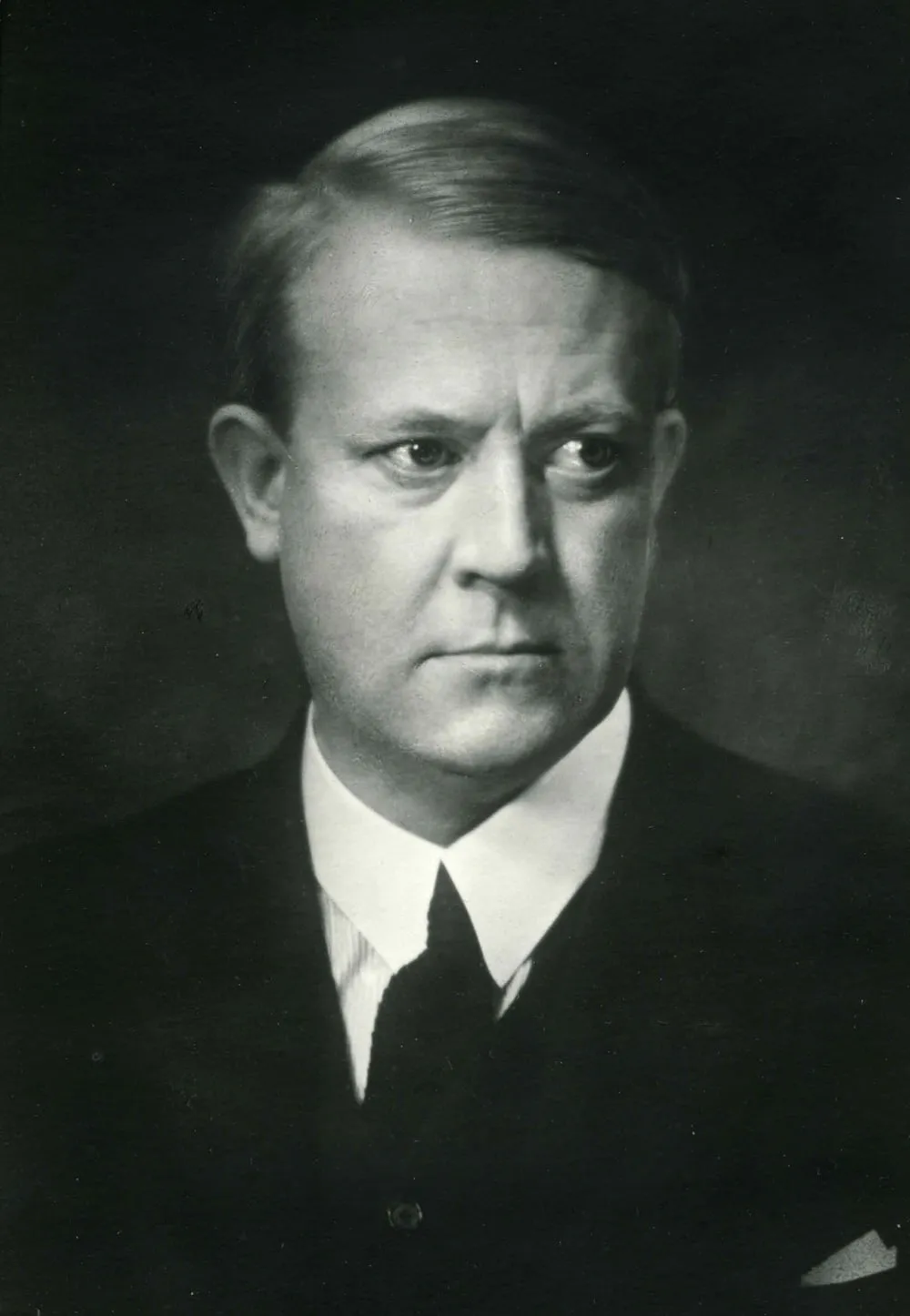
Norway Who is Vidkun Quisling?
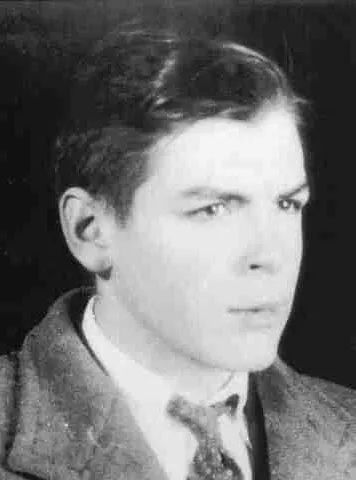
Vidkun Abraham Lauritz Qvisling (later Quisling), born on July 18, 1887, to Jon Lauritz Qvisling and Anna Qvisling, was a Norwegian politician and military officer whose life and actions are inseparable from the tumultuous history of World War II. His name became synonymous with betrayal due to his collaboration with Nazi Germany during their occupation of Norway.
Quisling’s early formative experiences were rooted in a family that valued education and public service. He grew up in Kristiania (now Oslo) and was educated at the Norwegian Military Academy, graduating as an officer in 1908. His military career saw him serving in Russia during World War I, where he was involved in the establishment of the puppet government of Petsamo-Kirkenes.
Returning to Norway, Quisling’s political ambitions began to take shape. He joined the Centre Party but later founded his own party, Nasjonal Samling (National Unity), in 1933. It was during this period that he gained prominence for his far-right ideologies and anti-democratic views.
Quisling’s rise to infamy occurred on April 9, 1940, when Nazi Germany invaded Norway. He attempted a coup d’état with the aim of installing himself as leader under German protection but failed spectacularly. Despite this failure, he continued to collaborate closely with the Nazis during their occupation.
His personal life was marked by two marriages and no children. His first marriage was to Alexandra Voronin in 1916, which ended in divorce. He later married Maria Quisling, his second cousin, in 1927.
The legacy of Vidkun Quisling is one marred by infamy. After the war, he was arrested and convicted of treason. On October 24, 1945, at the age of 58, he was executed by firing squad in Akershus Fortress near Oslo.