-
01
Howard Hawks once took Faulkner and Clark Gable on a hunting trip without telling either who the other was. Gable asked Faulkner who he thought the best writers were, and Faulkner listed Willa Cather, Ernest Hemingway, John Dos Passos, Thomas Mann, and himself. Gable then asked, Oh, do you write, Mr. Faulkner? and Faulkner replied, Yes. And what do you do, Mr. Gable?
-
02
His screenplay for Ernest Hemingway’s novel To Have and Have Not 1944 is the only time in film history that two Nobel Prize-winning authors worked on the same motion picture, though Faulkner and Hemingway had little sympathy for each other.
-
03
After being hired by 20th Century-Fox as a screenwriter, Faulkner sat around the writers building for weeks without doing anything. A producer asked if he had any story ideas, and Faulkner said he could write better at home. The producer agreed, but Faulkner went home to Oxford, Mississippi, not his Hollywood rental.
-
04
The alcoholic Southern novelist-turned-screenwriter W. P. Mayhew in the movie Barton Fink 1991 is based loosely on Faulkner.
-
05
Faulkner frequently worked with Howard Hawks.
-
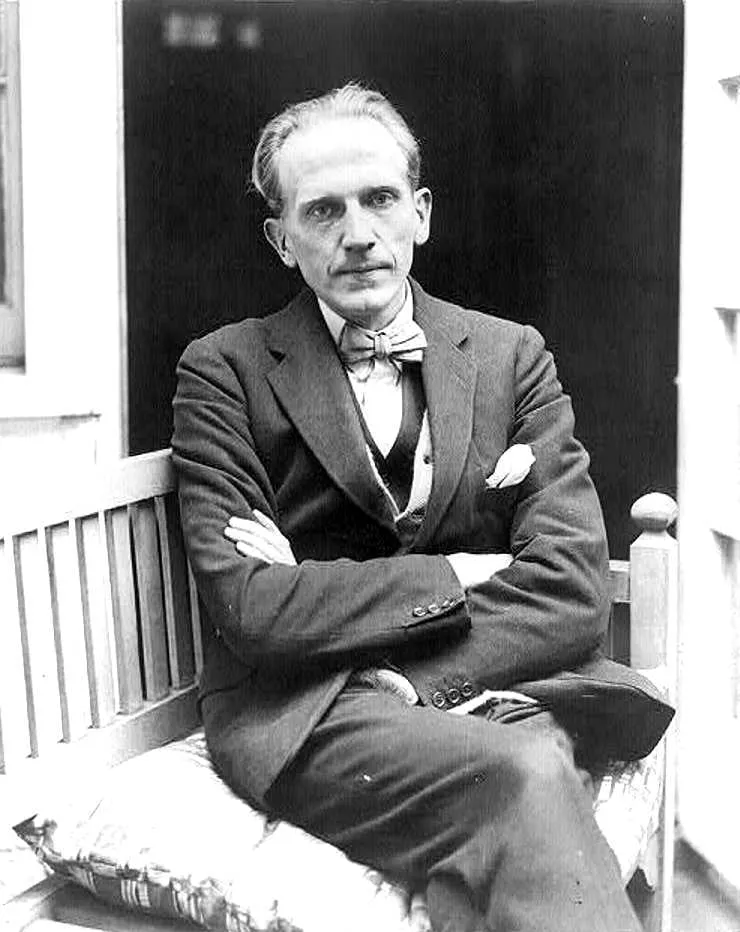
06
While in Hollywood, he was friends with screenwriter A.I. Bezzerides and actor Humphrey Bogart.
-
07
His favorite TV show was Car 54, Where Are You? 1961. Though he despised television, he reportedly visited a friend’s house every Saturday night to watch the cop comedy.
-
08
He was awarded the 1949 Nobel Prize in Literature.
-
09
Faulkner is interred at Saint Peter’s Cemetery in Oxford, Mississippi.
-
10
A short story by Faulkner, Two Soldiers, published in The Saturday Evening Post in 1942, was adapted into a short film that won the 2004 Oscar for Best Live Action Short Film.
-
11
He was close friends with his publisher, Random House owner Bennett Cerf. Faulkner greeted Cerf’s wife, Phyllis Fraser, as Miss Phyllis and called her that forever after.
-
12
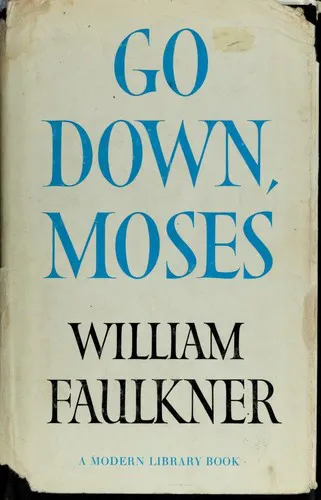
When asked at the University of Virginia why he chose the particular stories for Go Down Moses, Faulkner replied, Well, when we put ’em all together it looked to be the right size for a book.
-
13
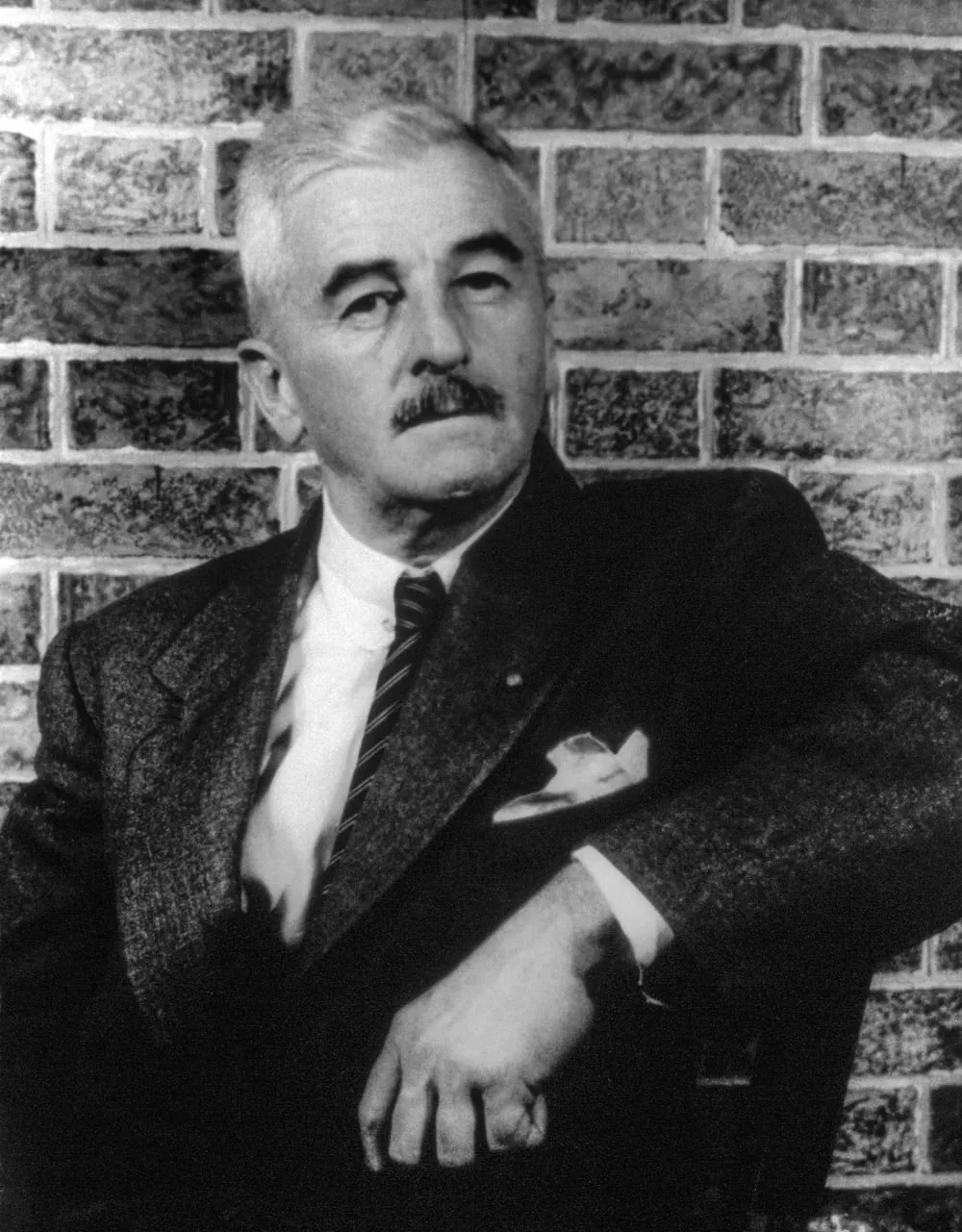
Faulkner is pictured on a 22¢ US commemorative postage stamp in the Literary Arts series, issued August 3, 1987.
-
14
He once worked as a house painter.
-
15
Faulkner served in the Royal Canadian Air Force during World War I. He later tried to enlist in the U.S. Army Air Forces in World War II but was rejected due to age; he instead worked on local civil defense.
-
16
His brother Murry Falkner was an FBI agent who helped hunt down John Dillinger.
-
17
He always turned down offers to write screenplays based on his own books. Despite his long Hollywood relationship, only one of his stories is set there: Golden Land.
-
18
Faulkner was a very private man.
-
19
He was born at 11:00 pm CST.