 United Kingdom
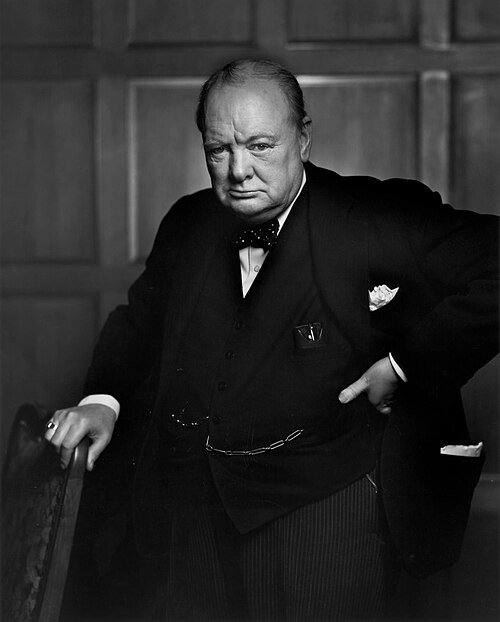
 Who is Winston Churchill?
Winston Leonard Spencer Churchill (November 30, 1874 – January 24, 1965) was one of the most influential figures in modern British history. Born into a family with strong political ties, he rose from a tumultuous early life to become an indomitable leader and statesman.
Churchill was born in Blenheim Palace, Oxfordshire, England, to Lord Randolph Churchill, a prominent Tory politician, and his American-born wife Jeanette Jerome. His father’s influence and the family’s aristocratic background shaped Churchill’s early years, but it also exposed him to the complexities of politics at an early age.
Churchill’s formal education began at St. George’s School in Ascot before he was sent to Harrow School, where his academic performance was initially poor. However, this period of his life set the stage for a transformation into one of the most respected political figures in British history. After leaving school, Churchill joined the 4th Queen’s Own Hussars and saw active service during the Second Boer War.
Churchill entered politics in 1900 as a Conservative MP but later moved to the Liberal Party. His career was marked by significant achievements: he was appointed First Lord of the Admiralty, oversaw the disastrous Gallipoli campaign, which cost him his post temporarily, and played a crucial role in military planning during World War I.
Churchill married Clementine Hozier (later known as Clementine Churchill) on September 12, 1908. Together they had five children: Diana, Randolph, Sarah, Marigold (who died at age two), and Mary Soames. His family life was characterized by a deep mutual support through his political struggles.
Following the outbreak of World War II in 1939, Churchill’s career reached its zenith as he became Prime Minister on May 10, 1940. His oratory skills and unwavering leadership during this period were instrumental in rallying British morale and securing victory over Nazi Germany.
Churchill remained a political figure until his death, receiving the Nobel Prize in Literature in 1953 for his mastery of historical and biographical description as well as brilliant oratory in defending noble causes. He passed away on January 24, 1965, following a stroke.
His enduring legacy is marked by his leadership during World War II, his powerful speeches that inspired a nation, and his contributions to British and world history. His influence continues to shape political thought and action worldwide.
Common Questions
What were Churchill's major roles in government?
Churchill served as First Lord of the Admiralty, Chancellor of the Exchequer, Home Secretary, Prime Minister (twice), and held several other cabinet positions throughout his career.
How did Churchill handle the Battle of Britain?
During World War II, Churchill's leadership was crucial in maintaining British morale during the Battle of Britain. His speeches inspired resilience and determination among the British public and military.
Did Churchill have any children who also became prominent figures?
Randolph Churchill, one of Winston’s sons, served as a Member of Parliament and continued his father's legacy in politics. Mary Soames was known for her work on historical literature.
What is the significance of Churchill's Nobel Prize?
Churchill received the Nobel Prize in Literature in 1953 for his mastery of historical and biographical description, as well as brilliant oratory that defended noble causes.
How did World War II shape Churchill’s political career?
World War II was a turning point for Churchill. His appointment as Prime Minister on May 10, 1940, marked the beginning of his most significant period in office and established him as a national leader during wartime.