 Germany
 Who is Wilhelm Ii?
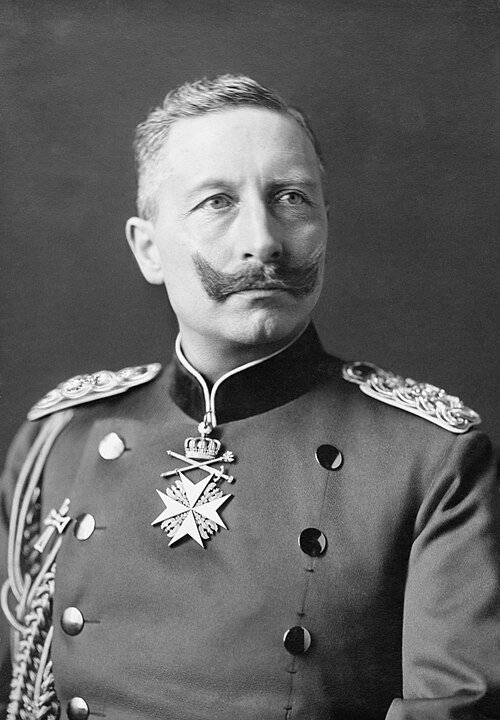
Friedrich Wilhelm Viktor Albert von Preußen, widely recognized by the moniker Wilhelm II, was a pivotal figure in European history who ruled as the last German Emperor and King of Prussia for three decades. Born on January 27, 1859, to Princess Victoria of Great Britain and Frederick III of Germany, Wilhelm’s reign marked significant periods of imperial expansionism and military buildup that led Europe into World War I.
Wilhelm II’s upbringing was shaped by the House of Hohenzollern, a lineage steeped in Prussian military tradition. His father, Frederick III, ascended to the throne briefly after the death of Wilhelm’s grandfather, William I, in 1888. As Prince and later Emperor, Wilhelm received a rigorous education that included time at the University of Bonn, where his studies were cut short by his sudden rise to power following his father’s illness.
Ascending to the throne on March 15, 1888, Wilhelm II navigated the complex political landscape of late nineteenth-century Europe with a mix of ambition and impulsiveness. His rule was marked by significant military reforms that transformed Germany into one of the most powerful nations in Europe. However, his aggressive foreign policy and support for Austria-Hungary during the Balkan crisis were instrumental in leading Europe towards the catastrophic events of 1914.
Wilhelm II married Augusta Victoria of Schleswig-Holstein in 1881. They had seven children together: Wilhelm, German Crown Prince; Adalbert, Oskar, Joachim, as well as Princesses Victoria Louise and Margaret. His personal life was also filled with familial tensions and political intrigue, particularly following the outbreak of World War I.
With his abdication on November 9, 1918, Wilhelm II’s influence waned dramatically. He died in exile in the Netherlands on June 4, 1941, leaving behind a legacy marked by both achievement and controversy. Despite being nominated for the Nobel Peace Prize multiple times during his reign, Wilhelm’s leadership is most remembered for its role in precipitating one of history’s bloodiest conflicts.
Common Questions
What was Wilhelm II's early life like?
Wilhelm II was born on January 27, 1859. His upbringing within the House of Hohenzollern exposed him to a strict military tradition and political intrigues.
How did Wilhelm II become German Emperor?
Following his grandfather's death in March 1888, Wilhelm’s father Frederick III ascended to the throne but ruled for only three months before dying from cancer. At age 29, Wilhelm became German Emperor and King of Prussia.
What were some key achievements during Wilhelm II's reign?
Wilhelm II reformed Germany's military, making it one of the world’s most powerful forces by the early 1900s. However, his aggressive foreign policies contributed to the outbreak of World War I in 1914.
What was Wilhelm II's family life like?
Wilhelm II married Augusta Victoria of Schleswig-Holstein and had seven children together. Their marriage faced challenges due to political tensions and personal disagreements during his reign.
How did Wilhelm II die?
After being forced into exile following Germany's defeat in World War I, Wilhelm II died on June 4, 1941, at the age of 82, in the Netherlands.