 Germany
 Who is Richard Wagner?
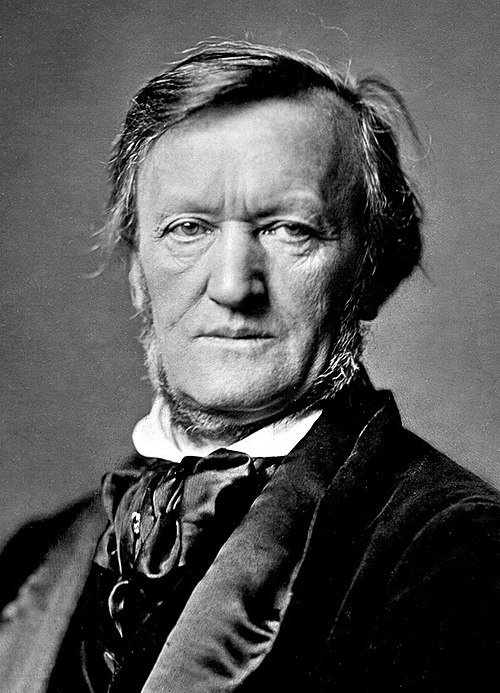
Richard Wagner (Wilhelm Richard Wagner, May 22, 1813 – February 13, 1883) was a German composer and conductor who left an indelible mark on the world of music. His innovative approach to opera reshaped the genre, making him one of the most influential figures in classical music.
Wagner was born in Leipzig to Carl Friedrich Wagner and Johanna Rosina Wagner-Geyer. The family moved frequently during Richard’s childhood, which exposed him to various cultural influences. Early on, he showed a keen interest in music but struggled with formal education, often skipping classes to pursue his musical interests.
His career took off in the 1840s when he began composing operas that challenged traditional forms and conventions. Works like Lohengrin (premiered in 1850) and Tannhäuser (1845) gained critical acclaim, but it was his monumental tetralogy, The Ring of the Nibelung, which premiered between 1876 and 1882 at the Bayreuth Festival Theatre he founded for his works, that truly cemented his legacy.
Wagner’s personal life was as tumultuous as his career. He married Cosima Liszt, daughter of composer Franz Liszt, in 1870 after a long affair and the birth of two children together—Siegfried (born in 1869) and Isolde (born in 1872). Prior to marrying Cosima, he had a relationship with Minna Planer, who was his companion for many years before they divorced.
Wagner’s impact on music extends beyond the stage; his theories about drama, art, and society continue to influence musicians and thinkers today. Despite controversy surrounding his political views and personal life, Wagner’s contributions to classical music are unparalleled.
Common Questions
What was Richard Wagner's early musical training?
Wagner received informal musical education through self-study and practical experience rather than formal schooling.
When did 'The Ring of the Nibelung' premiere?
The Ring of the Nibelung premiered in three parts between 1876 and 1877, with the final part premiering in 1882 at Bayreuth Festival Theatre.
Who were Richard Wagner's children?
Wagner had two children with his second wife Cosima: Siegfried (born in 1869) and Isolde (born in 1872).
How did Richard Wagner die?
Richard Wagner died on February 13, 1883, in Venice from a myocardial infarction.
What is the legacy of Richard Wagner?
Wagner's legacy lies in his innovative approach to opera and music drama, which influenced generations of composers and musicians. His works continue to be performed worldwide.