 United States
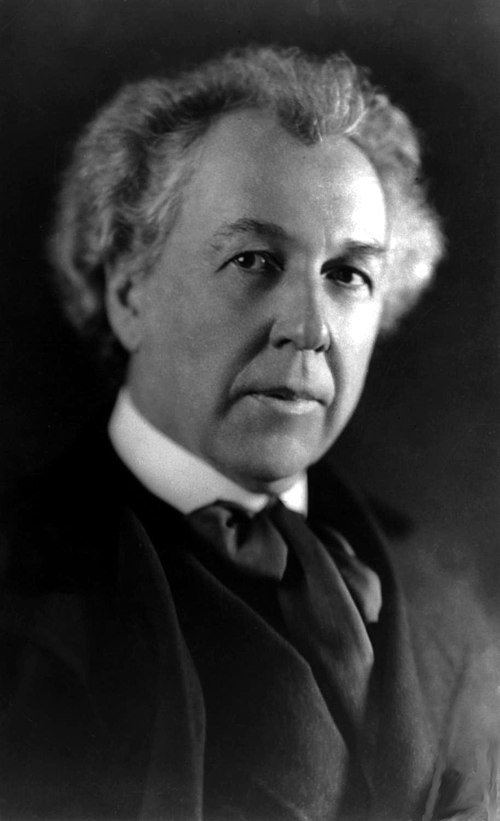
 Who is Frank Lloyd Wright?
Frank Lloyd Wright (born Franklin Lincoln Wright; June 8, 1867 – April 9, 1959) was a pioneering American architect whose innovative approach to design and dedication to organic architecture left an indelible mark on modern architectural thought. Growing up in rural Wisconsin, Wright’s early years were marked by a unique blend of academic rigor at the University of Wisconsin–Madison and a deep connection with nature.
Born into a family that valued education and creativity—his mother, Anna Lloyd Jones Wright, was instrumental in fostering his interest in architecture—Wright found himself drawn to the structural and aesthetic possibilities of buildings from an early age. Despite initial hesitations about his future path, he eventually moved to Chicago where he began his architectural apprenticeship.
His career flourished with the design of iconic structures such as the Robie House (1908) and Fallingwater (1935), which epitomized his philosophy that buildings should harmonize with their surroundings. Wright’s influence extended beyond architecture to include furniture, textiles, and even urban planning. His work on Broadacre City in 1932 proposed a decentralized community model based on the automobile.
Wright’s personal life was as intricate as his architectural designs. He married three times: Catherine Tobin (1889), Olgivanna Lloyd Wright (1924), and Miriam Noel (1925). His relationship with Mamah Borthwick Cheney, a client’s wife, caused significant scandal but also inspired some of his most creative works. Despite personal upheavals, he continued to innovate and mentor younger architects until the end of his life.
Frank Lloyd Wright passed away on April 9, 1959, in Phoenix, Arizona, due to postoperative complications from a gallbladder operation. His legacy is celebrated not only for his aesthetic contributions but also for challenging conventional norms in architecture and design.
Common Questions
What was Frank Lloyd Wright's childhood like?
Wright grew up in rural Wisconsin, where he developed an early appreciation for nature and craftsmanship. His mother, Anna Lloyd Jones Wright, encouraged his interest in art and design.
Where did Frank Lloyd Wright study architecture?
Although Wright dropped out of the University of Wisconsin–Madison after two years, he gained practical experience through apprenticeships in Chicago.
What are some of Frank Lloyd Wright's most famous buildings?
Wright is known for designing structures like Fallingwater (1935) and the Robie House (1908), which exemplify his innovative use of materials and integration with nature.
What was Broadacre City?
Broadacre City (1932) was a concept plan by Wright that proposed a decentralized community model based on the automobile, reflecting his ideas about urban planning.
How many times did Frank Lloyd Wright get married?
Frank Lloyd Wright married three times: Catherine Tobin in 1889, Miriam Noel in 1925, and Olgivanna Lloyd Wright in 1924.