 United Kingdom
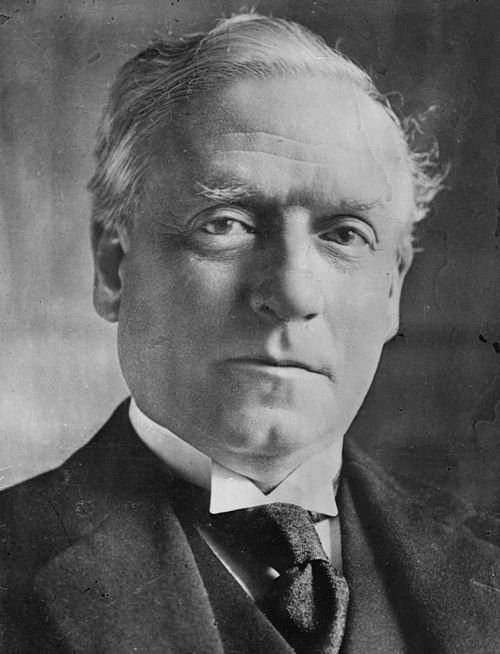
 Who is H. H. Asquith?
Herbert Henry Asquith (September 12, 1852 – February 15, 1928) was one of the most influential figures in early 20th-century British politics. Born into a middle-class family in Morley, Yorkshire, Asquith’s formative years were shaped by his father Joseph Dixon Asquith, a Methodist minister who instilled in him a strong sense of duty and public service. After attending Leeds Grammar School, Herbert secured a place at Balliol College, Oxford, where he excelled academically.
Asquith’s political career was marked by significant milestones. He began his legal training at the City Law School in London before entering Parliament as a Liberal Member of Parliament for East Fife in 1886. Over the next two decades, Asquith rose through the ranks, becoming Chancellor of the Exchequer in 1905 and eventually Prime Minister in 1908. His tenure was notable for his efforts to pass social reform legislation, including the People’s Budget, which introduced new taxes on land and property to fund social welfare programs.
Asquith married Margot Asquith in 1894, a union that produced several children, including Raymond and Violet Bonham Carter. His political career was also marked by significant achievements such as the passage of the Parliament Act 1911, which curtailed the power of the House of Lords over financial legislation. However, Asquith’s government faced increasing pressure during World War I, leading to his resignation in 1916.
After leaving office, Asquith continued to be an influential figure in British politics and society until his death from a stroke on February 15, 1928. His legacy is one of progressive reform and political leadership during a time of great national challenge.
Common Questions
What were some key achievements of Herbert Henry Asquith?
As Prime Minister, Herbert Henry Asquith led the passage of significant social reforms such as the People's Budget in 1909 and the Parliament Act 1911. He was also instrumental in establishing national insurance for workers.
How did World War I impact Asquith’s political career?
World War I posed severe challenges to Asquith's government, leading to a loss of public confidence and internal party tensions. Ultimately, this resulted in his resignation as Prime Minister in 1916.
Who were some notable family members of Herbert Henry Asquith?
Herbert Henry Asquith had several children from his marriage to Margot Asquith, including Raymond Asquith and Violet Bonham Carter. His daughter Elizabeth Bibesco was a noted writer and diplomat.
What legal education did Herbert Henry Asquith receive?
Asquith studied law at the City Law School in London after completing his undergraduate studies at Balliol College, Oxford.
How long was Herbert Henry Asquith Prime Minister of Britain?
Herbert Henry Asquith served as Prime Minister from 1908 to 1916, a period marked by significant political and social reforms in early 20th-century Britain.