 Germany
 Who is Helmut Schmidt?
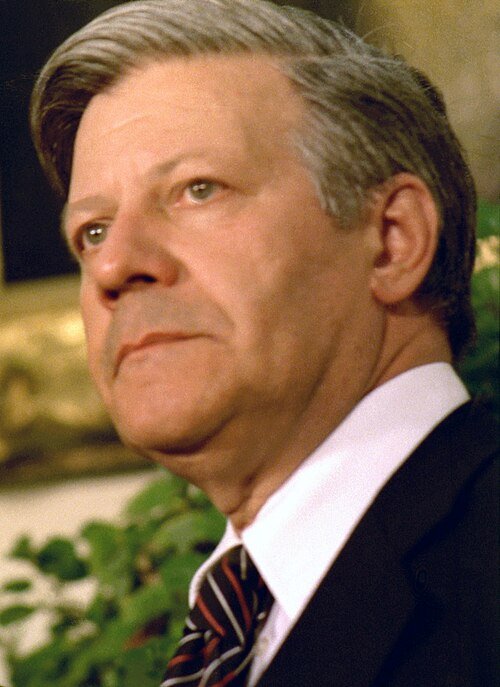
Helmut Heinrich Waldemar Schmidt (December 23, 1918 – November 10, 2015) was a towering figure in post-war German politics and a key architect of the country’s economic and social policies. His tenure as Chancellor of West Germany from December 17, 1974 to October 15, 1982 marked a period of significant domestic reform and international diplomacy.
Helmut Schmidt was born in Hamburg, Germany during World War I. The son of Gustav Ludwig Schmidt and Ludovica Schmidt, he grew up in the tumultuous political climate that followed the Weimar Republic’s collapse. His formative years were marked by economic hardship and political instability, experiences which later influenced his career as a social democrat.
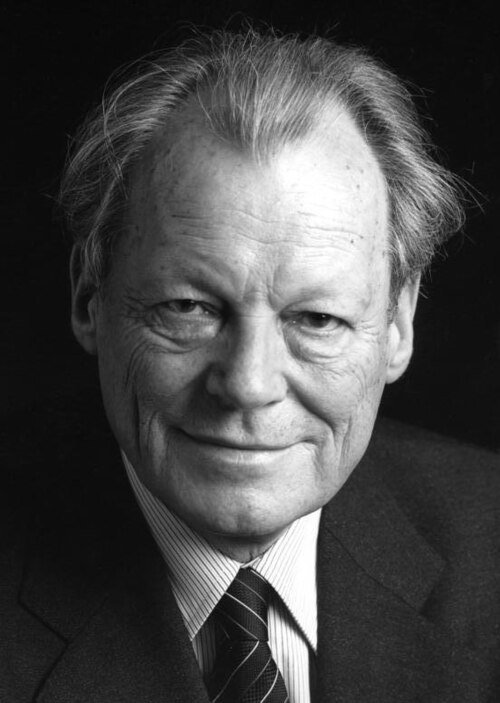
After studying economics at the University of Hamburg, Schmidt joined the Social Democratic Party of Germany (SPD) and rose through its ranks. He served in various government positions before becoming Minister of Defense from 1969 to 1972 under Chancellor Willy Brandt. His appointment as Chancellor came following a scandal that led to Brandt’s resignation.
As Chancellor, Schmidt faced numerous challenges including the Cold War tensions and economic recessions. He was known for his pragmatic approach, balancing social welfare with fiscal discipline. Notable achievements include the creation of the European Monetary System in 1978 which stabilized currency exchange rates among member states.
In his personal life, Helmut Schmidt married Loki von Röben in 1943; they remained together until her death in 2015. They had one daughter named Susanne who became a successful journalist and writer herself. Outside of politics, Schmidt was an avid reader and writer, publishing several books on political economy.
Helmut Schmidt passed away at the age of 96 due to complications from peripheral artery disease, leaving behind a legacy that profoundly shaped Germany’s modern history. His tenure as Chancellor is remembered for its economic reforms and his role in shaping Europe’s post-war recovery.
Common Questions
What was Helmut Schmidt's early political career like?
Schmidt joined the Social Democratic Party of Germany (SPD) after studying economics at the University of Hamburg. He quickly rose through party ranks and served in various government positions before becoming Minister of Defense from 1969 to 1972.
How did Helmut Schmidt become Chancellor?
Schmidt became Chancellor following a scandal that led to his predecessor Willy Brandt's resignation on May 7, 1974. He was elected by the Bundestag and officially took office as Chancellor of West Germany on December 17, 1974.
What were some key policies during Schmidt's chancellorship?
Schmidt focused on economic stability and social welfare while maintaining fiscal discipline. Notable policies included the creation of the European Monetary System in 1978 to stabilize currency exchange rates among member states.
Did Helmut Schmidt have any children?
Helmut Schmidt married Loki von Röben and they had one daughter, Susanne, who became a successful journalist and writer.
What is the legacy of Helmut Schmidt's chancellorship?
Schmidt’s tenure as Chancellor is remembered for economic reforms and his role in shaping Europe’s post-war recovery. His pragmatic approach to balancing social welfare with fiscal discipline left a lasting impact on German politics.