 Russia
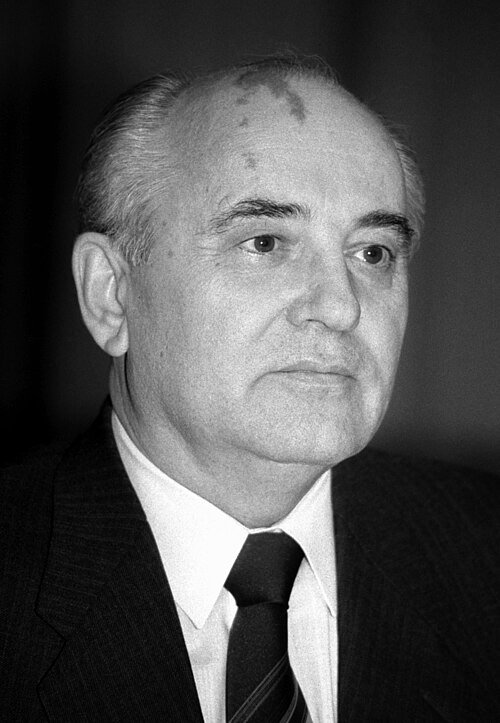
 Who is Mikhail Gorbachev?
Mikhail Sergeyevich Gorbachev, the last leader of the Soviet Union and a key figure in shaping modern Russian history, passed away on August 30, 2022. Born on March 2, 1931, in Privolnoye, Stavropol Krai, his upbringing was marked by hardship during World War II but also by the hope of a better future under Soviet rule.
Gorbachev’s journey to prominence began with his education at Moscow State University where he studied law. His career took off as he quickly ascended through the ranks of the Communist Party, serving in various roles including First Secretary of the Komsomol and then First Secretary of the CPSU Central Committee Secretariat.
His tenure as General Secretary of the Soviet Union’s Communist Party from 1985 until its dissolution in 1991 was marked by transformative policies such as glasnost (openness) and perestroika (restructuring), which aimed to reform the Soviet system. These efforts led to significant political liberalization, but also contributed to the collapse of the Soviet Union itself.
On a personal note, Gorbachev married Raisa Titarenko in 1953; they had one daughter together, Irina Virganskaya. His relationship with his wife was central throughout their lives, and she often accompanied him on official trips, becoming an influential figure in her own right.
His legacy is complex, characterized by efforts to modernize the Soviet Union while inadvertently accelerating its demise. Gorbachev’s death at 91 marked the end of an era; his life spanned a period of immense political upheaval and transformation that reshaped global geopolitics.
Common Questions
What were Mikhail Gorbachev's key policies?
Gorbachev introduced glasnost, which encouraged openness in government, and perestroika to revitalize the Soviet economy. These reforms aimed at modernizing the USSR but led to political upheaval.
When did Mikhail Gorbachev become General Secretary of the Communist Party?
Gorbachev became General Secretary on March 11, 1985, succeeding Konstantin Chernenko.
How did Raisa Gorbachev contribute to her husband's political career?
Raisa Gorbachev was a strong intellectual and supporter. She often accompanied Mikhail on foreign trips and played an active role in his public appearances, contributing to the image of reform within the Soviet Union.
What were some major achievements during Gorbachev's time as leader?
Gorbachev initiated significant reforms including glasnost and perestroika. He also signed arms reduction treaties with the United States, easing Cold War tensions.
How did Mikhail Gorbachev's policies lead to the dissolution of the Soviet Union?
While aiming for economic reform and political openness, Gorbachev's policies inadvertently weakened central control over constituent republics. This led to increased independence movements and ultimately the collapse of the USSR in 1991.