United Kingdom Who is Charles Kingsley?
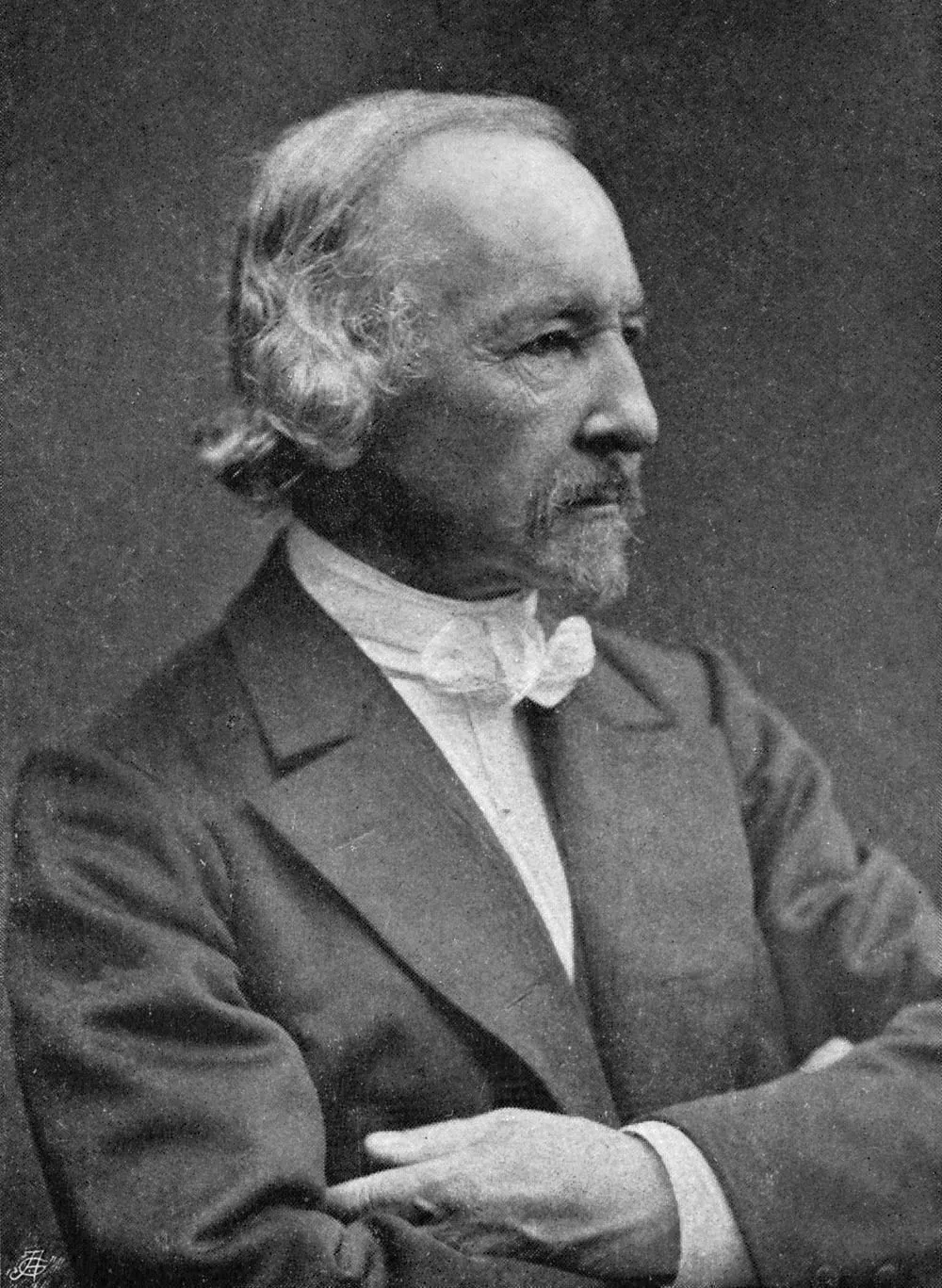
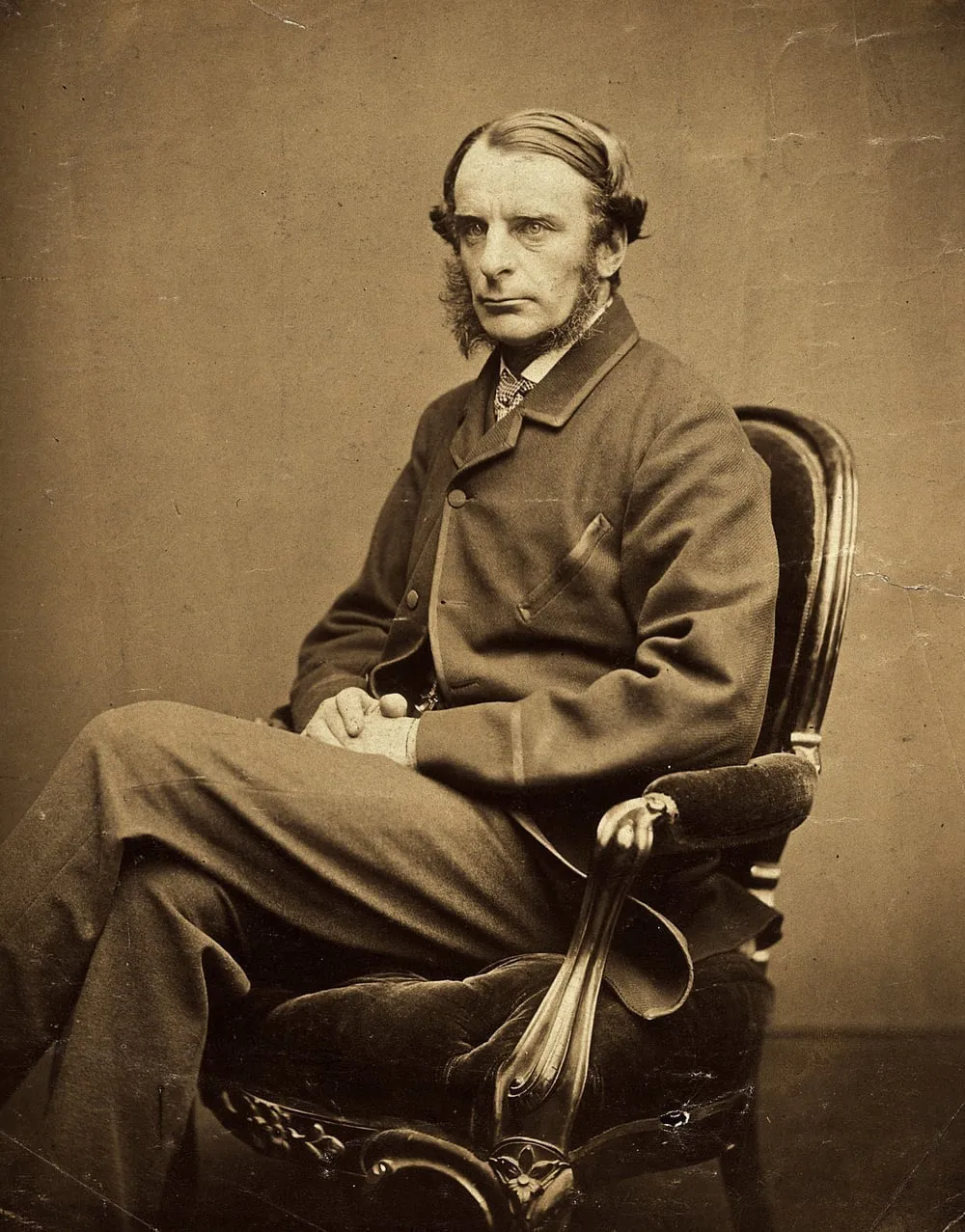
Charles Kingsley, a pivotal figure in Victorian literature and theology, was born on June 12, 1819. He grew up in Devonshire amidst a family deeply entrenched in intellectual pursuits and religious fervor. His father, also named Charles, served as the vicar of Eversley, a setting that would later inspire many of Kingsley’s works.
From an early age, Kingsley was immersed in literature and academia. He studied at King’s College London and Magdalene College, Cambridge, where he honed his skills as both an essayist and a historian. His education laid the groundwork for his future career, which saw him rise to prominence through his engaging novels and sermons that critiqued social injustices.
Kingsley’s most notable achievements include the publication of ‘The Water-Babies’ in 1863, a children’s novel that uses imaginative storytelling to explore themes of social reform. He was also an influential figure at Cambridge University as Professor of Modern History from 1860 to 1869 and served as Canon of Westminster from 1873 until his death. His writings often addressed contemporary issues such as industrialization, poverty, and the place of Christianity in modern society.
On a personal front, Kingsley married Frances Grenfell in 1845, with whom he had several children including Lucas Malet, who later became an author under her own name. His family life was marked by a mix of domestic tranquility and intellectual engagement; his siblings Henry, Charlotte Chanter, and George Henry were also writers and scholars.
Charles Kingsley passed away on January 23, 1875, leaving behind a legacy that transcends the boundaries of literature. His works continue to be celebrated for their blend of moral instruction and imaginative storytelling, as well as for his contributions to social reform during the Victorian era.