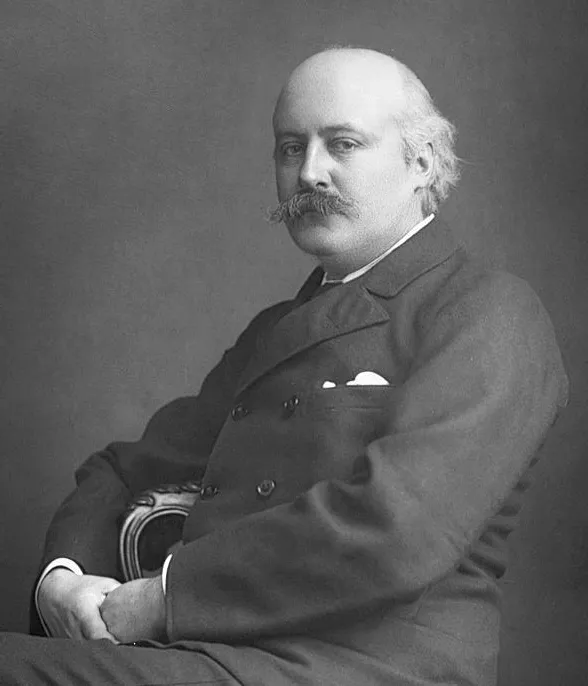
Hubert Parry Profile & Biography

Hubert Parry

Born: February 27, 1848
Died: October 7, 1918
Charles Hubert H. Parry, a British composer and musicologist, flourished from the late 19th to early 20th century, leaving an enduring legacy in classical music

Who is Hubert Parry?

Hubert Hastings Parry (February 27, 1848 – October 7, 1918), known by his aliases Charles Hubert H. Parry and C. Hubert H. Parry, was a towering figure in British classical music during the late 19th and early 20th centuries. His work as both a composer and a professor at the Royal College of Music significantly shaped the landscape of Western musical tradition.

Parry was born into an aristocratic family with deep roots in the cultural and intellectual circles of England. His mother, Anna Maria Isabella Fynes-Clinton, and father, Thomas Gambier Parry, provided a nurturing environment that encouraged academic exploration and creativity from an early age. Growing up on the family estate in Shropshire, he was exposed to a world rich with artistic pursuits and social engagement.

His educational journey began at Eton College, where his passion for music intensified under the tutelage of eminent teachers. Parry later attended Exeter College, Oxford, though his studies there were interrupted by health issues that often plagued him throughout his life. Despite these challenges, he continued to compose and refine his skills in composition.

Parry’s career took off in earnest when he began teaching at the Royal College of Music in London. He quickly gained recognition for his innovative approach to music education and his prolific output as a composer. Among his most notable works are ‘I Was Glad’ (1897), which has become a standard part of British coronation ceremonies, and his oratorio ‘Judith,’ completed in 1906.

His personal life was marked by the stability provided through his marriage to Elizabeth Maude Herbert. Together they had two children: Dorothea Ponsonby and Gwendolen Maud Parry Greene. The family formed a supportive backdrop for Parry’s professional endeavors, allowing him to focus on his work while raising his family.

Tragically, Hubert Hastings Parry passed away at the age of 70 from influenza during the pandemic that swept through Europe in 1918. Despite his relatively early death, his contributions to music education and composition have left an indelible mark on British culture, securing his place among the most influential figures in late Victorian and Edwardian musical history.

Common Questions

Where was Hubert Hastings Parry born?
Hubert Hastings Parry was born at the family estate in West Park, Shropshire, England.
What were some of his most important works as a composer?
Some of his most notable compositions include 'I Was Glad' (1897), which is used regularly in British coronation ceremonies, and 'Judith,' an oratorio completed in 1906.
How did Hubert Hastings Parry contribute to music education?
Parry was a professor at the Royal College of Music where he introduced innovative methods of teaching composition and theory.
Did Hubert Hastings Parry face any health issues during his life?
Yes, Parry faced numerous health problems throughout his life that often interrupted his studies and work. Despite these challenges, he continued to compose prolifically.
What was the legacy of Charles Hubert H. Parry after his death?
His legacy includes significant contributions to British classical music, including compositions like 'I Was Glad' and his role in shaping music education at the Royal College of Music.

People Also Viewed