 United Kingdom
 Who is Edward Bulwer-Lytton?
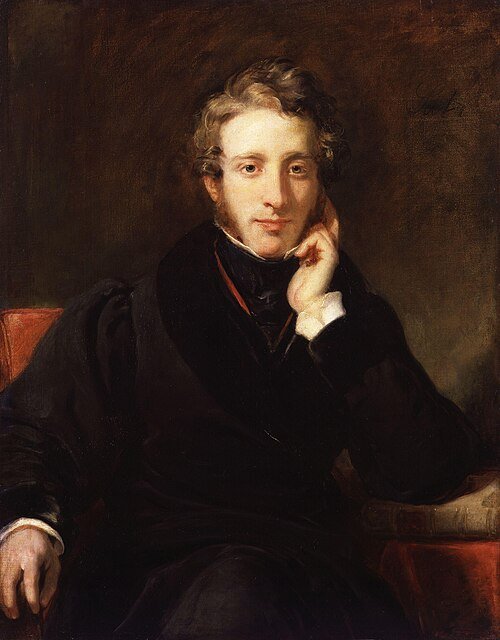
Edward George Earle Lytton Bulwer-Lytton, better known as Edward Bulwer-Lytton (May 25, 1803 – January 18, 1873), was a prominent figure in Victorian literature and politics. His prolific career spanned over five decades during which he authored numerous novels, plays, essays, and political treatises.
Born into an aristocratic family, Bulwer-Lytton’s early life was marked by privilege and education at Trinity College, Cambridge. However, his father’s financial troubles led to a period of hardship that deeply influenced him. Despite these challenges, he established himself as a leading literary figure with works like The Last Days of Pompeii (1834), which captured the imagination of Victorian readers.
In 1827, Bulwer-Lytton entered politics and was elected to Parliament where he held several influential positions. His political career paralleled his literary one, with him often using literature as a means to explore social issues and critique contemporary institutions.
On the personal front, Bulwer-Lytton’s life was marked by significant relationships and family responsibilities. He married Rosina Wheeler in 1827; they had a daughter named Emily. His personal life was not without its controversies, including a much-discussed affair with Lady Charlotte Guest.
Bulwer-Lytton’s legacy extends beyond his voluminous literary output. His work often tackled themes of democracy, nationalism, and the nature of power, which resonated widely in Victorian society. Despite criticisms towards the end of his life over stylistic excesses—leading to a satirical novel prize named after him—he remains an influential figure who shaped both literature and political discourse during his time.
Edward Bulwer-Lytton passed away on January 18, 1873, leaving behind a rich body of work that continues to be studied for its historical context and narrative innovation. His contributions to English literature and politics ensured him a place among the leading figures of the Victorian era.
Common Questions
What are some of Edward Bulwer-Lytton's most famous works?
The Last Days of Pompeii (1834) is one of his best-known novels, but he also wrote influential political essays and plays.
How did Edward Bulwer-Lytton contribute to politics?
He entered Parliament in 1827 and held several positions including Under-Secretary of State for Foreign Affairs. His work often intertwined literature with social commentary on political issues.
What were some challenges Edward Bulwer-Lytton faced early in life?
His father’s financial troubles during his youth influenced him deeply, shaping his views and later works.
When did Edward Bulwer-Lytton become Baron Lytton?
He was created a baron in 1866 by Queen Victoria, taking the title of Lord Lytton.
How did people view Edward Bulwer-Lytton's writing style later in his career?
Toward the end of his life, he faced criticism for overly ornate and complex prose, leading to a satirical novel prize named after him.
Who was Rosina Bulwer Lytton?
Rosina Wheeler married Edward Bulwer-Lytton in 1827; they had one daughter together named Emily.
What kind of political issues did Edward Bulwer-Lytton address through his writings?
He wrote extensively on democracy, nationalism, and the nature of power, often using literature to critique contemporary institutions and social norms.