 United States
 Who is Henry James?
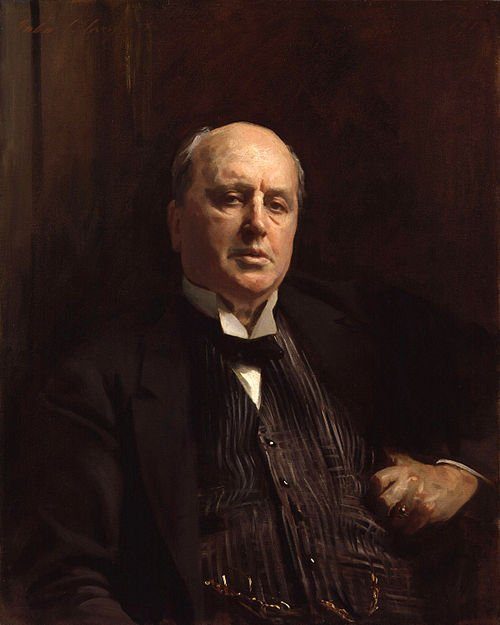
Henry James, born April 15, 1843, in New York City, was one of the most influential writers of the late Victorian era. His work, characterized by psychological depth and social commentary, made him a leading voice in American literature.
The eldest son of Henry James Sr., an intellectual with strong opinions on religion and politics, James grew up surrounded by ideas. He had two siblings: William, who would become a renowned psychologist and philosopher, and Alice, a writer of personal journals that offer insight into her brother’s literary development. Early travels to Europe exposed James to diverse cultures, shaping his worldview.
James began writing seriously in the 1860s and established himself as a major novelist by the early 1870s with works such as Daisy Miller. His reputation grew further with novels like The Portrait of a Lady (1881) and The Wings of the Dove (1902). By the late 1890s, he was among the most respected writers in both Britain and America. In 1915, James was nominated for the Nobel Prize in Literature, a testament to his global influence.
Though James never married, he maintained close relationships with several individuals, including Constance Fenimore Woolson, an American novelist who influenced his work, and Hendrik Christian Andersen, though no evidence supports that they were romantically involved. He spent much of his adult life in Europe, where he observed the cultural clashes between Americans and Europeans, which became a central theme in his novels.
Henry James passed away on February 28, 1916, due to complications from a stroke. His legacy continues to inspire scholars and readers around the world, with his works remaining relevant for their exploration of moral complexity and aesthetic refinement.
Common Questions
What were some of Henry James's formative experiences?
James’s early travels to Europe exposed him to diverse cultures, which deeply influenced his worldview. His father was a prominent thinker on religion and politics, shaping the intellectual environment in which he grew up.
How did Henry James achieve prominence as a writer?
James began writing seriously in the 1860s and gained recognition with Daisy Miller. By the early 1870s, his reputation was established. Key works like The Portrait of a Lady (1881) and The Wings of the Dove (1902) cemented his status as one of America's leading writers.
Did Henry James marry or have children?
Henry James never married nor had children. He was close to several individuals, including Constance Fenimore Woolson and Hendrik Christian Andersen, though no evidence supports a romantic relationship with the latter.
What is the significance of Henry James's nomination for the Nobel Prize in Literature?
James’s 1915 nomination for the Nobel Prize in Literature highlights his global influence and recognition. While he did not win, it underscores his importance as one of America’s most respected authors.
How did Henry James's early travels impact his writing?
Early trips to Europe exposed James to diverse cultures and ideas, which profoundly influenced his worldview. His experiences abroad are reflected in his literary works that often explore cultural differences and the social dynamics between Americans and Europeans.