-
01
A 1919 accident with a prop bomb, which turned out to be a real bomb, cost him his thumb and forefinger of his right hand. In subsequent films, he wore a glove and prosthetic device to hide it. He was able to do many of his gags convincingly afterward, employing a stunt man for serious stunts.
-
02
Lloyd was once one of the 10 richest entertainers in the world.
-
03
His home, Greenacres, has 44 rooms, 26 bathrooms, 12 fountains, 12 gardens and is listed on the National Register of Historic Places. His home was also used as the exterior of Jack Woltz’s home in The Godfather 1972.
-
04
He was the visual inspiration for the original illustrations of the superhero Superman/Clark Kent created in 1938. Lloyd was 45 years old at the time, and he was modeled for Clark Kent’s identity, while Superman’s identity was modeled after Douglas Fairbanks. Lloyd’s glasses character was the inspiration because like that character, Lloyd found that he could hide his identity simply by taking off the glasses.
-
05
Lloyd was one of the 36 founders of the Academy of Motion Picture Arts and Sciences.
-
06
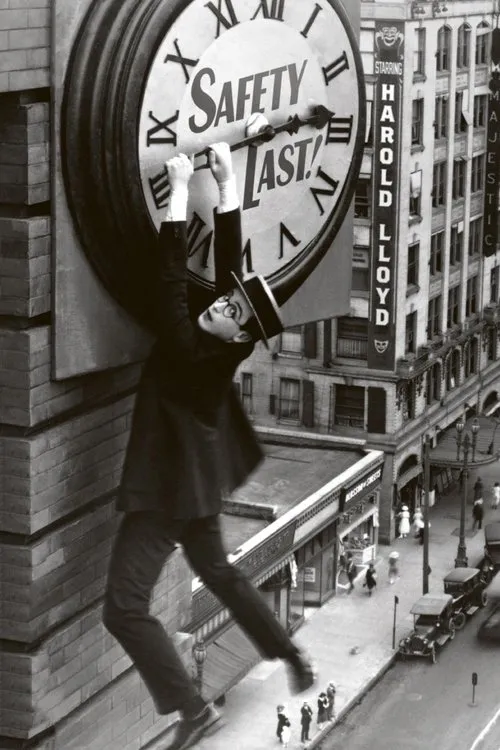
A story about Lloyd involves him and composer Gaylord Carter during the scoring of Safety Last! for a re-release. Lloyd was present during the recording session. During the sequence where he is scaling the side of a building and loses his grip to catch hold of the hands of a clock, Carter at the organ swung into the song Time on My Hands, which prompted Lloyd to give Carter a mock stern glance and declare that he would do the jokes.
-
07
Parts of Westworld were shot at his estate Greenacres. He wanted his home preserved in some capacity related to his career, but his will provided no funding for the enormous estate. His heirs briefly opened it as a tourist attraction and filming location but this did not generate adequate income, and it was later sold.
-
08
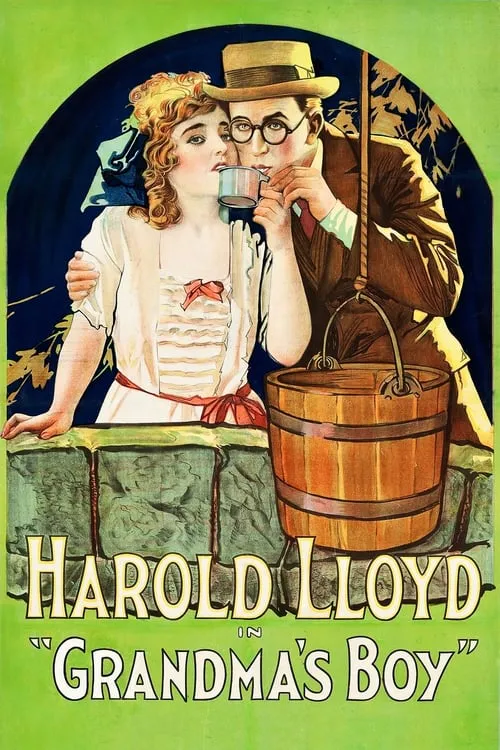
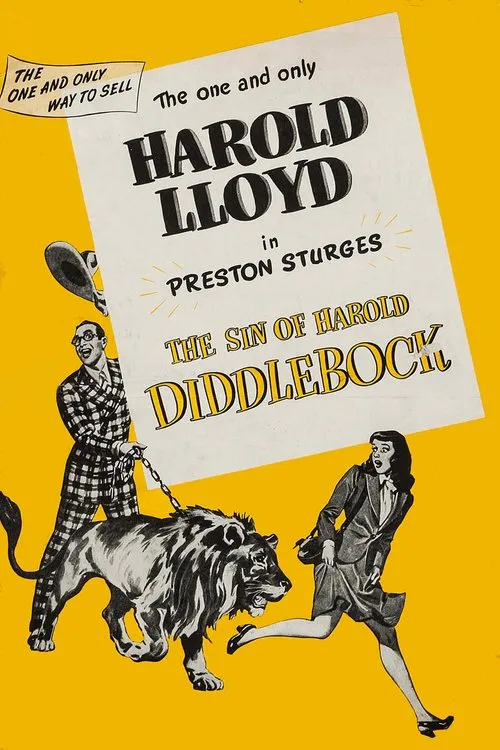
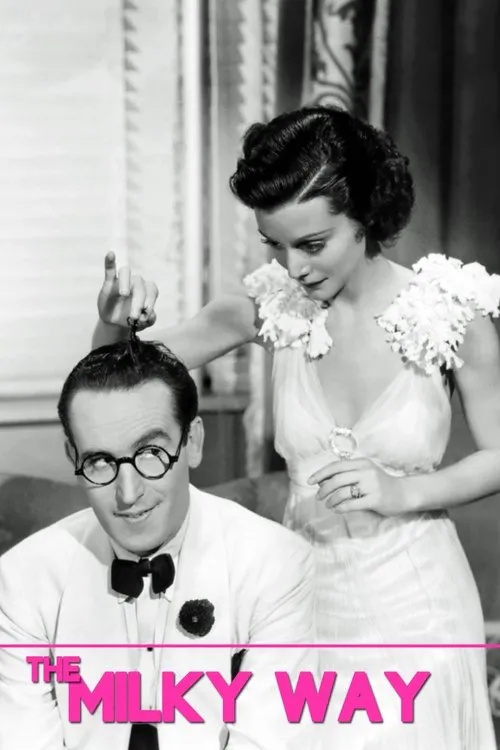
Never credited as a writer through his entire career, Lloyd was the driving force behind most of his movies, from Grandma’s Boy through the silent era. He came up with most of the stories and gags and structured them with his team.
-
09
Lloyd was superstitious. His daily routines were dictated by his superstitions: he maintained that certain streets were unlucky and his chauffeurs were instructed to avoid them. He would enter and exit rooms from the same doors and dress and undress in precise reverse order.
-
10
His hobbies included 3-D photography. He took hundreds of stereo images of Hollywood stars such as Marilyn Monroe, John Wayne, Sterling Holloway, Richard Burton and Roy Rogers. Many of these photos are reproduced in the book 3-D Hollywood: Photography by Harold Lloyd, which was edited by his granddaughter, Suzanne Lloyd Hayes, and comes with a 3-D viewer.
-
11
Following his death, the Harold Lloyd Estate, also known as Greenacres, in Los Angeles became a popular filming location for Hollywood, appearing in features such as The Godfather 1972, Westworld 1973, Beverly Hills Cop 1984 and Commando 1985. One of Lloyd’s superstitions was that it was unlucky to travel around the ornamental fountain at the front of the house, and he only ever did so once, in his hearse on the way to his funeral. In all four films, characters travel around the same fountain only to suffer a violent death afterwards.
-
12
After his acting career ended in 1938, Lloyd immersed himself in hobbies. He bred Great Danes and collected cars earlier in life, and later indulged in marathon movie nights several times each week, became interested in photography which allowed intimate contact with innumerable models, and invested in hi-fidelity sound systems. He placed standing orders for the entire catalogs of several record companies, amassing an enormous record collection.
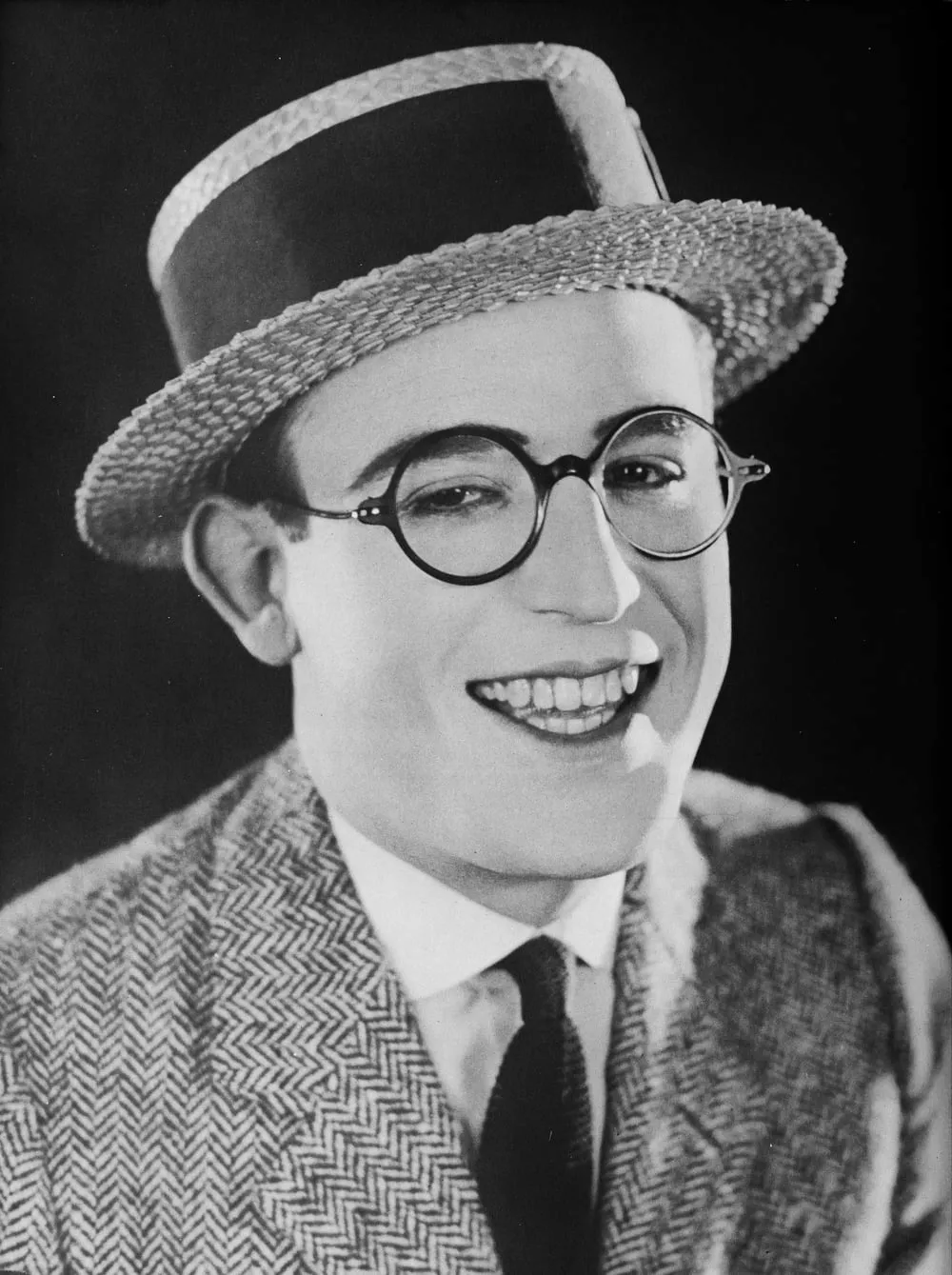
-
13
His actual autographs before 1936 are rare. His father, J. Darcie Foxy Lloyd, was given the job as the official fan mail correspondent within the Harold Lloyd Corporation. Foxy’s signature is easy to recognize, right out of the 19th century and florid. HL’s signature is plainer and common. His father retired to Palm Springs in 1936. HL found it impossible to dodge autograph seekers when he began whirlwind movie and bowling nights around Los Angeles as his acting career wound down. Real pre-1936 autographs exist mainly on contracts and personal correspondence to Bebe Daniels.
-
14
Unlike many silent era stars, Lloyd had financial acumen. Despite expensive hobbies and the end of his film career after talkies, he left an estate of $12 million upon his death in 1971.
-
15
After failing in talkie pictures, Lloyd reacted philosophically. He felt he had achieved everything he could in comedy and had no regrets.
-
16
Before moving into his famous home Greenacres in 1928, Lloyd and his wife resided at 502 South Irving Boulevard in Los Angeles, just south of Hollywood. The house still exists. Before that, up until shortly after his marriage in 1923, Lloyd resided in a large two-story house on Hoover Street.
-
17
Harold Lloyd was in danger of becoming a name from the past in the years following his death. Then, beginning with a new biography about him, his legacy began to blossom until he has now become almost as recognized as Charles Chaplin and Buster Keaton.
-
18
According to the book The History of Pulitzer Prize Winning Plays, Lloyd was originally slated to play the lead role of Elwood P. Dowd in Mary Chase’s Broadway stage play Harvey. Lloyd turned down the role, which then went to Frank Fay.
-
19
He was immortalized in the animated sitcom Futurama in the episode That’s Lobstertainment. In this episode, Dr. Zoidberg has an uncle who was a silent actor, Harold Zoid.
-
20
He was awarded a Star on the Hollywood Walk of Fame at 1503 Vine Street in Hollywood, California on February 8, 1960.
-
21
Merian Cooper rented several of Lloyd’s purebred Great Danes for the hunt sequence of The Most Dangerous Game when he realized the leopards called for in the script weren’t practical, even for him. He dyed the dogs’ hair black to make them look more ferocious.
-
22
His granddaughter donated 85 scrapbooks and 3,000 still negatives documenting his career over 34 years to the Academy of Motion Pictures Arts and Sciences for Motion Picture Study in Beverly Hills, California.
-
23
Aside from two talking films, The Milky Way 1936 and The Sin of Harold Diddlebock 1947, all films from 1922 through Grandma’s Boy 1922 were owned by Lloyd. Many of the pre-1920 shorts were lost in a nitrate explosion in his film vault in 1943 and are now considered lost. A limited number of film rights were sold to Time-Life in 1998 and released on VHS. The estate rejected offers to release them to DVD until 2005, when they accepted an offer from New Line, and some have been restored and shown periodically on TCM. His films were set to be released on DVD in 2006-2007. The two talking films are in the public domain, and all films before 1922 are owned by KINO, having passed from Pathe and Roach.
-
24
On the rare occasions he allowed his work to be shown publicly, Harold Lloyd enjoyed the company and opinions of younger people as they discussed his films in his presence. During the height of his popularity, he tended to avoid autograph seekers at any cost when he wasn’t working.
-
25
As someone who held complete copyright over his movies, Harold Lloyd forbade any of his work from being shown on television. As a result, his name remained unknown for many years among future movie fans.
-
26
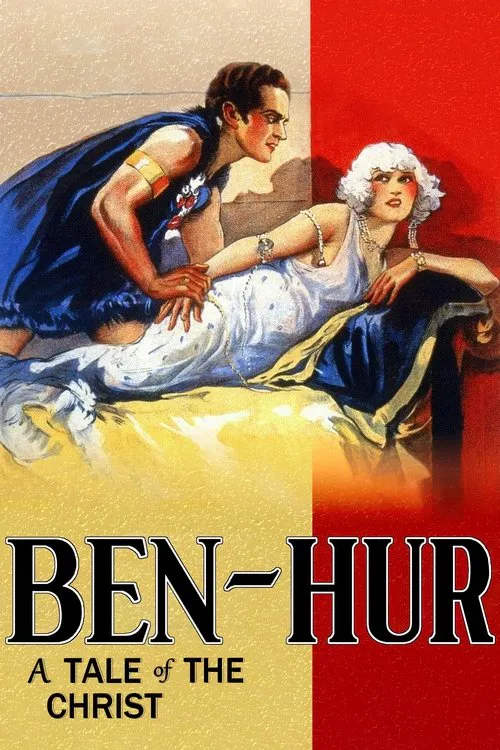
He has appeared in three films that have been selected for the National Film Registry by the Library of Congress as being culturally, historically or aesthetically significant: Safety Last! 1923, The Freshman 1925 and Ben-Hur: A Tale of the Christ 1925.
-
27
Before developing as a film comedian, Harold Lloyd did act in many dramatic roles during the early part of his career. Unfortunately, little footage exists in the archive.
-
28
Like many comedians, Harold Lloyd regarded creating comedy as a frustrating experience. There were several occasions where he and his gag writers would spend many hours at a time without much success in trying to come up with some inspiration.
-
29
Photography enthusiast Roddy McDowall was invited by Harold Lloyd to his home, so that McDowall could take some photographs of the grounds.
-
30
Pictured on one of ten 29 cent US commemorative postage stamps celebrating stars of the silent screen, issued 27 April 1994. Designed by caricaturist Al Hirschfeld, this set of stamps also honored Rudolph Valentino, Clara Bow, Charles Chaplin, Lon Chaney, John Gilbert, Zasu Pitts, Theda Bara, Buster Keaton, and Keystone Cops.
-
31
Lloyd met future film producer Hal Roach in 1913, who would produce some of his early comedies. They began making a living as actors in two-reel movies at Universal Studios during their early teens.
-
32
During the 1920s, Harold Lloyd was one of the highest earners in Hollywood. Under his contract with Paramount Studios, he was making approximately $1.2 million a year.
-
33
Harold Lloyd not only got the girl, Mildred Davis, in the film but also in real life as they were married a while later. They are also mentioned twice in Drake Bell’s song End It Good from his album It’s Only Time 2006.
-
34
Lloyd was head of the jury at the 1960 Berlin International Film Festival.
-
35
On August 7, 2018, he was honored with a day of his film work during the TCM Summer Under The Stars.
-
36
Lloyd began to develop his iconic character in late 1917. With his pair of glasses and ordinary demeanor, Lloyd’s on-screen persona became that of a tenacious and courageous individual.
-
37
Following his death, he was interred at Forest Lawn Memorial Park in Glendale, California, in the Great Mausoleum, Begonia Corridor.
-
38
Sam Taylor was the most important director for him.
-
39
He was known for being a driven, determined and competitive individual. This applied to Harold Lloyd in both his professional and personal life. He became a recluse for the last few years of his life.
-
40
At the beginning of his career, Lloyd tried to succeed with a character called Lonesome Luke. Similar to Chaplin’s tramp character, Lloyd experienced little success and the character was soon dropped.
-
41
Lloyd made his stage debut at age 12 in Tess of the d’Urbervilles in Omaha, Nebraska.
-
42
As a youngster, he led an up and down existence because of the continued failure of his father’s businesses from photographer to short order cook. Harold’s variety of jobs ranged from anything to do with a travelling theatre company where he began work at age 12.
-
43
He is believed to have made about 200 films including seven silent features and seven talkies.
-
44
At home, Harold Lloyd exercised a Victorian kind of strictness with most of his children. He grew angry once any infraction was committed.
-
45
Why Harold Lloyd didn’t make the transition to talkie pictures has never been fully explained. The most likely reason was his voice not suiting sound.
-
46
A movie industry Trade Paper item in August 1930 announced that after Feet First, Harold Lloyd’s next talking picture comedy feature for Paramount Studios would be a football comedy. This eventually was never made: his next feature was Movie Crazy in 1932.
-
47
He was the subject of a two-part documentary, Harold Lloyd: The Third Genius. Broadcast in 1989, the documentary had done much to revitalize interest in Lloyd.
-
48
His film career went into decline when he failed to succeed in talkie pictures.
-
49
As a child, Harold Lloyd always felt closer to his father than his mother.
-
50
Great-uncle of Bentley Mitchum, Robert Mitchum’s grandson.