-
01
Wilder did not begin writing until she turned 44 years old.
-
02
Caroline Ingalls, Wilder’s mother, was born December 12, 1839, and Charles Ingalls, her father, was born in 1836; they married on February 1, 1860.
-
03
Her paternal great-grandmother shared common ancestry with Franklin Delano Roosevelt, 32nd President of the United States.
-
04
Wilder had one brother named Charles Frederick Ingalls, born November 1, 1875 in Walnut Grove, Minnesota, who died August 27, 1876 south of Troy, Minnesota.
-
05
She was the mother of Rose Wilder Lane.
-
06
Wilder helped found the Laura Ingalls Wilder library in Mansfield, Missouri.
-
07
She was inducted into the Hall of Famous Missourians in 1993.
-
08
Her infant son, who was unnamed, died on August 10, 1889, only a few days old.
-
09
Wilder had Scottish ancestry.
-
10
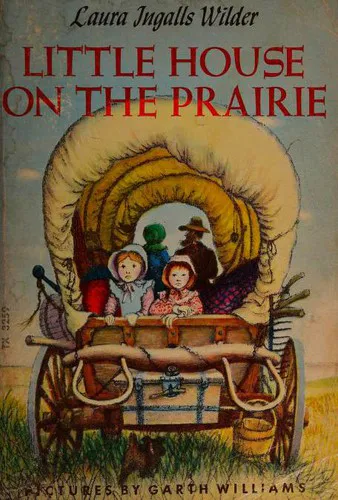
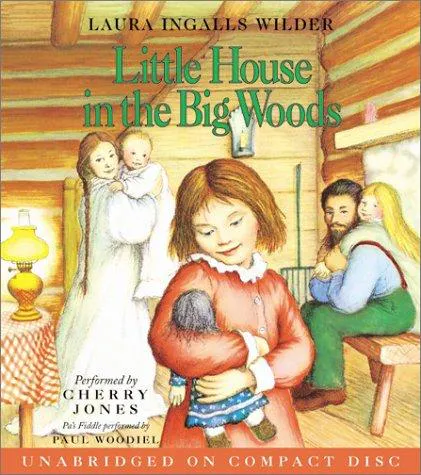
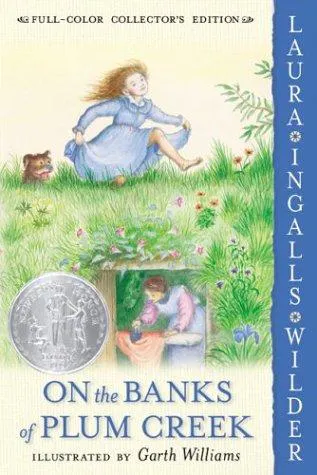
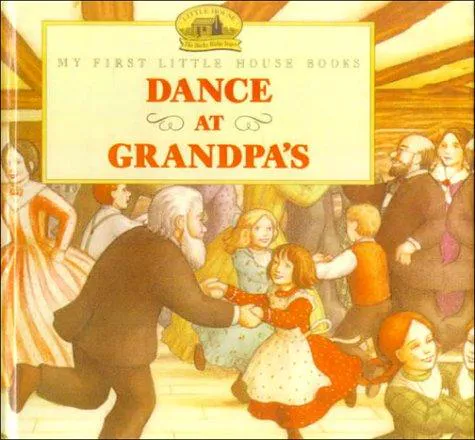
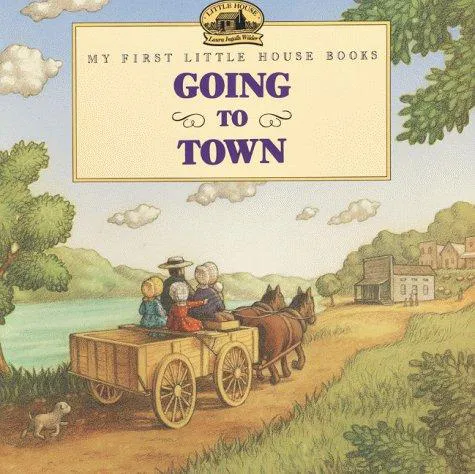
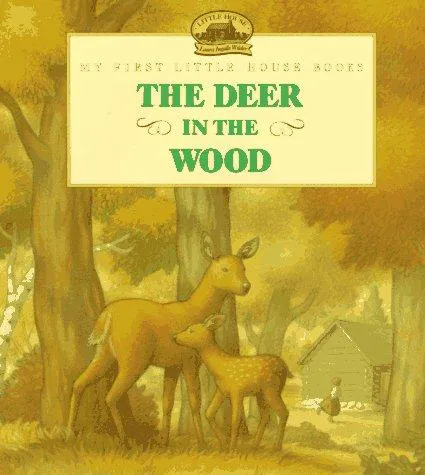
The Little House books, although from Laura Ingalls Wilder’s point of view, were all written in the third person.
-
11
Her sister Mary Amelia Ingalls was born January 10, 1865; sister Caroline Carrie Ingalls was born August 1870; sister Grace Pearl Ingalls was born May 23, 1877.
-
12
Mary Amelia Ingalls died in 1928, Carrie Ingalls died June 1946, and Grace Pearl Ingalls died in 1941.
-
13
Wilder was descended from Mary Draper Ingles, whose story was told in the book and film Follow the River.