France Who is Paul Gauguin?
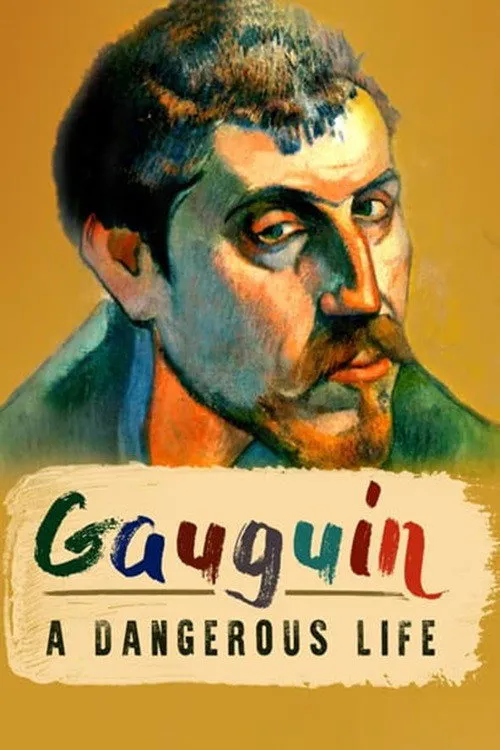
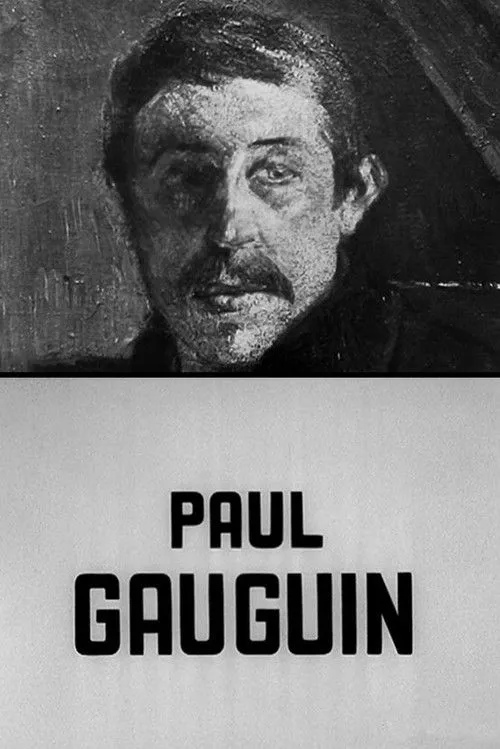
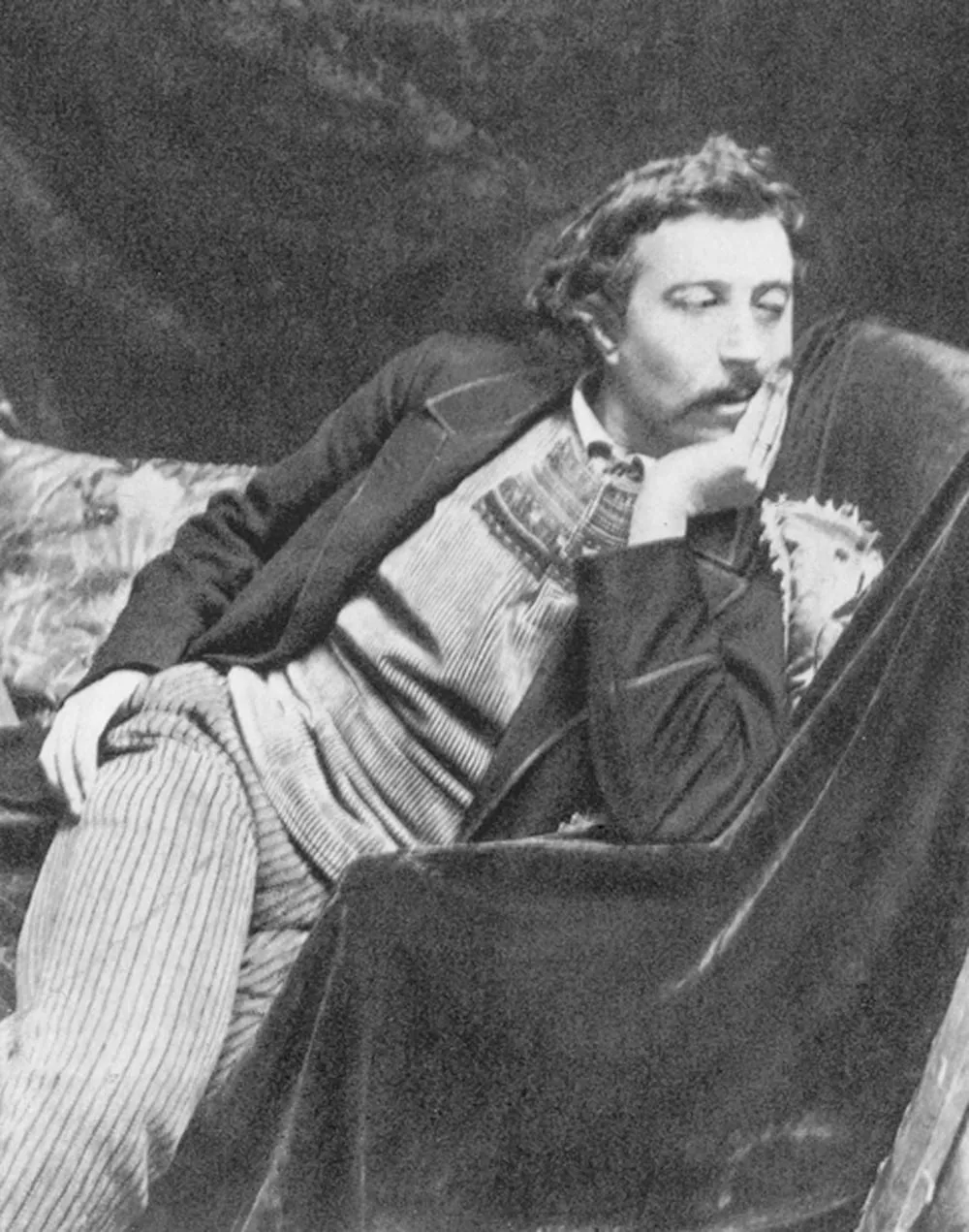
Eugène Henri Paul Gauguin, better known as Paul Gauguin (June 7, 1848 – May 9, 1903), was a post-impressionist painter who left an indelible mark on modern art through his daring use of color and exploration of Tahitian culture. Born in Paris to a French father and Peruvian mother, Gauguin’s childhood was marked by family relocation to Peru and later back to France.
His formative years included a move to Copenhagen where he lived with his maternal grandparents until the age of 17 when his parents returned from their travels. Following military service in Paris during the Franco-Prussian War, Gauguin embarked on a career as a stockbroker before devoting himself fully to painting after a brief financial setback.
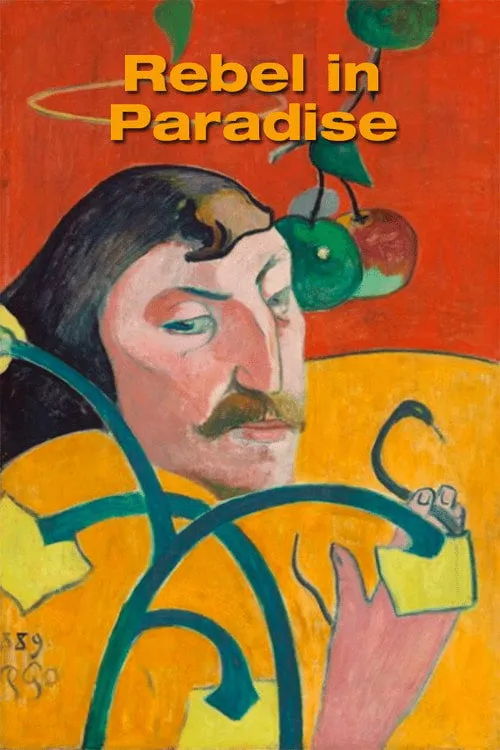
Gauguin’s artistic journey began modestly, initially inspired by impressionist artists like Camille Pissarro and Édouard Manet. He quickly developed his own style characterized by vibrant colors and an emphasis on symbolism and primitivism. This led him to Tahiti in the late 1890s where he sought a more authentic way of life, deeply influenced by Polynesian culture which became central to his work.
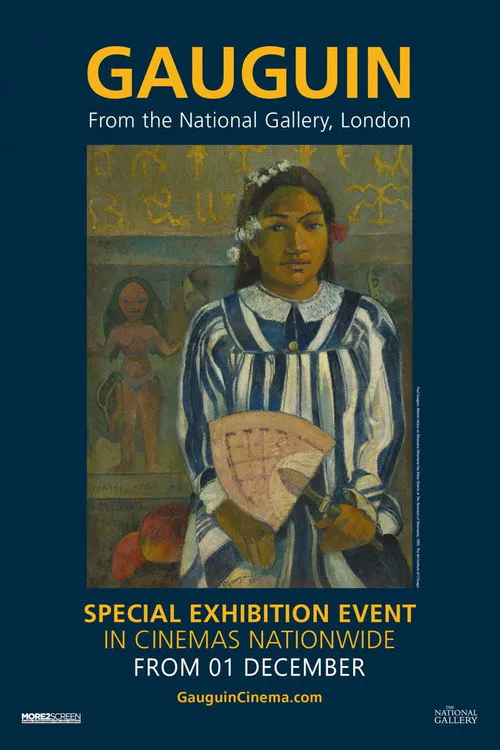
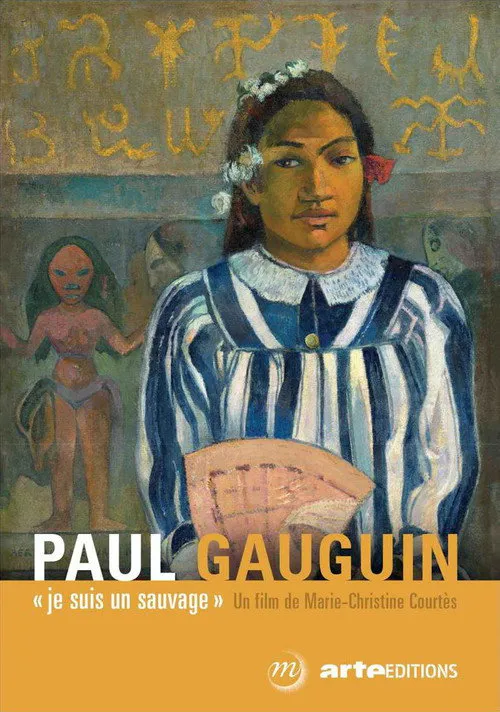
His personal life was as complex as his art. He married Mette Sophie Gad in 1873 and had five children with her before their separation. In Tahiti, Gauguin formed a relationship with Teha’amana, who later became the subject of many of his paintings. Despite facing criticism for his unconventional lifestyle, he continued to paint prolifically until his death from syphilis.
Paul Gauguin’s legacy is multifaceted and profound. He challenged traditional art conventions through his innovative approach and thematic explorations. His work inspired future generations of artists and remains a cornerstone in the development of modernism.