-
01
According to a test she took in 1944, Sylvia Plath had a genius-level IQ of 166.
-
02
Nicholas Hughes, son of Sylvia Plath and Ted Hughes, died by hanging at his home in Alaska on March 16, 2009, at age 47.
-
03
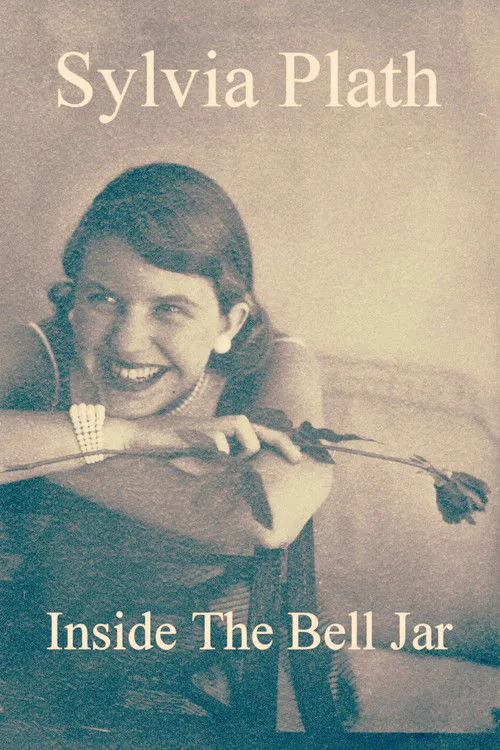
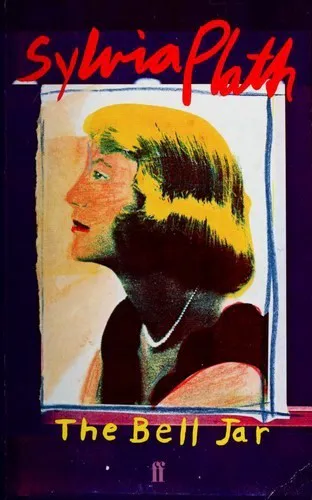
Sylvia Plath published The Bell Jar under the pseudonym Victoria Lucas in England in 1963, because its autobiographical content was so frank. The novel was not published in the United States until 1971.
-
04
Nicholas Hughes studied zoology at Oxford and became a marine biologist based in Canada. Frieda Hughes is a painter and poet, and married Hungarian-born painter Laszlo Lukacs.
-
05
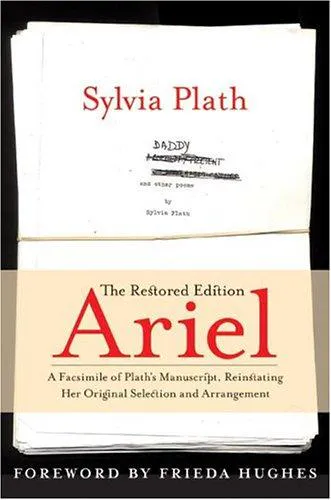
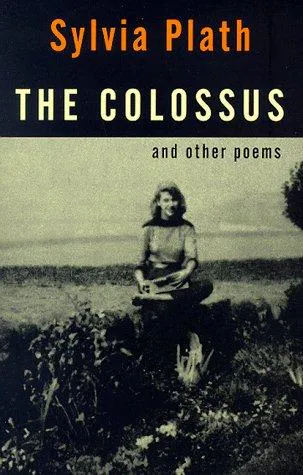
One of the major female poets of the 20th century, Plath’s works The Colossus, Ariel, and The Bell Jar are largely autobiographical, exploring her depression and mental illness.
-
06
Two of Plath’s poems, The Arrival of the Bee Box and Medallion, are studied at GCSE level in Britain, reflecting her recurring themes of power.
-
07
Plath’s first published work was a short story titled And Summer Will Not Come Again, written while she was in high school.
-
08
Her first nationally published piece was the poem Bitter Strawberries in the Christian Science Monitor.
-
09
Aurelia Plath was the mother of Sylvia Plath.
-
10
Plath was referenced in the music video for Alt-J’s song Deadcrush.
-
11
In 2012, Plath was featured on a U.S. postage stamp as part of the 20th Century Poets series, along with nine other poets including Elizabeth Bishop and E.E. Cummings. The stamp was issued on April 21 and had a face value of 45 cents.
-
12
In a Paris Review interview, writer James Dickey disparaged Plath by saying, Suicide attempts and then writing poetry about your suicide attempts is just pure bullshit.