 United Kingdom
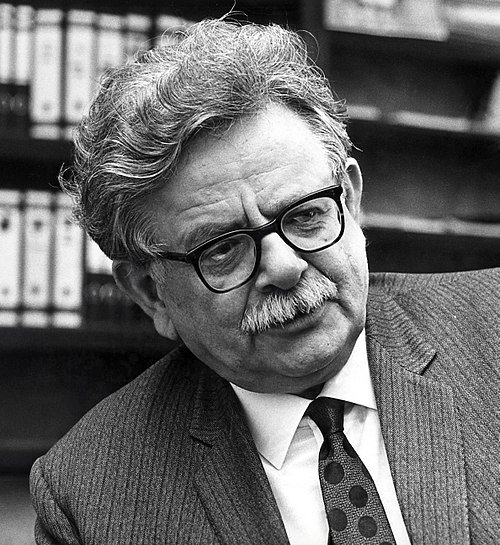
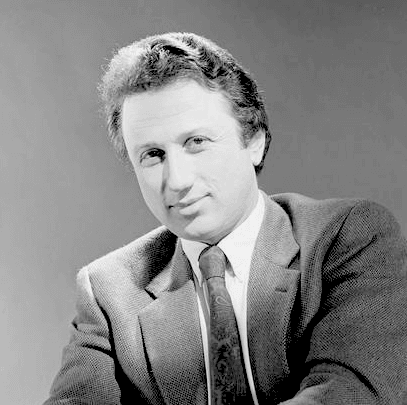
 Who is Elias Canetti?
Elias Canetti (Elías Canetti), an intellectual giant of the twentieth century, was born on July 25, 1905. His life’s work as both a writer and chemist made him one of the most influential thinkers of his time.
Canetti was born in Ruse, Bulgaria, to a Sephardic Jewish family that had settled there from their origins in Spain. The young Canetti lived an itinerant childhood, moving frequently between Europe’s major cities as his father pursued business opportunities. This nomadic upbringing exposed him to diverse cultures and languages, which deeply influenced his later works.
After completing high school in Zurich, Switzerland, Canetti studied chemistry at the University of Vienna from 1924 to 1928. However, he soon turned his attention fully to literature, becoming a prolific writer known for exploring themes such as mass psychology and crowd behavior in works like ‘Crowds and Power’ (1960).
Canetti’s writing career flourished in the mid-twentieth century when he gained critical acclaim with novels such as Auto-da-Fé, published in 1935, which was nominated for the Nobel Prize in Literature. His seminal work on crowd psychology, ‘Crowds and Power,’ published in 1960, further cemented his reputation as a leading social theorist.
In his personal life, Canetti married Veza Canetti in 1925; she was an important intellectual partner who died tragically of cancer in 1963. After her death, he married Hera Buschor and had a daughter named Johanna with her. Additionally, Canetti maintained significant relationships with Marie-Louise Von Motesiczky and Anna Sebastian.
Canetti passed away on August 14, 1994, in Zurich, leaving behind a rich legacy of literary and theoretical work that continues to influence contemporary discourse on power dynamics and social behavior. His contributions to literature and sociology have earned him recognition as one of the most insightful commentators on human society.
Common Questions
What is Elias Canetti's birthplace?
Elias Canetti was born in Ruse, Bulgaria, to a Sephardic Jewish family.
When did Elias Canetti study chemistry at the University of Vienna?
Canetti studied chemistry at the University of Vienna from 1924 to 1928.
What are some of Elias Canetti's most famous works?
Auto-da-Fé, published in 1935, and Crowds and Power, published in 1960, are among his most renowned works.
Who were some significant people in Elias Canetti's personal life?
Veza Canetti (wife), Marie-Louise Von Motesiczky, Anna Sebastian, and Hera Buschor were all important figures in Canetti's life.
What was the significance of 'Crowds and Power'?
'Crowds and Power,' published in 1960, is a seminal work on crowd psychology that has had a lasting impact on sociology and literature.