 United Kingdom
 Who is Neville Chamberlain?
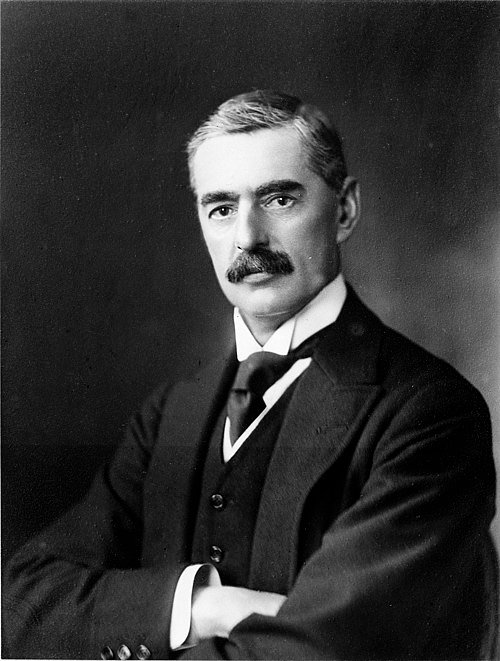
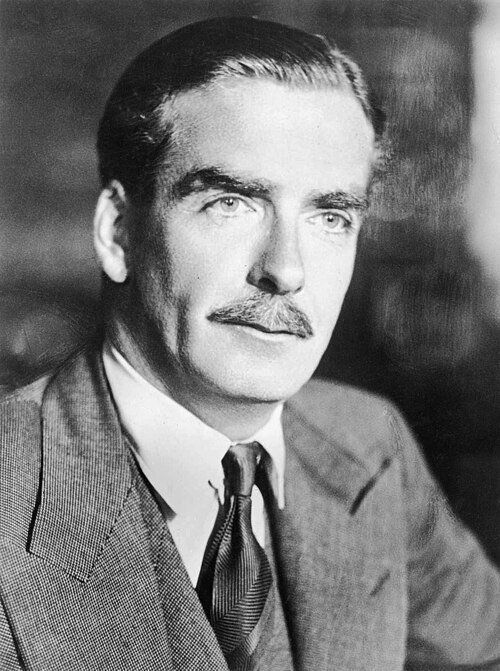
Arthur Neville Chamberlain (March 18, 1869 – November 9, 1940) stands out in the annals of British political history for his controversial policies and leadership during a critical period of the Second World War. Born into an influential family, Chamberlain’s early life was marked by exposure to politics through his father Joseph Chamberlain, who himself was a prominent figure.
Chamberlain attended Rugby School before studying at Mason Science College in Birmingham (now part of the University of Birmingham) and later at the University of London. His formative years were spent amidst political discourse and social reform, which influenced his future career path.
As a rising figure within the Conservative Party, Chamberlain held various local government positions before entering national politics. He served as Chancellor of the Exchequer from 1931 to 1937 and became Prime Minister in 1937. His tenure was marked by his pursuit of peace through appeasement policies towards Nazi Germany, most notably seen at the Munich Agreement of 1938.
Chamberlain’s personal life included a marriage to Anne Vere Chamberlain, with whom he had two children: Dorothy and Francis. The family background provided him with a strong political network that supported his career progression.
Neville Chamberlain passed away on November 9, 1940, after a battle with colorectal cancer. His legacy remains controversial due to the criticism surrounding his appeasement policies towards Germany in the lead-up to World War II. Despite this, he is remembered for his attempts to prevent war and maintain peace during one of history’s darkest periods.
Common Questions
What were Neville Chamberlain's early political influences?
Neville Chamberlain was heavily influenced by his father Joseph Chamberlain, who was a prominent British politician. This family connection provided him with an early exposure to politics and social reform.
When did Neville Chamberlain become Prime Minister of the United Kingdom?
Neville Chamberlain became Prime Minister on May 28, 1937, and held this position until his resignation on May 10, 1940.
What were some significant achievements during Neville Chamberlain's tenure as Chancellor of the Exchequer?
During his time as Chancellor from 1931 to 1937, Chamberlain introduced several economic reforms and was instrumental in stabilizing Britain's financial situation following the Great Depression.
Who were some members of Neville Chamberlain's family?
Neville Chamberlain was married to Anne Vere Chamberlain. They had two children: Dorothy and Francis. His siblings included Beatrice, Hilda, Ida, and Ethel Chamberlain.
What legacy does Neville Chamberlain leave behind in the context of World War II?
Chamberlain's legacy is marked by his policy of appeasement towards Nazi Germany, which aimed to maintain peace through concessions. This approach culminated in the Munich Agreement of 1938 but ultimately failed to prevent war.