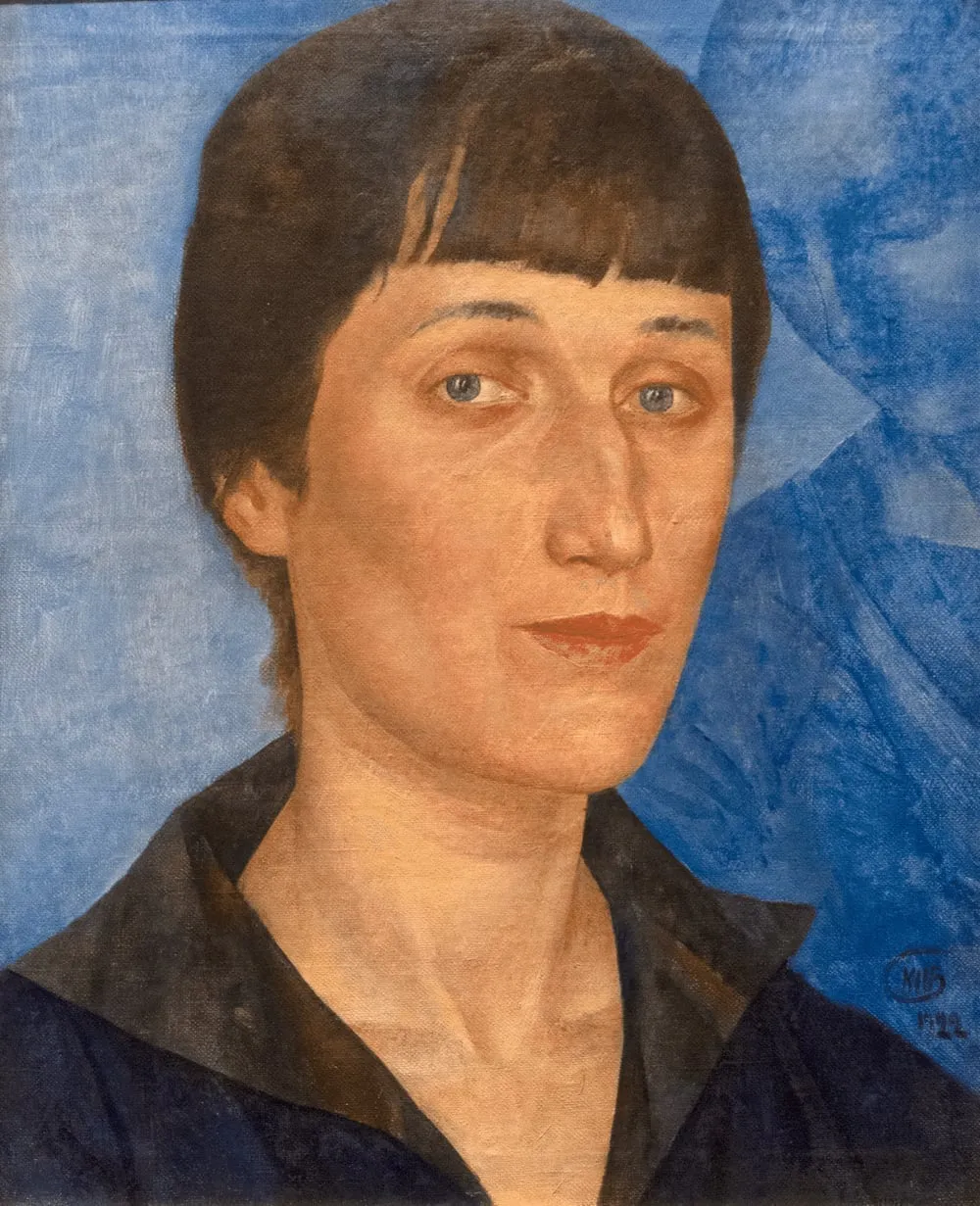
Anna Akhmatova Profile & Biography

Anna Akhmatova

Born: June 11, 1889
Died: March 5, 1966
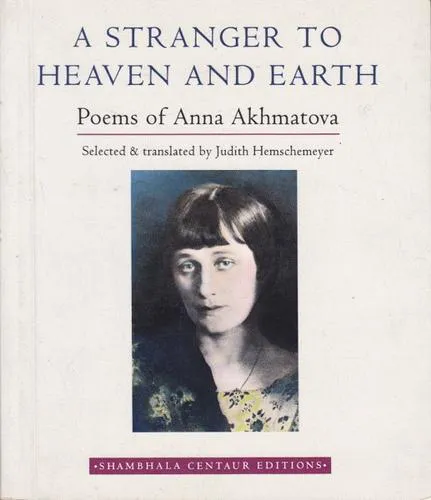
Russian poet Anna Akhmatova, known for her powerful verse and role in the Silver Age of Russian poetry, lived from 1889 to 1966.

Who is Anna Akhmatova?

Anna Andreyevna Gorenko, better known as Anna Akhmatova (June 11, 1889 – March 5, 1966), was a Russian poet and writer whose work remains a cornerstone of modern literature. She is celebrated for her lyrical poetry that resonated with the tumultuous events of early twentieth-century Russia.

Akhmatova was born in Bolshoy Fontan near Odessa to Andrey Gorenko, an engineer from Sevastopol, and Inna Stogova, a noblewoman. Her family’s aristocratic background influenced her upbringing and provided the foundation for her literary pursuits. Despite her parents’ encouragement of her early interest in literature, she was initially discouraged from writing poetry by her father who wanted her to pursue a more traditional path.

Akhmatova’s journey to prominence began with her debut collection Vecher (Evening) published in 1912. This marked the start of what is now known as the ‘Acmeist’ movement, which sought clarity and precision over Symbolism’s abstract nature. She quickly became one of the leading figures of Russian poetry during the Silver Age. Her early work was characterized by intricate wordplay and vivid imagery, often focusing on romantic themes.

In 1910, she married Nikolay Gumilev, a poet and critic who played a significant role in promoting her work. They had one son, Lev Gumilev, a historian known for his controversial theories about Eurasianism. Her relationship with Gumilev ended in divorce in 1928 after he was executed by the Soviet authorities on charges of conspiring against Stalin’s regime.

Akhmatova’s personal life and career were marked by both triumphs and tragedies. She married Vladimir Shileyko in 1935, but this marriage too ended in divorce following his imprisonment during the Great Purge. Her third marriage to Nikolay Punin, a prominent art historian, was tumultuous and included periods of separation.

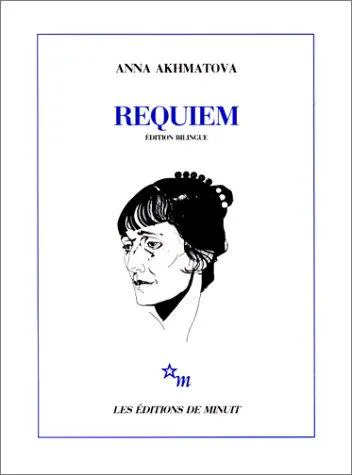
Akhmatova’s legacy is profound. Despite facing censorship and exile under Stalinist rule, she continued to write and produce work that chronicled both her personal struggles and the broader political upheaval in Soviet Russia. Her epic poem Requiem, written between 1935 and 1940 about the Great Purge, is a poignant testament to the suffering of Russians during this period.

Akhmatova’s contributions to literature were widely recognized; she was nominated for the Nobel Prize in Literature multiple times. She died on March 5, 1966, in Moscow from an infarction and was buried at Komarov Cemetery near Leningrad. Her enduring impact is seen in her influence on generations of poets and writers who continue to study and celebrate her work.

Common Questions

What year did Anna Akhmatova publish her first book?
Anna Akhmatova published her debut collection Vecher (Evening) in 1912.
Who were some of the significant people in Anna Akhmatova's life?
Significant individuals in Akhmatova's life included her first husband Nikolay Gumilev, a fellow poet; Vladimir Shileyko, whom she married and divorced twice; and art historian Nikolay Punin.
What was the significance of the Acmeist movement in Anna Akhmatova's career?
The Acmeist movement, which Akhmatova helped to spearhead with her work Vecher, emphasized clarity and precision over the Symbolists' abstract nature, making it a defining period in Russian poetry.
What is Anna Akhmatova's most famous poem?
Requiem, written between 1935 and 1940, stands out as one of her most renowned works. It details the suffering during Stalin's Great Purge.
How did political events in Russia affect Anna Akhmatova's life?
Political turmoil significantly impacted Akhmatova's life; she faced censorship and personal hardship, including the execution of her first husband Nikolay Gumilev on political charges.

People Also Viewed