 United Kingdom
 Who is Benjamin Britten?
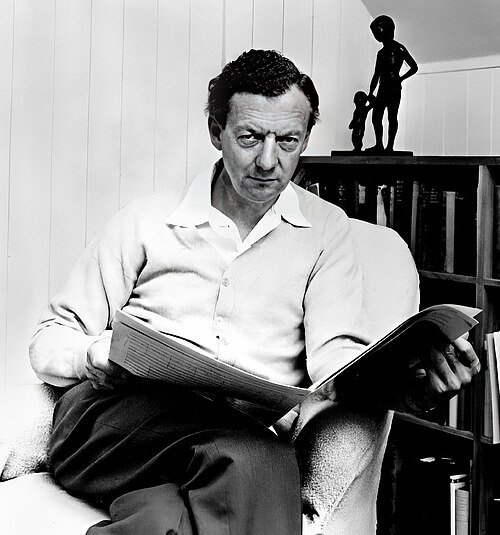
Edward Benjamin Britten, commonly known as Benjamin Britten, stands out not only as a towering figure in 20th-century music but also as a pivotal influence on the resurgence of British musical culture. Born on November 22, 1913, in Lowestoft, Suffolk, Britten was raised in an environment that nurtured his prodigious talent from an early age.
Britten’s father, Robert Victor Britten, worked in insurance while his mother, Edith Rhoda Hockey, encouraged her son’s musical pursuits. By the time he reached adolescence, it became clear that music would be the cornerstone of Britten’s life and career. He enrolled at the Royal College of Music in London in 1930, where his talent was recognized by influential teachers who predicted a bright future for him.
His rise to prominence began with a series of significant works that challenged conventional musical norms. In 1945, Britten’s opera Peter Grimes, set in the Suffolk coastal town where he grew up, premiered at Sadler’s Wells Theatre and established his reputation as one of the leading composers of his generation. Throughout the following decades, he continued to produce groundbreaking works such as the War Requiem (1962), which commemorated the 50th anniversary of World War I.
Britten’s personal life was closely intertwined with his professional accomplishments. He lived in a long-term partnership with tenor Peter Pears, who became not only his muse but also a frequent collaborator on both musical and vocal projects. Their relationship flourished without the formalities of marriage, reflecting Britten’s progressive views on personal freedom.
Benjamin Britten passed away from heart failure on December 4, 1976, leaving behind an indelible legacy that continues to inspire musicians around the world today. His work has had a profound impact not only in the realm of classical music but also in fostering cultural exchange and dialogue between Britain and other nations.
Common Questions
Where was Benjamin Britten born?
Benjamin Britten was born on November 22, 1913, in Lowestoft, Suffolk, England.
What are some of Benjamin Britten's most famous works?
Some of Benjamin Britten's most notable works include the opera 'Peter Grimes' (1945) and the War Requiem (1962).
Did Benjamin Britten attend university for music?
Yes, Britten attended the Royal College of Music in London starting from 1930.
Who was Peter Pears?
Peter Pears was a tenor singer and long-term partner of Benjamin Britten. He collaborated closely with Britten on many musical projects.
How did Benjamin Britten influence English opera?
Britten revitalized English opera through works like 'Peter Grimes', which challenged conventions and brought new life to the genre in the mid-20th century.