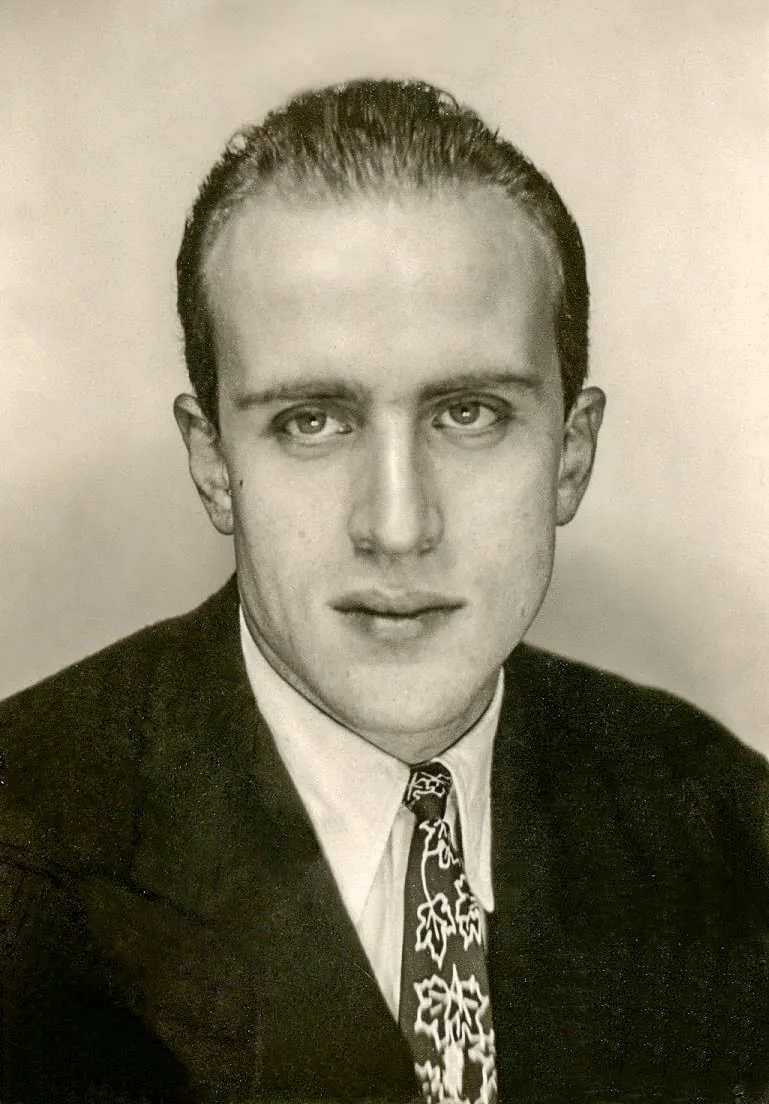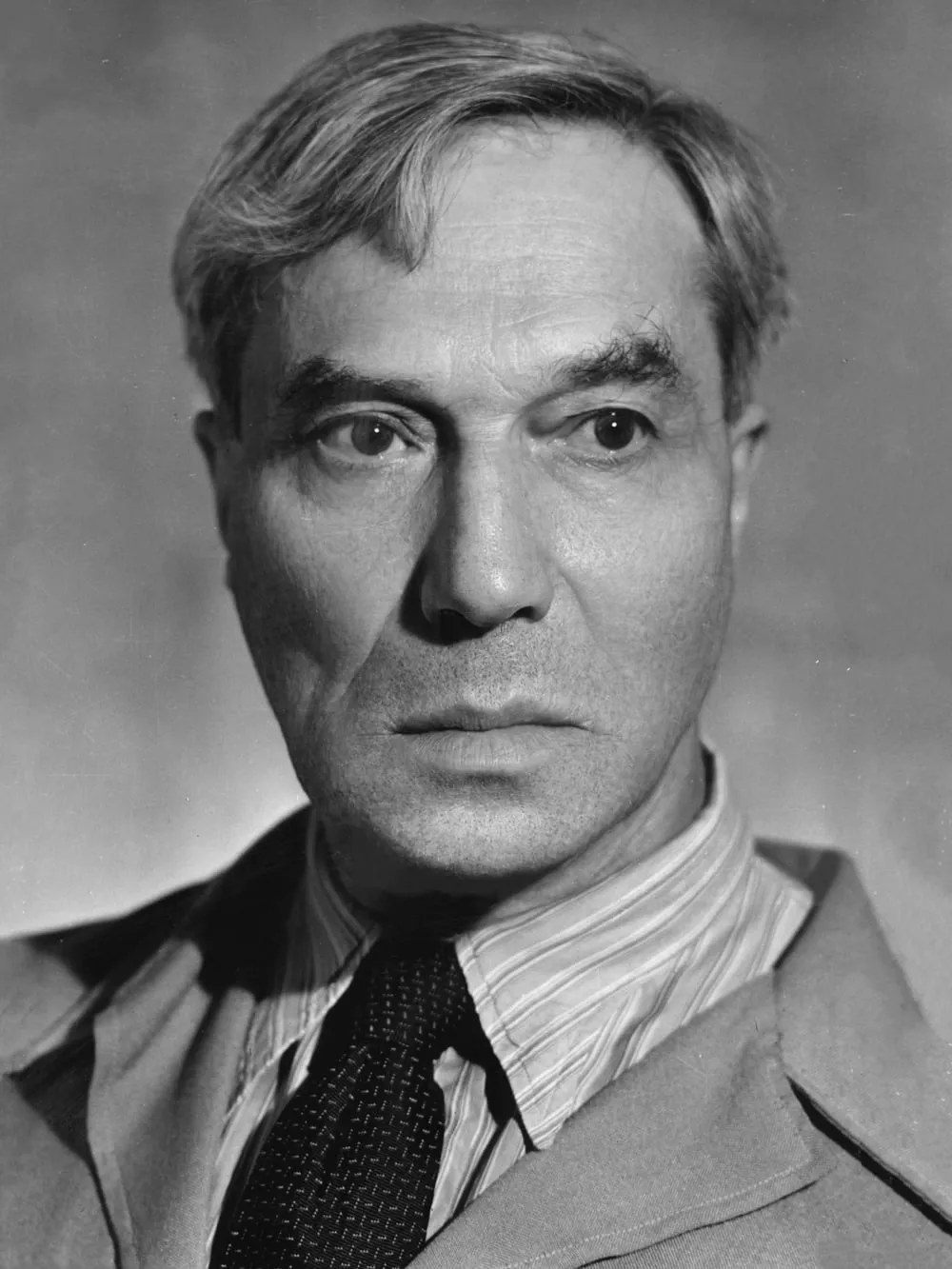
Boris Pasternak Profile & Biography

Boris Pasternak

Born: February 10, 1890
Died: May 30, 1960
Boris Leonidovich Pasternak (1890-1960), a renowned Russian writer and translator, was nominated for the Nobel Prize in Literature.

Who is Boris Pasternak?

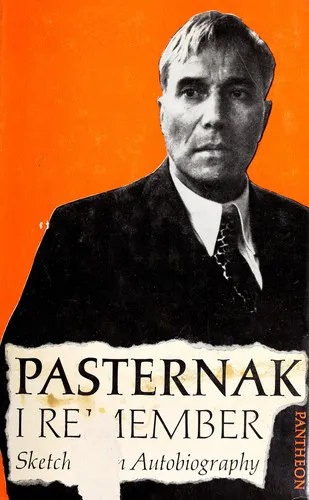
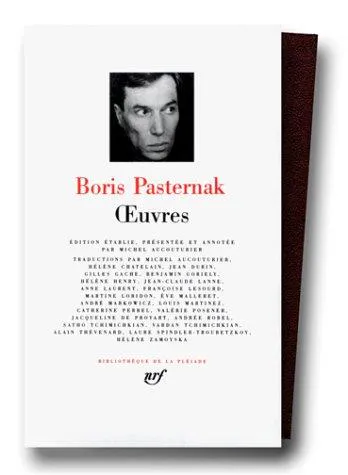
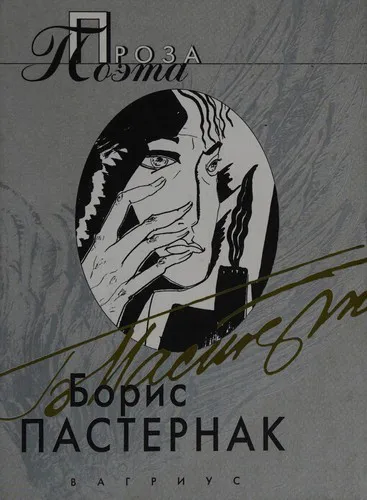
Boris Leonidovich Pasternak, born on February 10, 1890, in Moscow, Russia, is one of literature’s most celebrated figures, known not only for his profound poetry but also for his controversial and influential novel Doctor Zhivago. His life and works are a testament to the complexities of early twentieth-century Russian intellectual and cultural history.

Pasternak was born into an artistic family. His father, Leonid Pasternak, was a prominent painter and professor at the Moscow School of Painting; his mother, Rosa Kaufman, was a concert pianist from Odessa. Boris grew up surrounded by music and art, which greatly influenced his literary style and themes.

Initially studying law at Moscow State University and later moving to Germany where he studied philosophy under Edmund Husserl and Heinrich Wölfflin, Pasternak eventually returned to Russia and dedicated himself to writing poetry. His early work was heavily influenced by Symbolism, but as World War I approached, his style shifted towards more personal and introspective forms of expression.

After the Russian Revolution, Pasternak’s literary career flourished. He translated works from various languages into Russian, contributing significantly to cultural exchange between Russia and other nations during a time of political isolation. His most famous novel, Doctor Zhivago, was published in 1957 and immediately garnered international acclaim despite being banned by the Soviet government due to its perceived anti-communist stance.

Pasternak’s personal life was marked by deep relationships and familial ties. He married Zinaida Nikolajevna in 1926, but his most enduring romantic liaison was with Olga Ivinskaya, who also served as the inspiration for Lara Antipova in Doctor Zhivago. Pasternak had a son named Yevgeny from an earlier relationship.

Boris Pasternak died on May 30, 1960, after a prolonged battle with lung cancer. His legacy continues to inspire readers around the world for his unique poetic voice and his courageous stand against ideological censorship in literature.

Common Questions

What was Boris Pasternak's early education like?
Pasternak initially studied law at Moscow State University but later moved to Germany where he pursued philosophy under Edmund Husserl and Heinrich Wölfflin.
When did Boris Pasternak publish 'Doctor Zhivago'?
Boris Pasternak published Doctor Zhivago in 1957, a novel that quickly gained international acclaim but was banned by the Soviet government due to its anti-communist themes.
Who were Boris Pasternak's parents and siblings?
Boris Leonidovich Pasternak's father, Leonid, was an artist; his mother, Rosa Kaufman, a concert pianist. He had several siblings including Alexander, Josephine, and Lydia.
Did Boris Pasternak have any children?
Yes, Boris Pasternak had a son named Yevgeny from a previous relationship before he married Zinaida Nikolajevna in 1926.
Why was 'Doctor Zhivago' banned by the Soviet Union?
Doctor Zhivago was banned due to its perceived anti-communist stance and criticism of the Bolshevik revolution, themes that were politically sensitive under Stalin's regime.
How did Boris Pasternak contribute to literature besides his own works?
Pasternak contributed significantly by translating numerous literary works from various languages into Russian, fostering cultural exchange during a period when Russia was isolated culturally and politically.

People Also Viewed