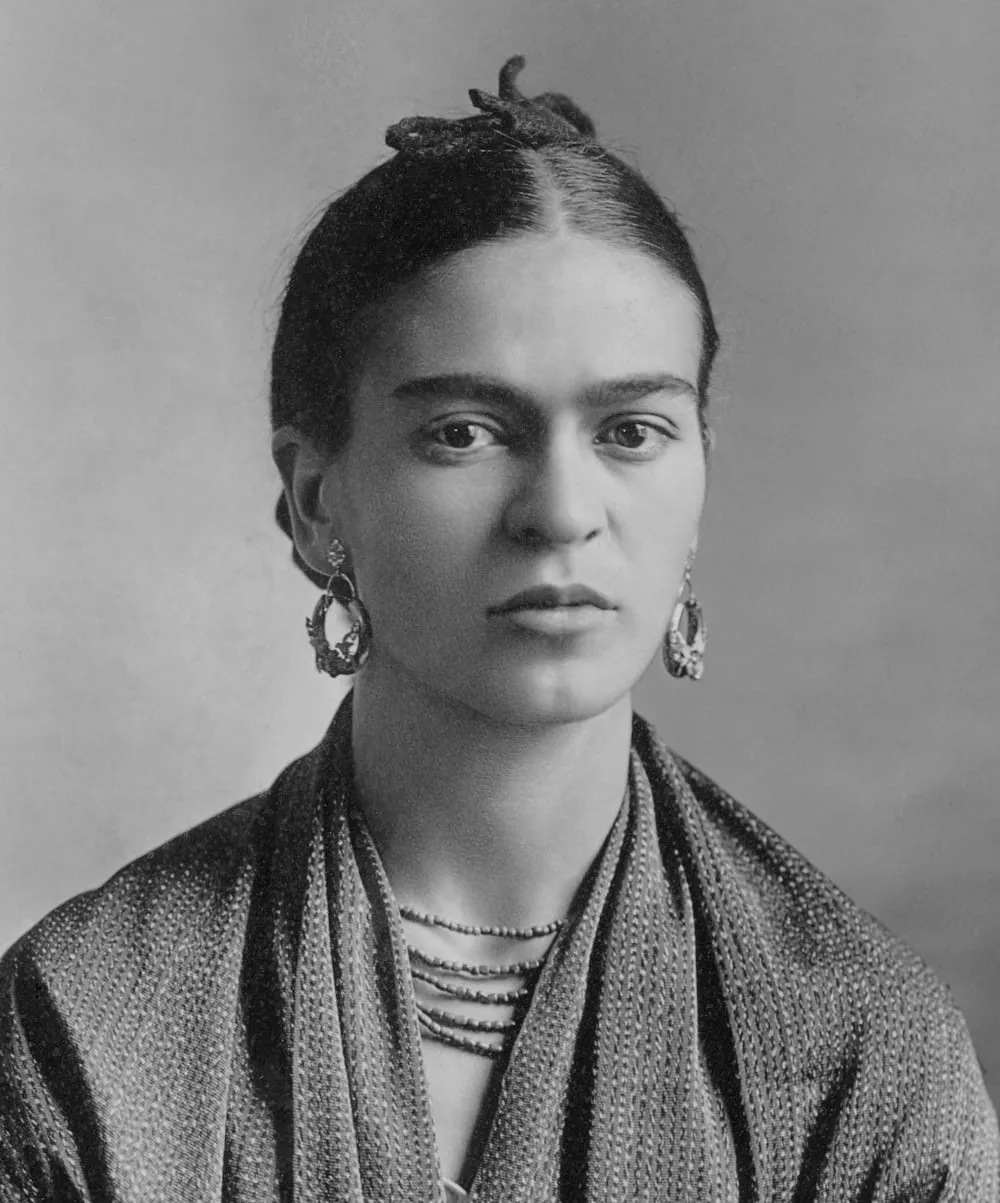
Frida Kahlo Profile & Biography

Frida Kahlo

Born: July 6, 1907
Died: July 13, 1954
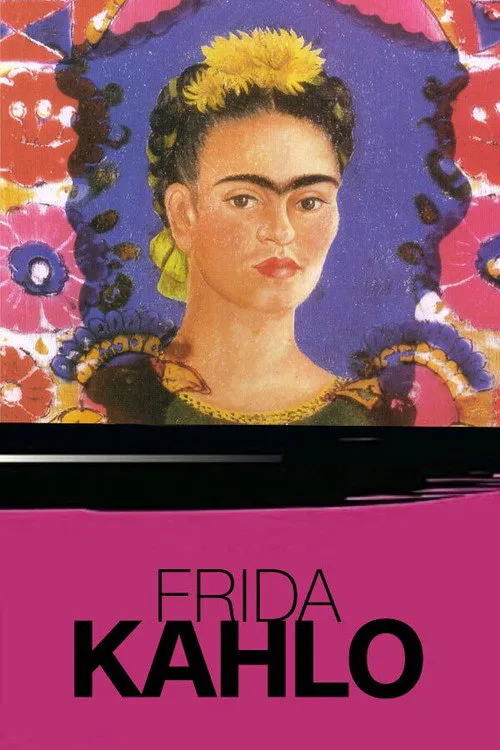
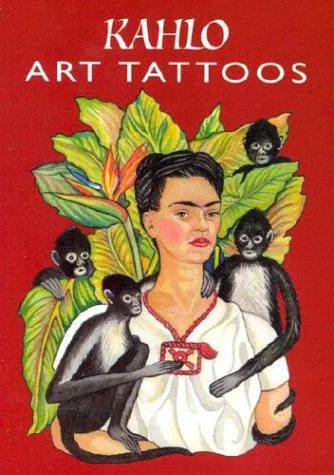
Frida Kahlo, a Mexican painter born in 1907 and died in 1954, is celebrated for her self-portraits and works reflecting pain and passion.

Who is Frida Kahlo?

Frida Kahlo (née Magdalena Frida Carmen Kahlo) was a Mexican painter whose life and work have become iconic symbols of resilience and creativity. Born on July 6, 1907, in Coyocoán, Mexico City, she faced significant challenges from an early age that would shape her artistic vision.

Kahlo’s father, Guillermo Kahlo, was a Hungarian photographer who immigrated to Mexico, where he married Matilde Calderón y González. Frida grew up in the family home, La Casa Azul (The Blue House), which later became a museum dedicated to her life and work. Her childhood included health issues that influenced her artistic direction; an accident at 18 left her with chronic pain that she would channel into her paintings.

Despite the physical limitations imposed by her injuries, Kahlo pursued art after being encouraged by her mother to paint during her recovery from a bus accident. She attended the National Preparatory School in Mexico City and was influenced by the artistic movements of the time, including post-revolutionary Mexican muralism.

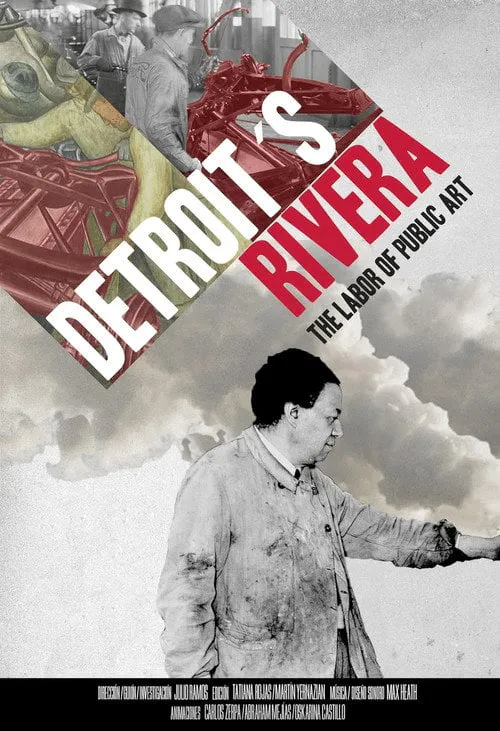
In 1928, she began studying painting under the guidance of David Alfaro Siqueiros and later joined the Communist Party of Mexico. In 1929, Kahlo married fellow artist Diego Rivera, a union marked by both creative collaboration and personal turbulence. The couple’s relationship was complex, with multiple affairs on both sides.

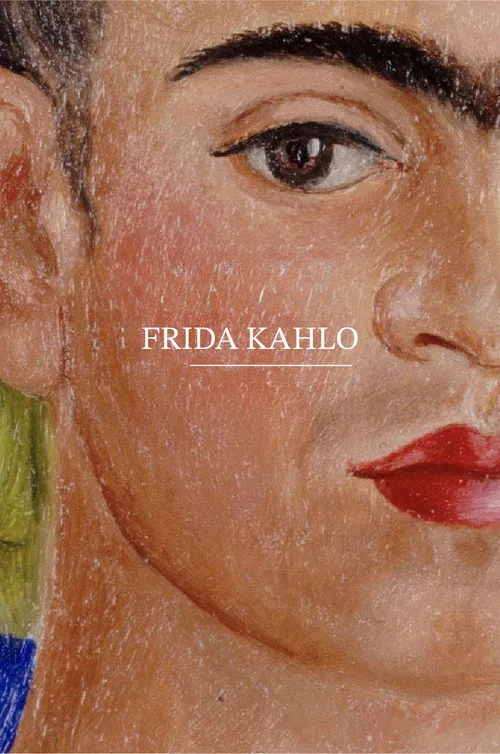
Kahlo gained international recognition for her self-portraits and works that reflected Mexican folk culture and political activism. Her paintings often depicted themes of identity, suffering, and the human condition. Despite enduring numerous health challenges, including a series of operations due to polio and injuries sustained in childhood accidents, she continued to create art with remarkable vigor.

Throughout her career, Kahlo’s work was exhibited in various parts of the world, earning her critical acclaim for her unique style that blended realism with surrealism. Her most famous works include ‘The Two Fridas’ (1939) and ‘Diego on My Mind’ (1943).

Despite her fame and success, Kahlo’s personal life was marked by tragedy. She struggled with health issues throughout her adulthood and underwent numerous operations. In 1950, she had to have her right leg amputated due to complications from gangrene.

Frida Kahlo passed away on July 13, 1954, four days after the death of Leon Trotsky, who was living under her roof in Mexico. Her legacy lives on through the enduring popularity and influence of her art, which continues to inspire artists around the world today.

Common Questions

What was Frida Kahlo's childhood like?
Frida Kahlo grew up in a middle-class family in Mexico City. Her father was a photographer who immigrated from Hungary, and her mother came from a wealthy Mexican family.
How did the bus accident impact Frida Kahlo's life?
The severe injury she sustained in the 1925 bus crash left Kahlo with chronic pain that would affect her for the rest of her life. It also led to numerous surgeries and influenced her decision to become an artist.
What were some notable works by Frida Kahlo?
Some of Kahlo's most famous paintings include 'The Two Fridas' (1939), which depicts two versions of herself, one dressed in traditional Mexican attire and the other in Western clothing, reflecting her complex identity.
Did Frida Kahlo have any children?
Frida Kahlo and Diego Rivera had a daughter, Guadalupe (Lupe) Marivela, but she was born prematurely and died shortly after birth. They never had other children together.
What political party did Frida Kahlo belong to?
Kahlo joined the Mexican Communist Party in 1928 and remained a member throughout her life, participating actively in its activities.
How did Frida Kahlo's health issues affect her career?
Throughout her life, Kahlo faced numerous health challenges that required many surgeries. Despite these difficulties, she continued to paint prolifically, often using her own pain and suffering as inspiration for her artwork.

People Also Viewed